

Key Highlights
- Self-checkout systems are increasingly popular in Australian supermarkets.
- Digital tools are reshaping grocery shopping habits.
- Consumer preferences are shifting towards convenience and personalization.
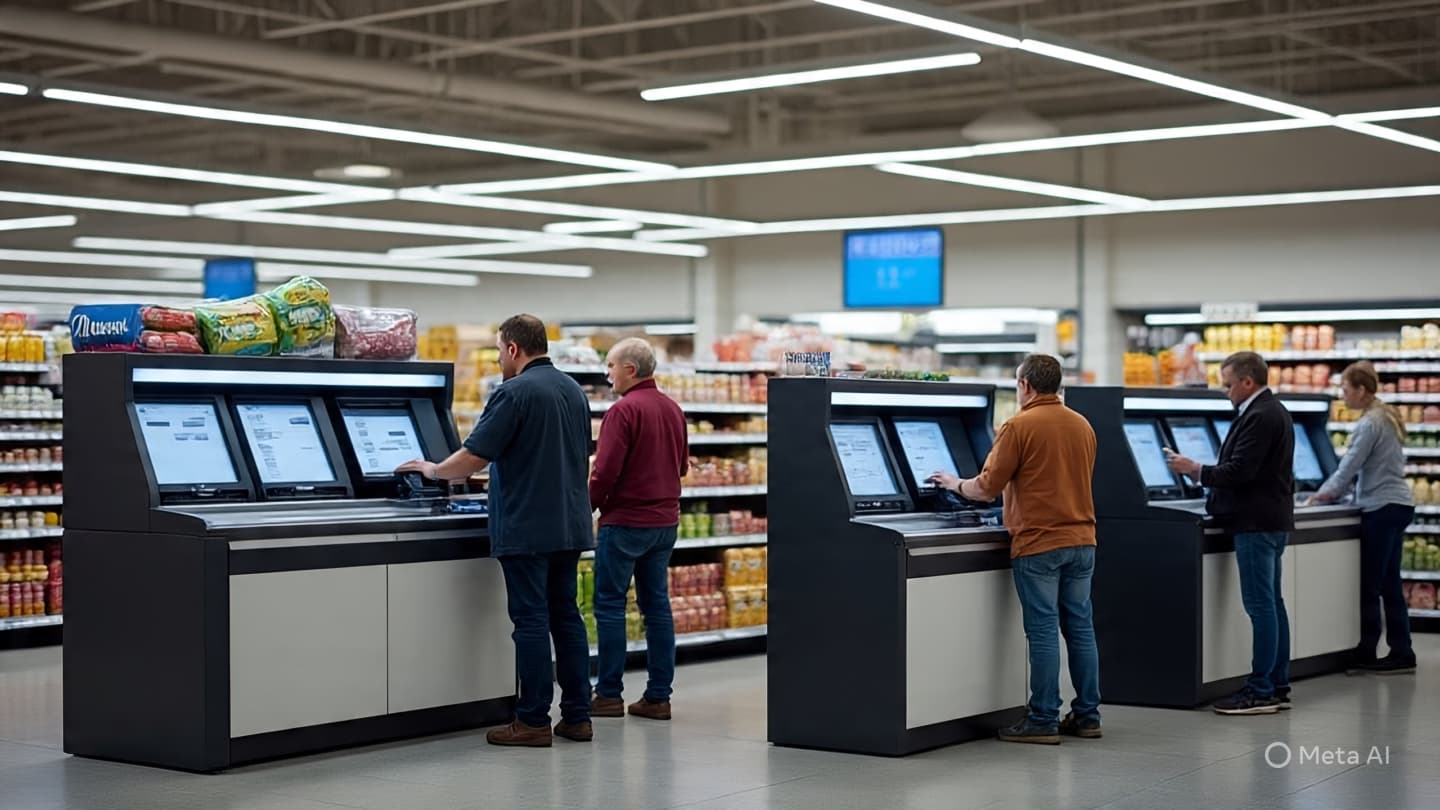
The landscape of grocery shopping in Australia is undergoing a significant transformation, characterized by the rise of self-checkout systems. Once considered a novelty, these automated lanes have become a staple in many supermarkets, reflecting a broader shift in consumer behavior. Retail analysts note that Australian shoppers are increasingly favoring speed and autonomy, allowing them to complete transactions with minimal delay.
This shift towards self-service is not just about convenience; it also aligns with changing labor dynamics and operational efficiency for retailers. As supermarkets adapt to these new realities, they are integrating digital tools such as mobile apps, online ordering, and click-and-collect services into the shopping experience. This evolution has led to a fragmented approach to grocery shopping, where traditional weekly visits are replaced by smaller, more flexible interactions.
Consumer preferences are evolving, with a growing emphasis on convenience and personalization. Loyalty programs, digital receipts, and targeted promotions are becoming integral to the shopping experience, subtly influencing purchasing decisions. However, this shift has not come without its drawbacks. Some shoppers express nostalgia for the human interactions that were once commonplace at checkout counters, highlighting the social fabric that these brief exchanges provided.
Retailers are now faced with the challenge of balancing efficiency with customer experience. Many are experimenting with hybrid models that combine automated systems with staffed assistance, aiming to cater to diverse consumer needs. This ongoing evolution is shaped by technological advancements and public response, as retailers seek to create an environment that meets the demands of modern shoppers.
Economic factors also play a crucial role in shaping shopping habits. With rising cost-of-living pressures, consumers are becoming more deliberate in their purchasing decisions, often comparing prices and seeking value in ways that align with digital convenience. This trend underscores the importance of adapting to the changing landscape of consumer expectations.
As the culture of supermarket shopping continues to evolve, it reflects a gradual adaptation to the rhythms of modern life. The shift towards self-checkout and digital tools signifies not just a change in how transactions are conducted, but also a broader transformation in the way Australians engage with their shopping experiences.
AI Image Disclaimer: Images used in this article are AI-generated representations of retail environments and do not reflect specific real-world locations.
Published by Banx Network. This article is part of the Banx decentralized media programme, powered by the BXE token on the XRP Ledger.




