

Key Highlights
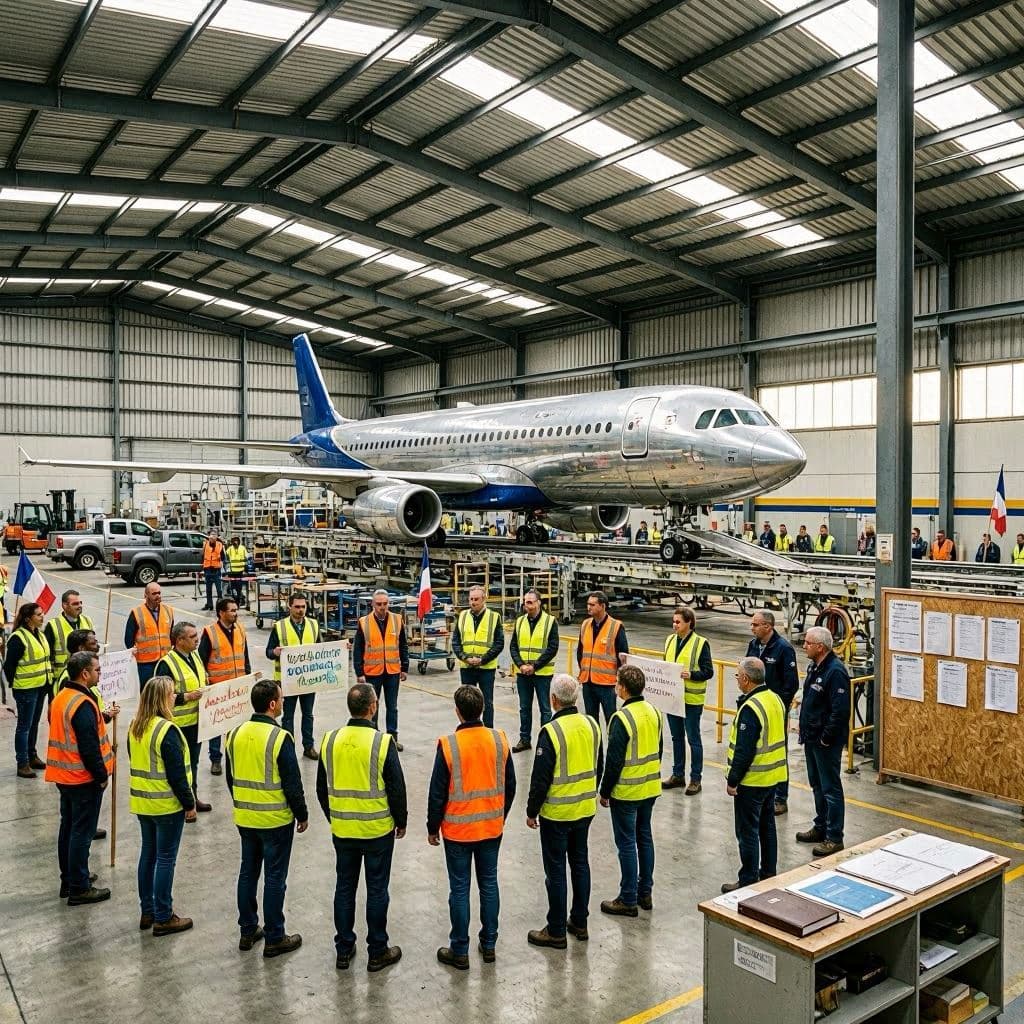
- Labor Strikes:Airbus employees in France have initiated strikes over new attendance policies.
- Employee Demands:Unions advocate for flexibility in work arrangements, citing work-life balance.
- Operational Impact:Strikes have affected some operations, but Airbus has implemented contingency measures.
Airbus, a leading player in the aerospace industry, is currently grappling with labor unrest in France as employees voice their concerns over new workplace policies. The strikes, organized by employee unions, are primarily in response to recent changes that mandate increased office attendance, a shift that many workers feel undermines the flexibility they have come to rely on in their professional lives.
The unions argue that the flexibility introduced during the pandemic has been crucial for maintaining a healthy work-life balance. They contend that any changes to attendance policies should involve thorough consultations with employees and labor organizations to ensure that their voices are heard. This sentiment reflects a growing trend across various industries, where workers are increasingly advocating for their rights and seeking a more balanced approach to work.
In contrast, Airbus management has emphasized the need for in-person collaboration, particularly in roles that require close coordination among engineers and assembly teams. Company officials have stated that while remote work has its benefits, certain functions, especially those related to engineering and project development, necessitate physical presence to maintain operational efficiency and innovation.
The strikes have led to some disruptions at Airbus's French facilities, although the company has implemented contingency measures to mitigate the impact on production. As one of Europe's largest industrial employers, Airbus's ability to navigate these labor challenges is critical not only for its operations but also for the broader aerospace sector, which relies on a highly specialized workforce.
Labor relations in the aviation industry are particularly complex, given the intricate nature of manufacturing processes and the specialized skills required. Industry analysts note that the challenge of balancing employee expectations with operational needs is becoming increasingly prominent, especially as companies adapt to the evolving landscape of work.
This situation at Airbus is part of a larger international dialogue about workplace models, especially in the wake of the rise of remote and hybrid work arrangements. Employers and employees across sectors are engaged in ongoing negotiations about how flexibility in work should evolve in the coming years, with many advocating for a more adaptable approach that accommodates both organizational goals and employee well-being.
French labor laws provide robust protections for collective bargaining and industrial action, underscoring the importance of dialogue between management and unions in resolving workplace disputes. Both Airbus and union representatives have expressed a willingness to continue discussions, indicating that negotiations will play a crucial role in shaping future workplace policies and practices.
As the situation develops, the outcome of these negotiations could set a precedent for how multinational companies address labor relations and employee rights in an increasingly flexible work environment.
Published by Banx Network. This article is part of the Banx decentralized media programme, powered by the BXE token on the XRP Ledger.




