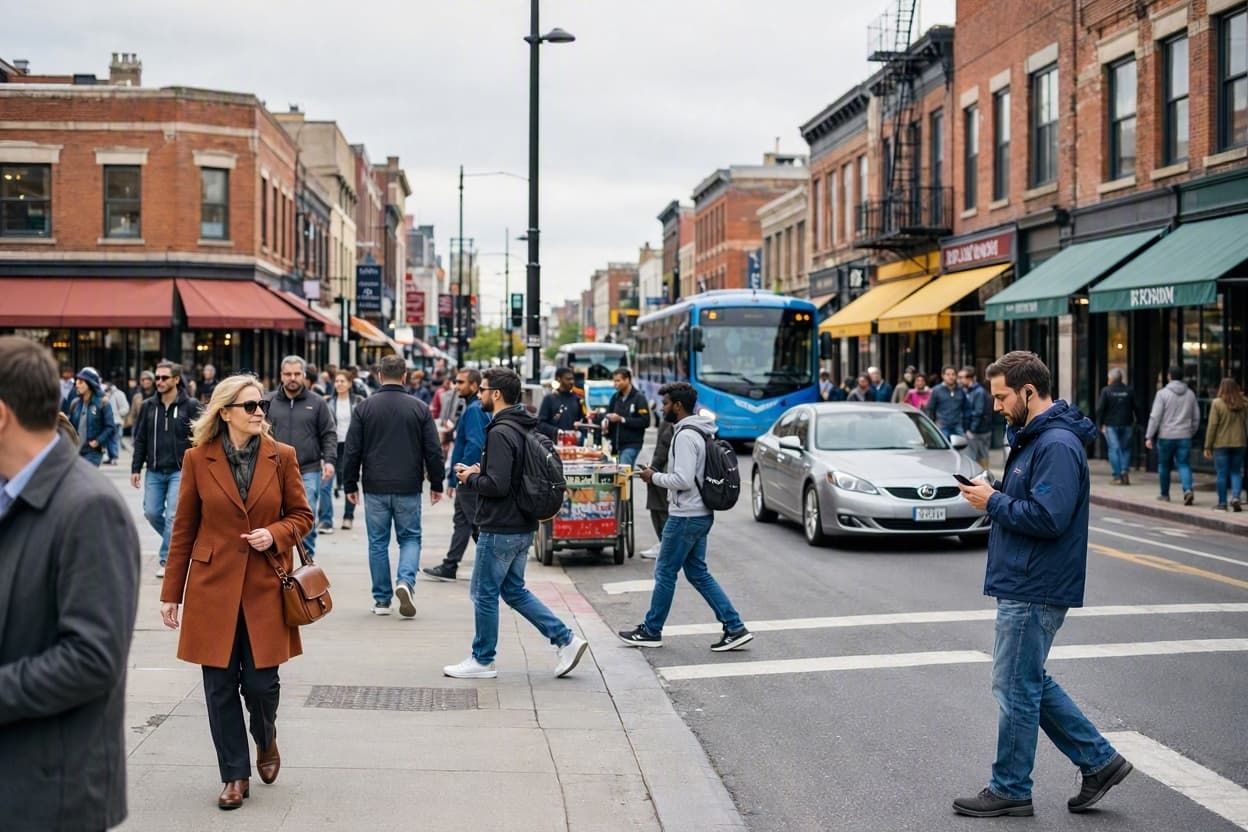
In Britain, turning sixty often arrives without ceremony. It is marked quietly, perhaps with a smaller gathering, a glance backward at years of work, family, and accumulated habit. The body moves a little slower, but the mind carries weight — memory layered upon memory, shaped by decades of continuity and change. It is an age defined less by ambition than by perspective.
Yet in a moment when global tensions feel closer than they once did, that perspective is being reconsidered. Across policy circles and defense discussions, attention has turned not to the young alone, but to those who have already lived through long arcs of national life. Sixty-year-olds, many argue, hold something increasingly scarce: institutional memory, technical skill, and an instinct for steadiness under pressure.
This generation grew up during the long aftershocks of the Cold War, when civil defense drills and national preparedness were part of public consciousness. They entered adulthood before digital dependence reshaped work and communication, building careers grounded in mechanical systems, logistics, healthcare, engineering, and administration. Many remain physically capable, professionally active, and deeply embedded in their communities.
In conversations about readiness, these qualities matter. Preparing for conflict is not only about combat roles, but about coordination, resilience, and continuity. It is about keeping infrastructure running, managing supply chains, training younger volunteers, and maintaining order in moments of uncertainty. In such roles, experience often outweighs speed.
There is also a quieter element at play. Older citizens tend to carry a measured relationship with risk. They have seen crises crest and recede, promises rise and fall. This does not make them immune to fear, but it often tempers reaction with patience. In times of national strain, that calm can become a stabilizing force.
The idea is not to romanticize sacrifice, nor to suggest a return to compulsory mobilization of past eras. Rather, it reflects a recognition that modern conflict preparedness extends beyond uniforms and weapons. It draws on society as a whole, including those whose working lives have already shaped the country’s institutions.
As Britain reassesses its defense posture amid rising international instability, the conversation continues to widen. Age, once seen as a limit, is increasingly viewed as a resource — a reserve of knowledge, reliability, and civic connection.
In straight news terms: analysts and defense commentators in the United Kingdom have suggested that citizens in their early sixties could play a key role in national preparedness, particularly in support, training, and infrastructure roles, as Britain considers how to strengthen resilience in the face of potential future conflicts.
AI Image Disclaimer Visuals are AI-generated and serve as conceptual representations.
Sources (Media Names Only) BBC News The Guardian Financial Times Reuters The Economist
Published by Banx Network. This article is part of the Banx decentralized media programme, powered by the BXE token on the XRP Ledger.