Hospitals are places of constant observation. A nurse checks vital signs, a physician reviews clinical records, and medical teams watch for changes that might signal a patient needs additional attention. In busy wards, however, even experienced professionals must balance many responsibilities at once.
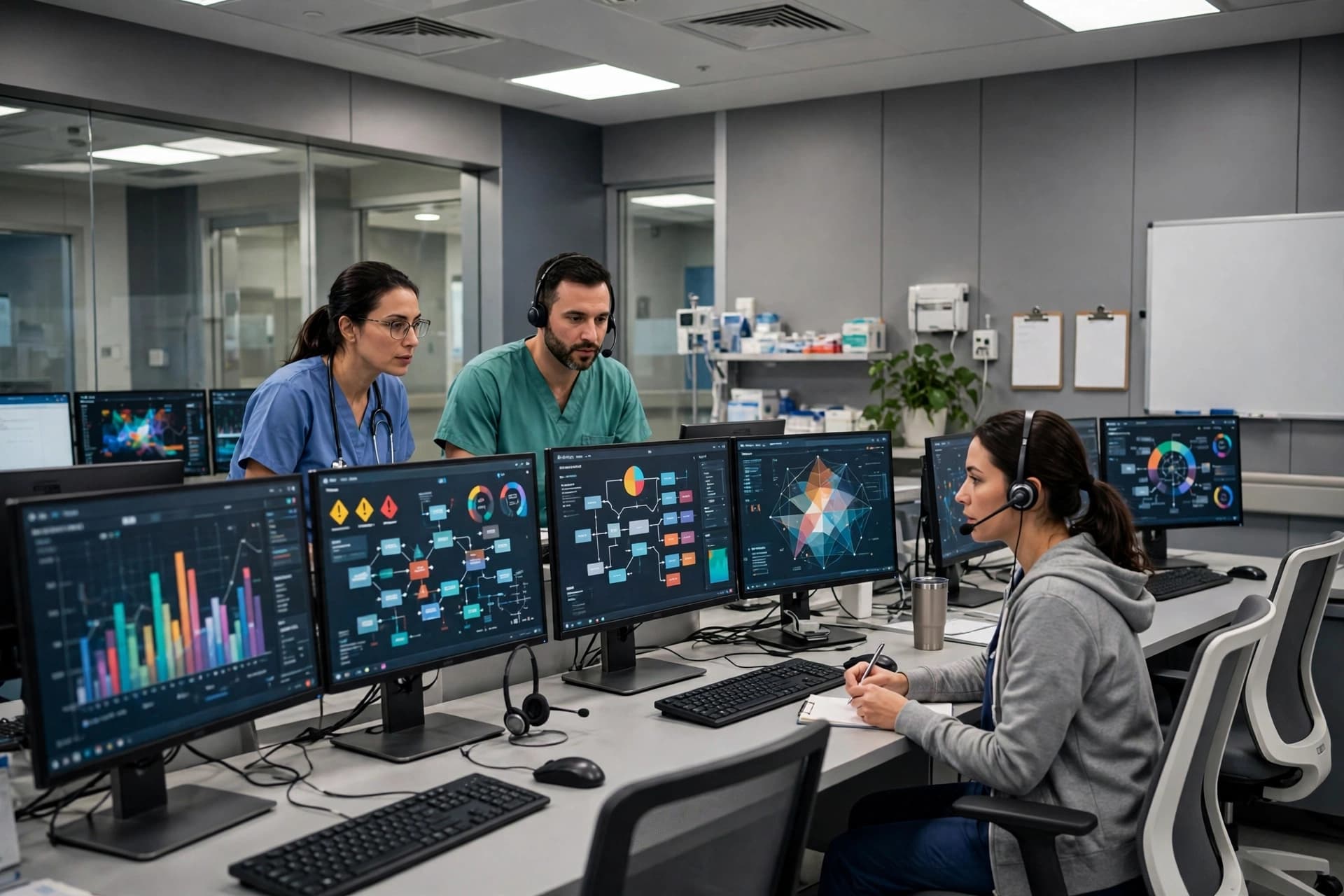
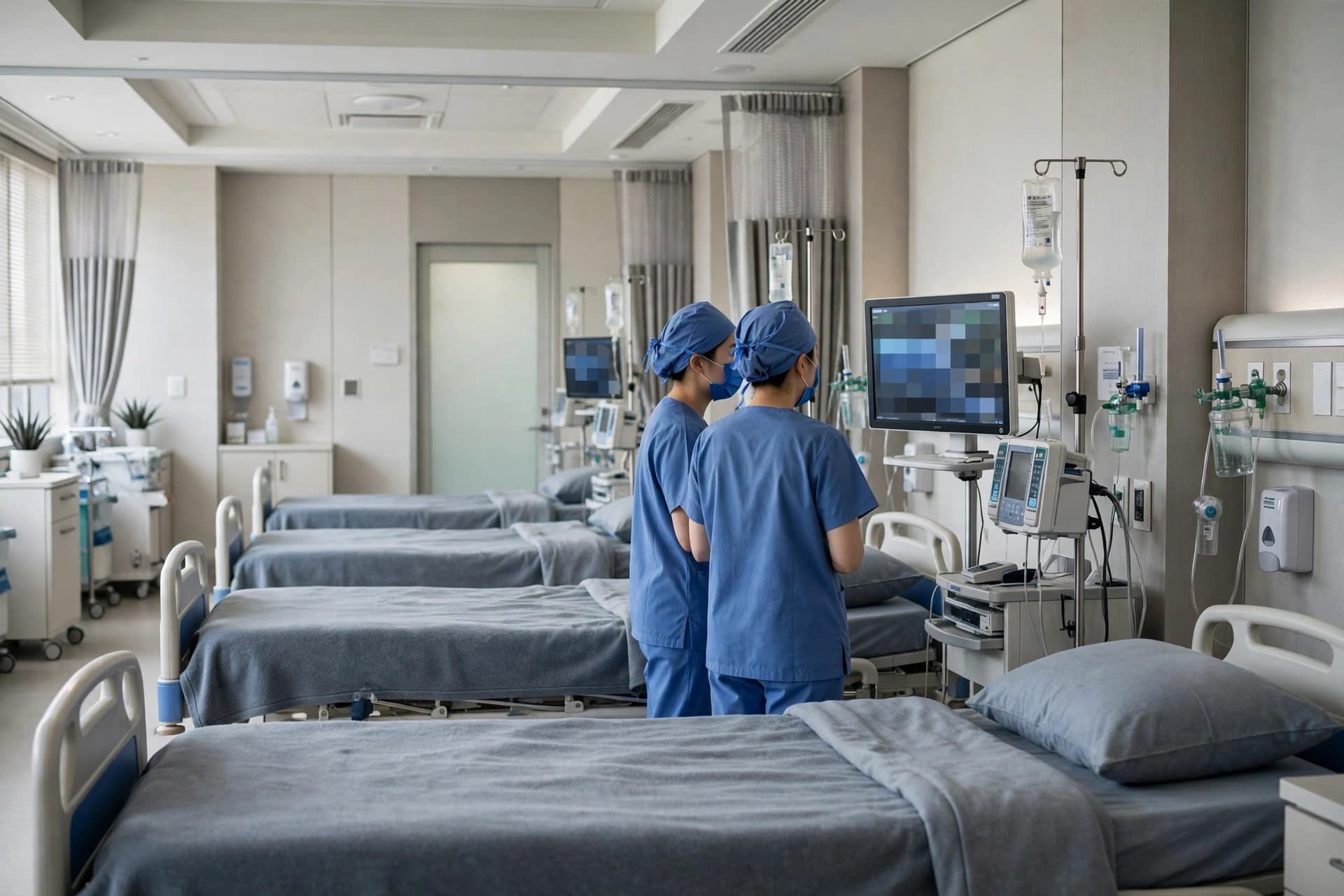
Ajou University Hospital in South Korea has expanded an artificial intelligence-powered monitoring system across 342 beds in seven wards, according to Healthcare IT News on October 26, 2026. The system is designed to help identify abnormalities in patients’ vital signs and notify clinical staff when intervention may be needed.
The system, called thynC, was developed by SEERS and distributed by Daewoong Pharmaceutical. It monitors patient information in real time and can identify warning signs such as potential falls and abnormal heart rhythms. It also integrates with electronic medical records to retrieve recent vital-sign measurements automatically.
The hospital began installing the system in 2025. Its use expanded to thoracic surgery and cardiology wards in September 2026, followed by emergency and integrated nursing-care wards in October. This gradual expansion illustrates how hospitals may introduce digital monitoring in stages, learning how it fits different clinical environments.
Continuous monitoring can be useful because a patient’s condition may change between scheduled observations. Automated systems can help identify patterns that deserve attention, potentially allowing staff to review concerning changes sooner. The technology is intended to support clinical teams, not independently determine every diagnosis or treatment decision.
The role of such systems becomes especially relevant in hospitals where staff manage multiple patients with different needs. By collecting and presenting information in a consistent way, digital monitoring may reduce some of the burden associated with routine observation. However, the usefulness of the alerts depends on their accuracy and on whether clinicians can respond promptly.
One important challenge is alert fatigue. If a system generates too many false alarms, staff may find it harder to distinguish urgent problems from less significant changes. Hospitals therefore need to evaluate performance, adjust thresholds appropriately, and ensure that alerts fit their existing workflows.
Privacy and cybersecurity also remain central considerations. Patient-monitoring systems handle sensitive medical information and may connect to hospital records and other digital infrastructure. Appropriate access controls, secure data handling, and clear responsibilities are essential when expanding connected medical technologies.
The report documents the system’s deployment and capabilities, but it does not establish that the expansion has already reduced mortality, prevented a particular number of emergencies, or improved clinical outcomes by a measured amount. Those questions require outcome data and independent evaluation.
Ajou University Hospital’s deployment demonstrates how AI is moving into routine hospital operations, beyond research demonstrations and isolated pilot projects. The long-term value will depend on whether the system consistently supports clinical judgment, helps staff respond to meaningful changes, and improves patient safety in measurable ways.
### Image Disclaimer
The illustrations are conceptual representations of AI-assisted hospital monitoring. They do not depict actual patients at Ajou University Hospital or represent measured clinical outcomes from the system.
### Sources
• Healthcare IT News
• Ajou University Hospital
• SEERS
• Daewoong Pharmaceutical
Published by Banx Network. This article is part of the Banx decentralized media programme, powered by the BXE token on the XRP Ledger.