
Key Highlights
- Water restrictions implemented across France due to heatwave.
- Local governments vary measures based on regional conditions.
- Agricultural communities closely monitor water supply impacts.
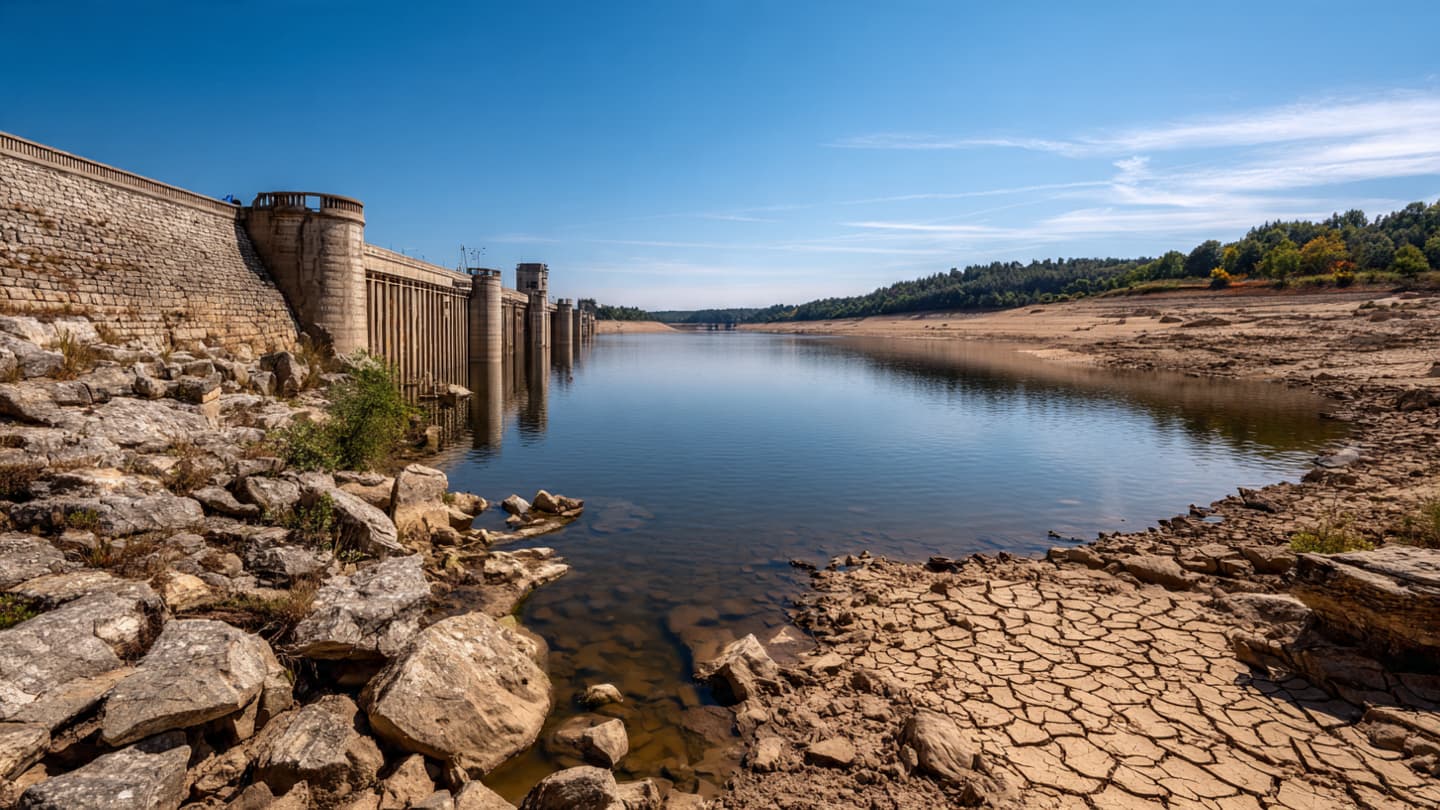
France is currently grappling with a significant challenge as authorities implement water restrictions in response to an ongoing heatwave and limited rainfall. The measures aim to protect water supplies during a summer season marked by unusually high temperatures, which have put pressure on reservoirs, rivers, and groundwater systems. While France is known for its abundant water resources, the prolonged heat has disrupted the natural balance between supply and demand, leading to increased evaporation and decreased soil moisture.
Local governments have taken action by introducing varying restrictions tailored to the specific conditions of each region. In many areas, residents face limitations on activities such as garden irrigation, vehicle washing, and other non-essential water uses. These restrictions are not only designed to conserve existing water supplies but also to ensure that critical needs can be met should dry conditions persist throughout the summer.
For many residents, these restrictions serve as a stark reminder of the impact of weather on daily life. Activities that are typically routine have now become part of a broader effort to manage water resources responsibly. Public information campaigns have been launched to encourage households and businesses to adopt water-saving practices, emphasizing the importance of conservation during this critical period.
Agricultural communities are particularly affected by these developments, as farming operations rely heavily on consistent access to water, especially during the summer months. Authorities are actively collaborating with agricultural stakeholders to strike a balance between environmental protection and the needs of food production and rural economies. This partnership is crucial in ensuring that both agricultural output and water conservation efforts are maintained.
Environmental experts highlight that effective water management is becoming increasingly vital across Europe. The rising temperatures and shifting precipitation patterns are prompting governments to rethink their long-term planning strategies. Investments in infrastructure, conservation programs, and efficiency improvements are now central to discussions about climate resilience and sustainable resource management.
The implications of water restrictions extend beyond agriculture, affecting tourism, industry, and local ecosystems. Healthy rivers support biodiversity, reservoirs provide essential drinking water, and wetlands play a critical role in maintaining environmental balance. Protecting these resources often necessitates difficult decisions during periods of prolonged heat, as authorities strive to safeguard both human and ecological needs.
Scientists emphasize that the current water restrictions are precautionary measures aimed at mitigating future risks. By acting early, authorities hope to prevent more severe shortages later in the season, reflecting lessons learned from past droughts and heatwaves that have impacted various regions in Europe.
Communities across France have largely responded with cooperation and awareness, recognizing that collective conservation efforts can lead to greater stability in the weeks and months ahead. Small adjustments made by individuals can significantly impact overall water consumption, fostering a sense of shared responsibility.
As weather forecasts continue to be monitored closely, authorities remain optimistic that changing conditions may eventually alleviate some of the pressure on water systems. Until then, the current restrictions serve as a reminder that even in a modern society, natural resources remain intricately linked to the rhythms of weather and climate.
Published by Banx Network. This article is part of the Banx decentralized media programme, powered by the BXE token on the XRP Ledger.



