
Key Highlights
- Recent attacks on vessels in the Strait of Hormuz have raised global concerns.
- Iran is reportedly involved, but details remain unclear.
- Shipping companies are responding with increased caution amid the uncertainty.
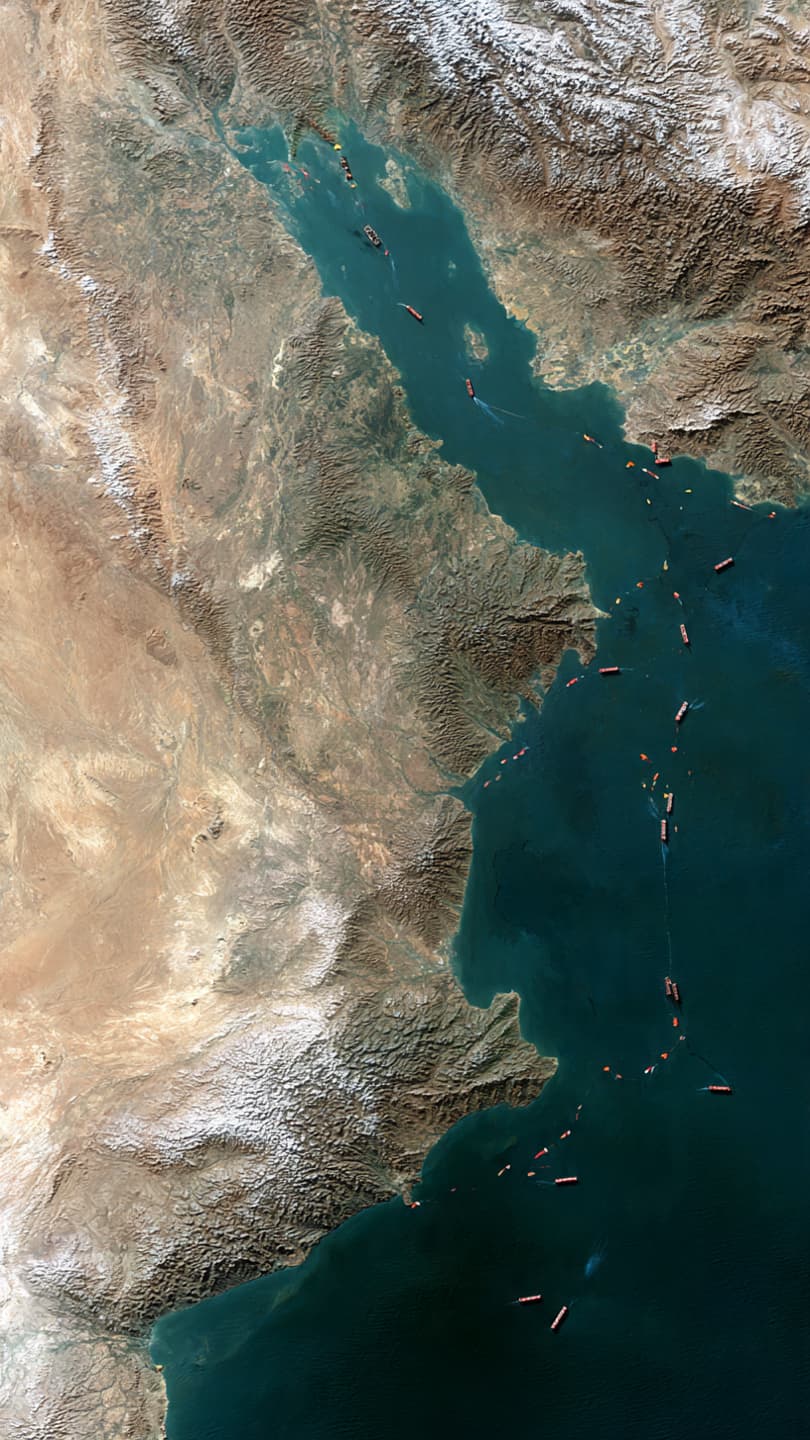
The Strait of Hormuz, a vital maritime corridor for global oil transport, has recently become the center of escalating tensions following reports of attacks on three vessels. Multiple news outlets, including Reuters, the Associated Press, Al Jazeera, and BBC, have indicated that Iran may be involved in these incidents, which have heightened the already fragile situation in the region.
Initial reports suggest that the attacks occurred in close succession, yet the specifics surrounding the nature of the strikes and the condition of the affected vessels vary significantly across different sources. This inconsistency in reporting has contributed to a growing sense of ambiguity, complicating the assessment of the situation.
The strategic importance of the Strait of Hormuz cannot be overstated; it is one of the world's most critical maritime routes, through which a significant portion of global oil supply passes. Even minor disruptions in this area can have far-reaching implications for international trade and energy markets. Analysts warn that the current state of confusion may influence geopolitical dynamics, as incomplete information often leads to cautious responses from governments and stakeholders.
Iran's official stance on the incidents remains vague, with limited statements issued that leave much open to interpretation. This lack of clarity has prompted ongoing analysis from international observers, who are closely monitoring the situation for any developments that could signal a shift in Iran's approach or further escalation.
In response to the heightened tensions, shipping companies are taking precautionary measures. Reports indicate that some vessels are delaying their transit through the strait, while others are seeking additional security assurances before proceeding. This cautious approach reflects the broader anxiety within the maritime industry regarding potential threats in the region.
Governments around the world have called for restraint and clarity in the wake of these incidents. Diplomatic efforts are underway, focusing on de-escalation and the need for a clearer understanding of the events as they unfold. The international community is keenly aware that any miscalculation could lead to a significant escalation of tensions in an already volatile region.
Energy markets are also reacting to the uncertainty surrounding the Strait of Hormuz. Traders are closely watching the situation, as even temporary disruptions can introduce volatility into pricing and supply expectations. The potential for conflict in this critical area raises alarms about the stability of global energy supplies, prompting stakeholders to prepare for various scenarios.
As the situation develops, the Strait of Hormuz remains a focal point of both action and uncertainty. Events are unfolding not only in terms of physical movements but also in the spaces between confirmed facts, where ambiguity can have significant implications for regional and global stability.
Published by Banx Network. This article is part of the Banx decentralized media programme, powered by the BXE token on the XRP Ledger.



