
Key Highlights
- Paris landmarks are adapting to extreme heatwave conditions.
- Adjustments include reduced operating hours and visitor safety measures.
- Local businesses are shifting operations to accommodate changing visitor patterns.
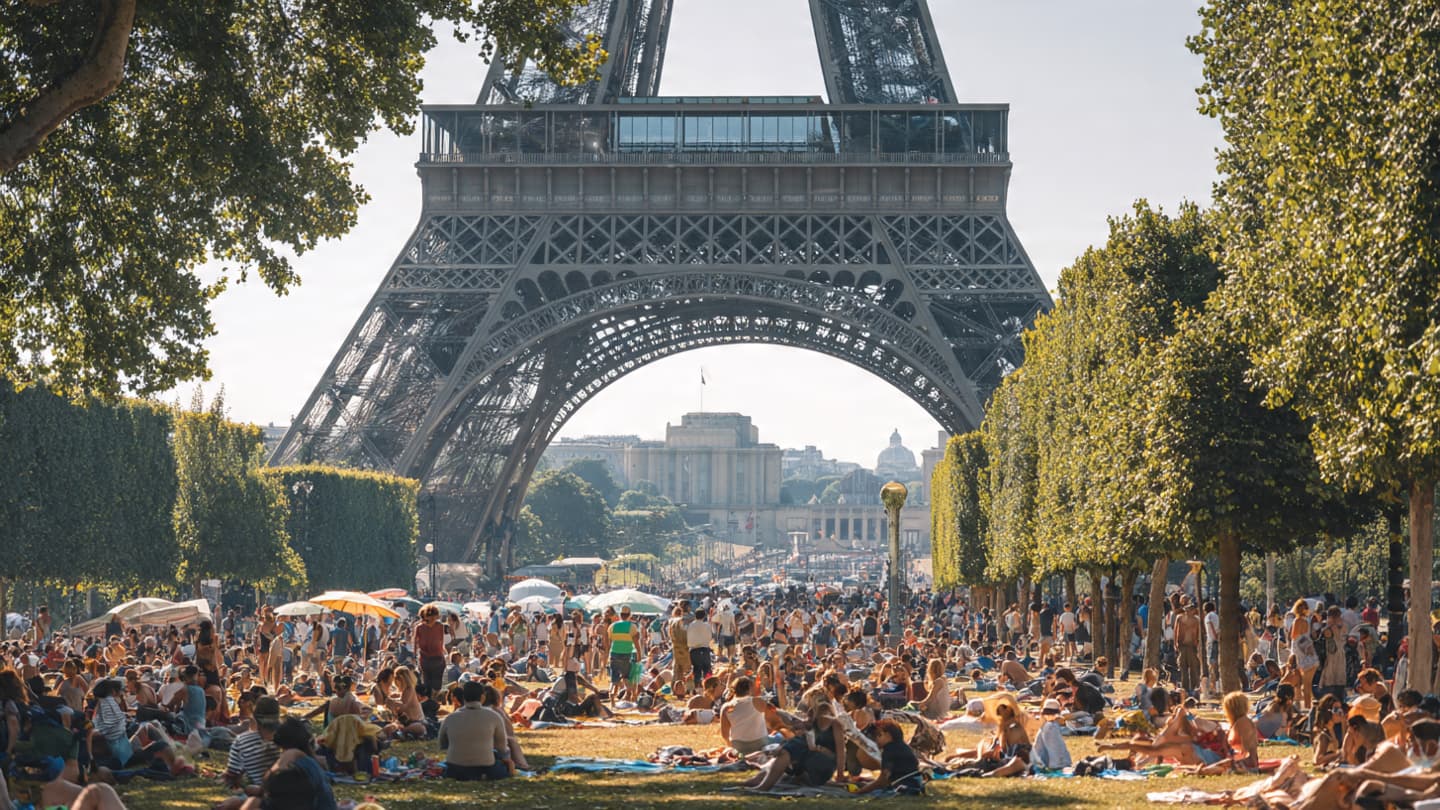
As the summer heatwave sweeps across France, even the most iconic landmarks in Paris are taking steps to ensure the safety and comfort of visitors. The Eiffel Tower and the Louvre, symbols of the city’s cultural identity, are implementing operational changes in response to soaring temperatures that have made sightseeing a challenge. Authorities and tourism operators are prioritizing visitor safety, recognizing the need for adjustments during these exceptional weather conditions.
The heatwave has significantly impacted Paris, with temperatures reaching levels that pose health risks, particularly for vulnerable groups such as the elderly and young children. In response, the Eiffel Tower has introduced reduced operating hours to minimize exposure during the hottest parts of the day. This proactive measure reflects a growing awareness of the need to protect visitors while still allowing them to experience one of the world’s most famous landmarks.
Similarly, the Louvre, which attracts millions of visitors each year, has faced challenges related to extreme outdoor temperatures. While the museum itself is largely climate-controlled, areas such as access points and waiting areas are still exposed to the heat. Adjustments to operations have been made to balance public access with safety concerns, ensuring that visitors can enjoy the art and history housed within its walls without compromising their well-being.
As tourists navigate the city during this heatwave, they encounter a Paris that is adapting in real time. Public announcements encourage hydration, and shaded rest areas have become increasingly important. Tourism staff are actively providing guidance to help travelers cope with the challenging conditions, reflecting a broader understanding that extraordinary weather necessitates extraordinary preparation.
The situation also underscores the intersection between tourism and climate resilience. While cultural landmarks have stood the test of time, the management of visitor experiences is evolving in response to increasingly unpredictable environmental conditions. Tourism officials across Europe are closely monitoring how destinations adapt during extreme weather events, recognizing that the future of travel may hinge on such adaptations.
Local businesses surrounding major attractions are also feeling the impact of the heatwave. Restaurants, cafés, and shops are adjusting their hours and services as visitor patterns shift toward cooler morning and evening times. This change has altered the daily rhythm of some of Paris’s busiest districts, showcasing the ripple effects of climate on tourism and local economies.
Experts warn that such heatwave episodes may become more frequent in the coming years, influencing travel planning and public safety strategies. While the historic appearance of landmarks like the Eiffel Tower and the Louvre remains unchanged, the ways in which people experience these sites are likely to continue evolving alongside environmental realities.
Despite the challenges posed by the heat, many visitors have expressed gratitude for the safety measures in place. While some adjustments may be inconvenient, they provide reassurance that authorities are taking proactive steps to address the changing climate. In a city renowned for its hospitality and cultural heritage, the well-being of guests remains a central focus in decision-making.
As weather conditions are closely monitored, Paris’s iconic landmarks serve as enduring symbols of resilience. This summer has illustrated that even the most familiar sites must adapt to contemporary challenges, ensuring that the city continues to welcome the world while navigating the demands of a changing climate.
Published by Banx Network. This article is part of the Banx decentralized media programme, powered by the BXE token on the XRP Ledger.



