

Key Highlights
- Burn bans are enacted in response to heightened wildfire risks.
- Restrictions affect outdoor grilling and recreational activities.
- Public awareness campaigns accompany the regulations to inform residents.
As wildfire risks escalate, authorities across various regions are implementing strict burn bans, reflecting a growing concern for safety amid increasingly fragile environmental conditions. These regulations extend beyond open fires to include outdoor grilling, highlighting the potential dangers posed by even small flames during periods of heightened risk.
Burn bans are typically enacted during conditions characterized by low humidity, high temperatures, and limited rainfall. These factors create an environment where fires can spread rapidly and unpredictably, prompting officials to take precautionary measures. The inclusion of grilling in these restrictions has garnered attention, as it impacts everyday activities for many residents and outdoor enthusiasts.
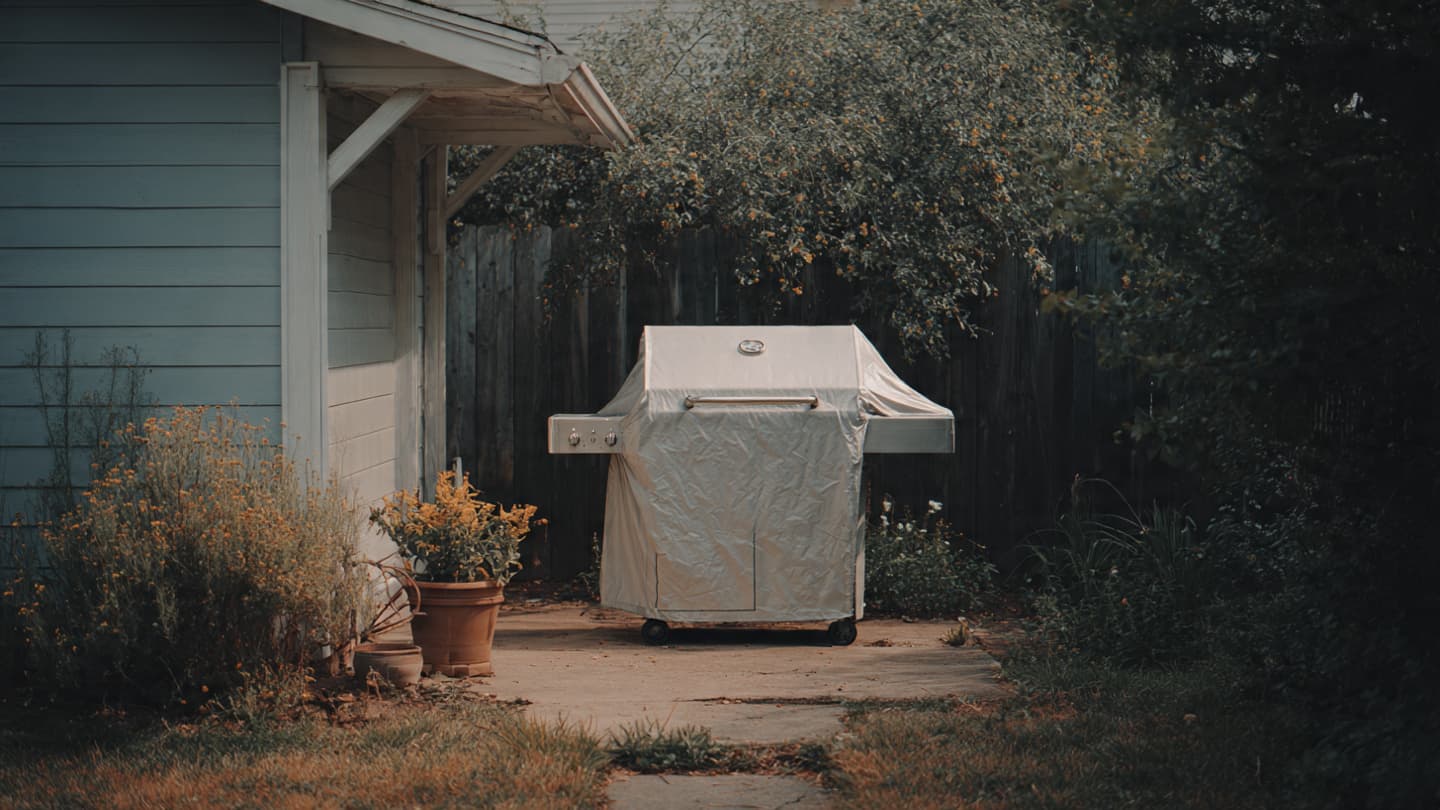
While some areas permit the use of enclosed or gas-powered grills, others have adopted broader limitations to mitigate any potential hazards. Fire departments and emergency management agencies emphasize the importance of compliance with these regulations, noting that prevention is the most effective strategy during high-risk periods. Public awareness campaigns often accompany these bans, aiming to educate residents about the risks associated with fire use and the necessity of adhering to the regulations.
Reactions from residents have been mixed, as many grapple with the inconvenience of restrictions while understanding the underlying safety concerns. In regions that have experienced devastating wildfires in the past, the memory of destruction often reinforces support for precautionary measures. This sentiment underscores the delicate balance between maintaining daily routines and ensuring community safety.
Environmental experts have pointed out that climate patterns are contributing to longer and more intense fire seasons in many parts of the world. Consequently, burn bans are becoming more frequent and, at times, more stringent. The restrictions serve as a reminder of the interconnected nature of daily behavior and environmental conditions, where small actions, when multiplied across communities, can significantly influence the likelihood of larger catastrophic events.
As conditions evolve, officials are closely monitoring risks and adjusting restrictions as necessary to safeguard communities. They continue to encourage vigilance in even the most routine activities, reminding residents that caution is paramount in preventing potential disasters.
In summary, as authorities implement burn bans in response to rising wildfire risks, the impact on daily life and community safety becomes increasingly evident. The ongoing dialogue between residents and officials highlights the importance of balancing safety with the enjoyment of outdoor activities during these challenging times.
Published by Banx Network. This article is part of the Banx decentralized media programme, powered by the BXE token on the XRP Ledger.




