The projected shortfall comes despite growing imports from countries farther from the European market. South Korea has emerged as one of the latest major suppliers, with European imports from the country reaching about 129,000 barrels per day in September, according to shipping and commodities data cited by Reuters. That level represents the highest monthly flow since October 2022.
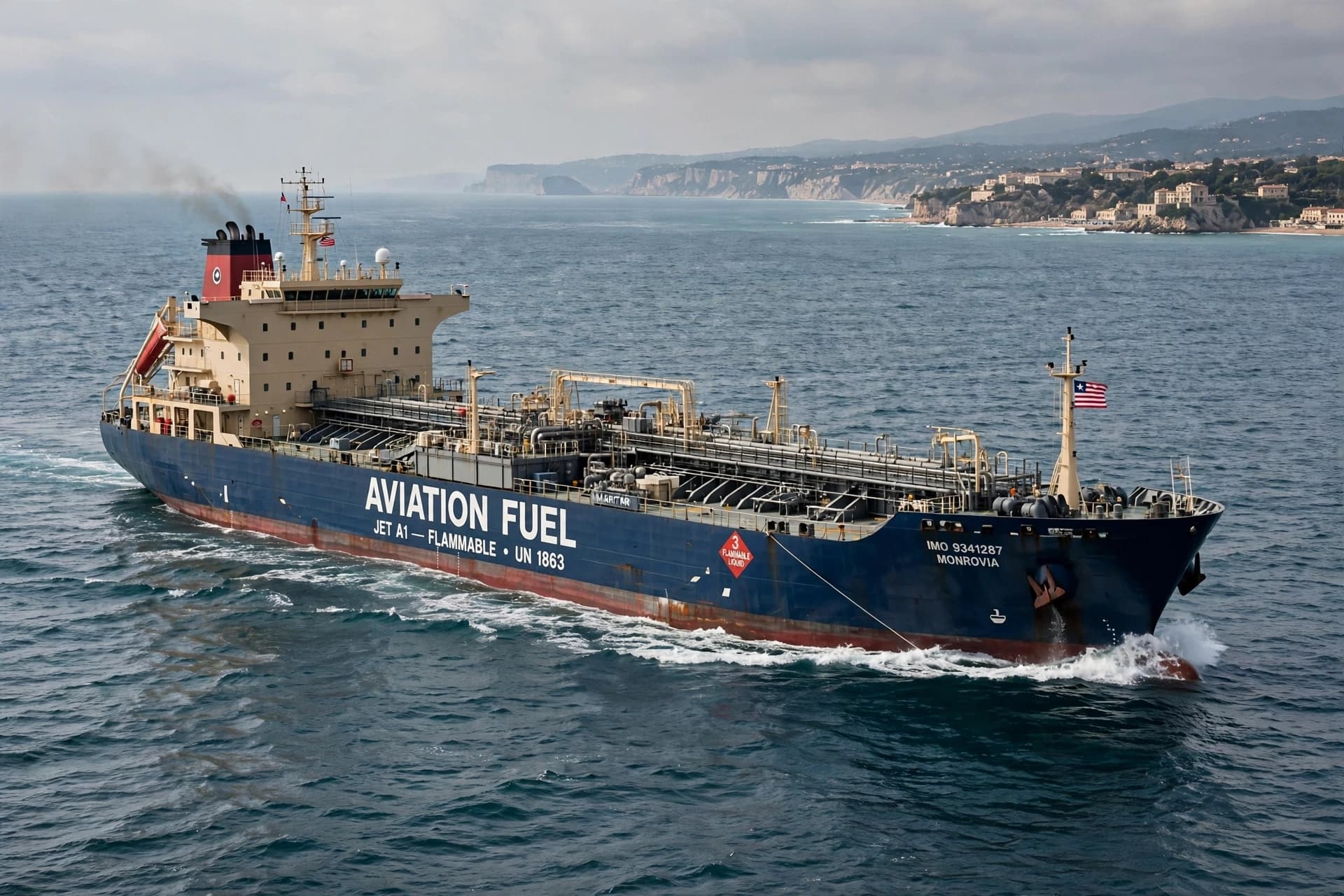
The change is partly connected to disruptions in Middle Eastern supplies. Europe traditionally depends on relatively nearby sources for a substantial portion of its jet fuel, but those flows have been reduced, forcing traders to search farther afield. Nigeria, the United States, Canada and South Korea have consequently become more important pieces of the European supply picture.
Energy Aspects forecasts that Europe could face a fourth-quarter deficit of around 510,000 barrels per day. At the same time, the United States is expected to have a surplus of roughly 18,000 barrels per day, while the Asia-Pacific region could see a surplus of about 419,000 barrels per day.
The numbers underline how geography can suddenly become an important part of an energy market. Fuel may still exist elsewhere, but moving it across oceans requires ships, available refinery capacity, favorable prices and enough time to complete the journey.
European inventories have also added another layer of concern. Jet fuel stocks in the Amsterdam-Rotterdam-Antwerp trading hub were reported at their lowest level in seven years in the week ending September 10. Lower inventories leave the market with less room to absorb another unexpected disruption.
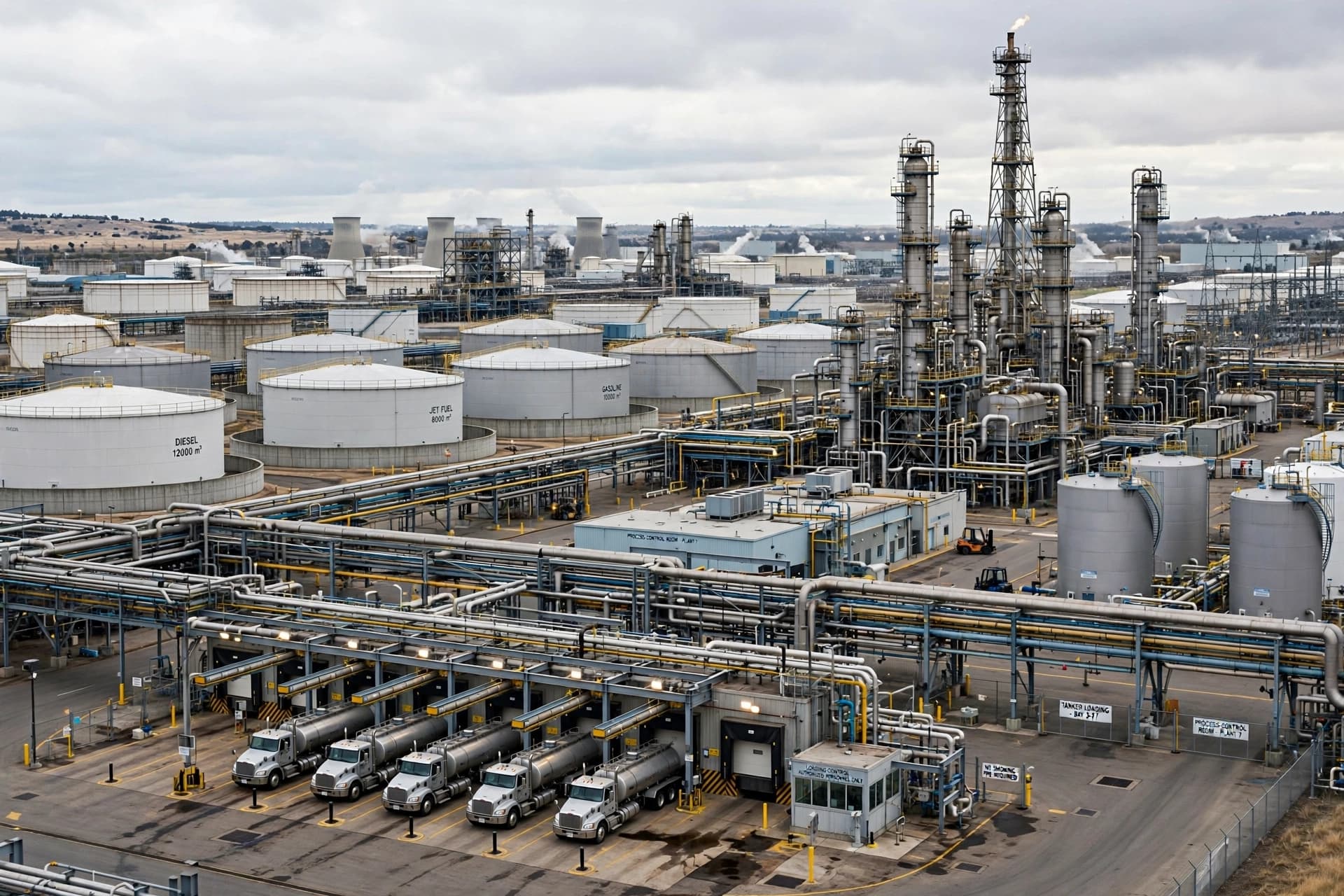
South Korea, meanwhile, has been able to respond because its refinery sector has maintained strong production. Its July jet fuel output reached almost 13.89 million barrels, a seven-year high, according to the Reuters report. Higher refinery activity has created additional barrels that can move toward markets where prices provide sufficient incentive.
For airlines, the consequences of such a market do not necessarily appear immediately at the airport gate. Instead, they can emerge gradually through higher fuel costs, changing procurement strategies and greater sensitivity to shipping distances. Jet fuel remains one of the largest operating expenses for airlines, making the stability of supply an important part of the wider aviation economy.
The coming quarter will therefore be watched not only for how much fuel Europe consumes, but also for where that fuel comes from. The increasingly long journey from Asian refineries to European airports illustrates a market adapting in real time to a changing supply map.
In the end, the movement of a fuel tanker across distant seas can reveal something larger than a temporary shortage. It shows how aviation, energy and global trade remain connected by routes that may look invisible from an airport terminal, yet become crucial whenever established supply lines begin to shift.
Image Disclaimer: The illustrations described below are conceptual visualizations created for editorial purposes and are not photographs of the reported events.
Sources: Reuters; Energy Aspects; Kpler.
Published by Banx Network. This article is part of the Banx decentralized media programme, powered by the BXE token on the XRP Ledger.