

Key Highlights
- Death Toll:At least twelve people have died in a wildfire in southern Spain.
- Victims:Many victims were trapped in their vehicles as flames engulfed escape routes.
- Emergency Response:Firefighters faced intense conditions while battling the blaze.
A devastating wildfire in southern Spain has claimed at least twelve lives, with many victims tragically trapped in their vehicles as flames engulfed the roads they sought for escape. This incident, which unfolded during a severe heatwave, highlights the terrifying speed at which nature can turn against humanity, transforming routine evacuations into desperate struggles for survival.
The fire, fueled by prolonged heatwaves and dry vegetation, spread rapidly through rural areas near Los Gallardos. Residents and tourists alike found themselves caught in a wall of fire, with smoke reducing visibility to near zero. For those who chose to flee by car, the roads quickly became congested and then impassable, creating deadly bottlenecks where escape was no longer possible. Eyewitness accounts describe scenes of chaos as people attempted to flee the advancing flames.
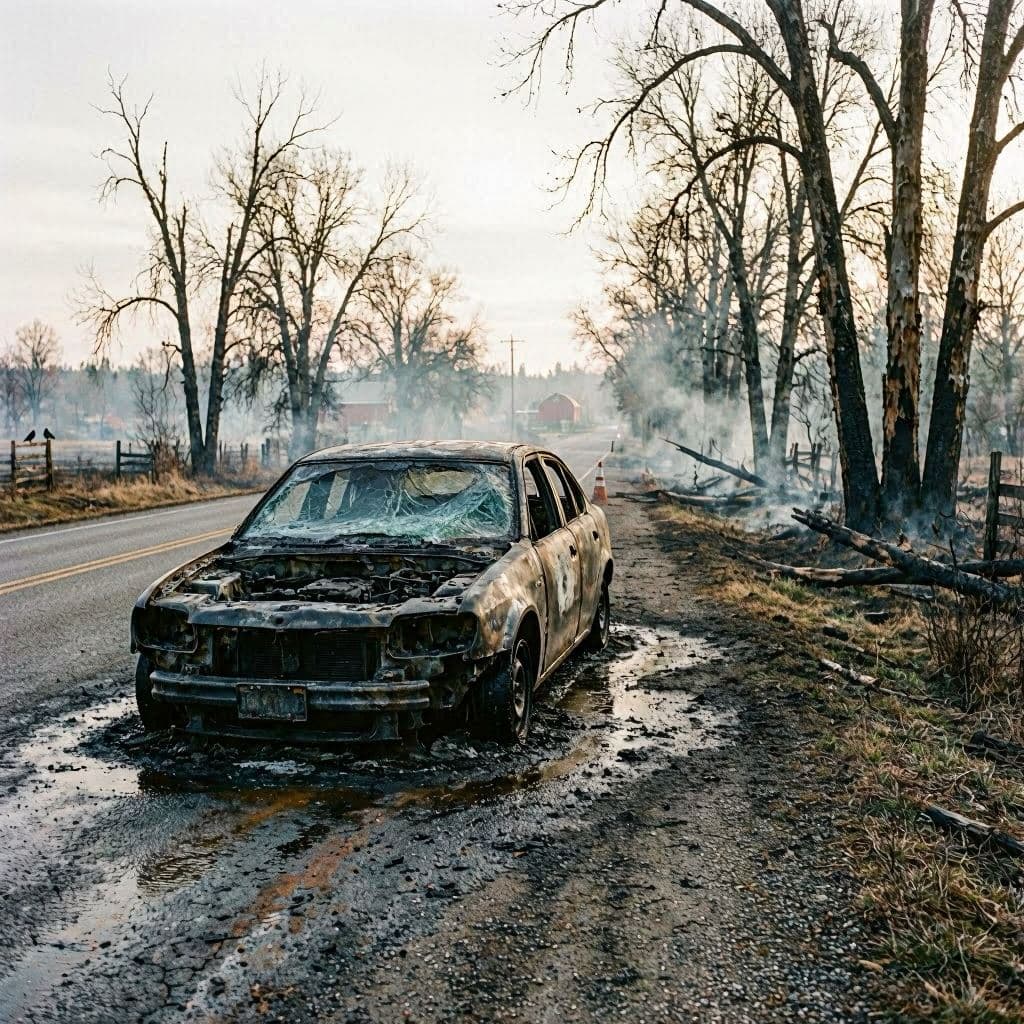
Among the deceased were four British nationals, identified by the right-hand steering wheel of their burnt-out vehicle. Their deaths underscore the international reach of such disasters, affecting not only locals but also visitors drawn to the region’s sunny climate. The loss of life is a stark reminder of the vulnerabilities faced by communities in fire-prone zones, especially during extreme weather events. Local authorities have confirmed that seven people died while on foot after abandoning their cars, suggesting that the decision to stay or leave was fraught with difficult choices.
Emergency services worked tirelessly to combat the blaze, with firefighters battling intense heat and unpredictable wind shifts. Despite their efforts, the sheer scale of the fire overwhelmed some defenses, leading to significant casualties. The incident has prompted a review of evacuation protocols and emergency response strategies in the region. Local officials are now assessing how to improve safety measures to prevent such tragedies in the future.
The broader context of climate change looms large over this tragedy. Rising temperatures and changing weather patterns are making wildfires more frequent and intense across Europe. This event serves as a sobering example of the human cost of environmental shifts, urging greater preparedness and adaptation measures. Experts warn that without significant action to address climate change, such disasters may become increasingly common.
As the fire is brought under control, the focus shifts to recovery and support for the affected families. The community mourns its losses, coming together to offer comfort and assistance. It is a moment of reflection on the fragility of life and the power of nature, as residents grapple with the aftermath of this devastating event.
In the wake of this tragedy, local authorities are calling for improved emergency planning and public awareness campaigns to ensure that residents and visitors are better prepared for future wildfires. The need for effective evacuation strategies has never been more urgent, as communities face the growing threat of climate-related disasters.
Published by Banx Network. This article is part of the Banx decentralized media programme, powered by the BXE token on the XRP Ledger.




