There are mornings when markets open like a steady breath — measured, predictable, almost quiet. And then there are days when that rhythm falters, when oil charts climb sharply and stock indexes dip in uneasy response. The latest surge in gas and crude prices, paired with a broad market sell-off, feels less like an isolated tremor and more like the echo of rising geopolitical tension. Investors, much like sailors studying the horizon, are reading signals not only in numbers but in possibility.
Oil prices climbed sharply amid growing fears that escalating conflict in the Middle East could disrupt key supply routes. Brent crude and U.S. benchmark prices both recorded significant gains, driven largely by concerns over shipping lanes and production facilities tied to the region’s output. Even the suggestion of prolonged instability around major transit corridors — particularly the Strait of Hormuz, through which a substantial share of global oil flows — has proven enough to lift futures markets.
Natural gas prices followed a similar path. European benchmarks rose as traders recalibrated expectations for supply, especially given the continent’s reliance on imported liquefied natural gas. The reaction underscores how closely energy markets remain tied to geopolitical developments. In recent years, policymakers have worked to diversify supply and strengthen reserves, yet price sensitivity persists when uncertainty clouds the outlook.
Equity markets, meanwhile, moved in the opposite direction. Major U.S. indexes fell as investors shifted toward safer assets, reflecting caution about inflationary pressures and the potential economic impact of higher fuel costs. Energy stocks often outperformed during the session, buoyed by rising commodity prices, while technology and consumer sectors lagged. The dynamic is familiar: when oil climbs quickly, concerns about production costs and consumer spending tend to follow.
In Europe and Asia, shares also retreated, mirroring sentiment seen on Wall Street. Analysts noted that the sell-off reflects not just immediate supply concerns but broader anxiety about whether the conflict might widen. Markets tend to price in uncertainty swiftly, and traders are now weighing the likelihood of prolonged disruption against diplomatic efforts aimed at containment.
The broader economic implications remain uncertain. Sustained increases in oil and gas prices could renew inflationary pressures just as many central banks have been working to stabilize price growth. Higher fuel costs can ripple through transportation, manufacturing, and household budgets, subtly reshaping forecasts for growth. Yet some economists caution against overreaction, noting that energy markets often experience short-term spikes during geopolitical events before stabilizing if supply remains intact.
For now, volatility has returned to the forefront. Financial markets are adjusting to the possibility — not yet the certainty — that instability could intensify. In such moments, the interplay between perception and reality becomes powerful. A rumor, a headline, or a shift in military posture can alter trajectories within minutes.
Oil and gas prices rose sharply as investors reacted to concerns that geopolitical tensions could escalate and disrupt global supply routes. Major stock indexes fell, reflecting heightened uncertainty and renewed worries about inflation. Market participants continue to monitor developments closely as volatility persists.
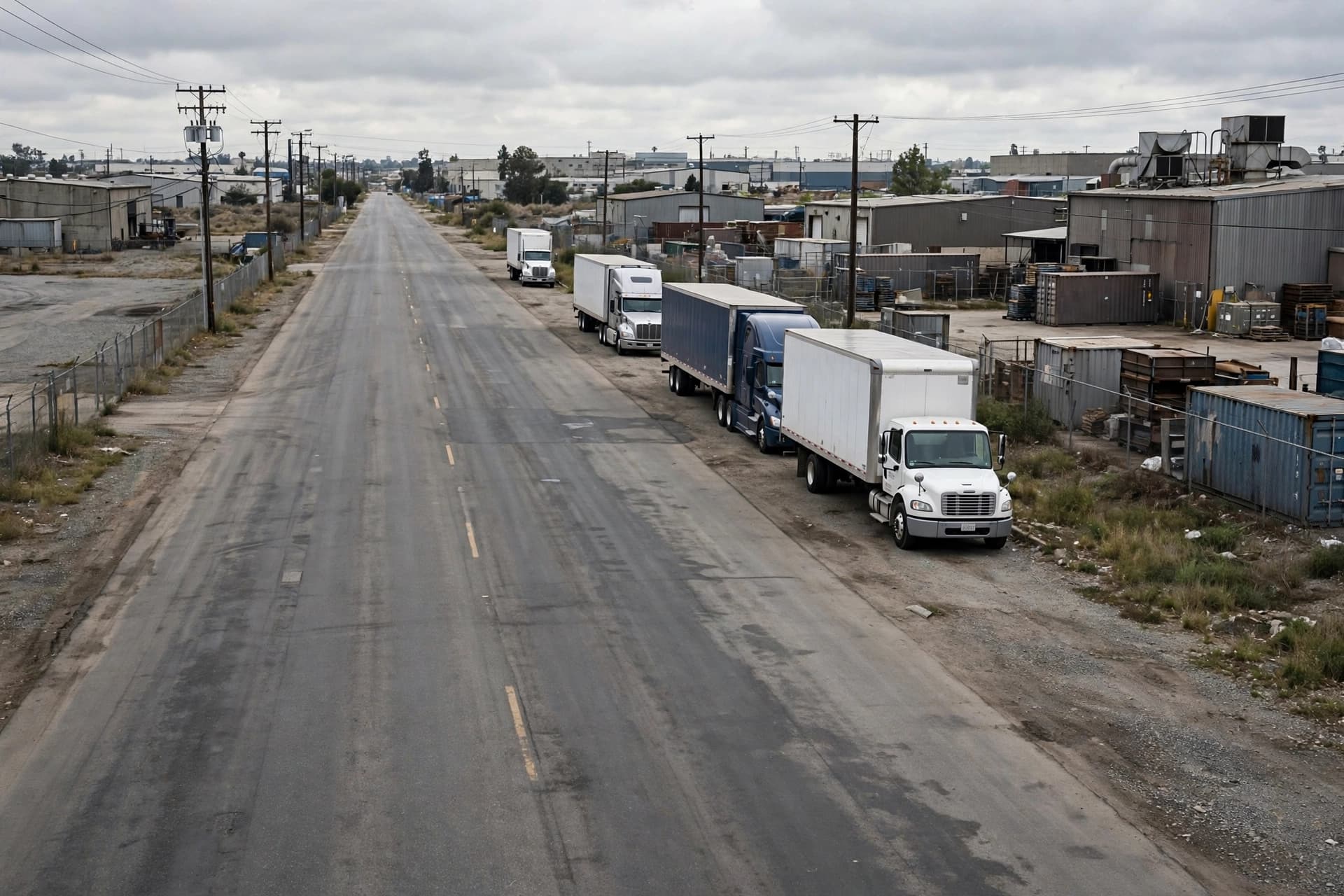
AI Image Disclaimer Images in this article are AI-generated illustrations, meant for concept only.
Source Check (Credible Media Identified):
Reuters Bloomberg CNBC The Wall Street Journal Financial Times
Published by Banx Network. This article is part of the Banx decentralized media programme, powered by the BXE token on the XRP Ledger.