In the way a river must sometimes bend when it meets unexpected rocks, so too does a great economy adjust its course when familiar channels run suddenly shallow. China’s vast appetite for energy — the lifeblood of its manufacturing hubs and urban centers — now finds itself facing such a moment, as geopolitical upheaval in the Middle East shakes long-standing assumptions about where oil flows and how secure those flows may be.
For years, Iranian crude played a steady role in Beijing’s energy portfolio, contributing a meaningful share of the nation’s oil imports. But as clashes escalate around the Strait of Hormuz — a vital maritime artery for roughly one-fifth of the world’s oil shipments — the familiar currents from that source are growing unpredictable. A series of U.S. and Israeli strikes on Iran, and Tehran’s own responses, have effectively paralyzed tanker traffic through the narrow channel, disrupting exports not just from Iran but complicating deliveries from multiple Gulf producers upon whom China also depends.
Against this backdrop of disruption, China’s steady turn toward Russia assumes new strategic significance. Already the nation’s largest oil supplier, Moscow offers barrels that reach Chinese refineries by routes bypassing the chokepoint in the Middle East. In a world where reliable transport matters as much as reliable volume, that overland and northern sea corridor has become increasingly attractive. Analysts suggest Beijing may deepen this energy partnership — not out of preference, but necessity — as the uncertainties in the Gulf persist.
This pivot is neither abrupt nor without precedent. China has, over the past decade, built closer ties with Russian energy producers, absorbing discounted barrels even as many Western buyers stayed away under sanctions. The current tensions simply reveal how those ties confer practical value when traditional supplies falter. Yet the choice comes with its own complexities: heavier reliance on a single partner may weaken China’s leverage in price negotiations and expose it to shifts in global sanction regimes.
At home, the effects of Middle Eastern disruption are already visible. Chinese refiners in coastal provinces have begun reducing run rates, reflecting tighter crude availability and rising costs as shipping through Hormuz stalls. Some unfurl maintenance plans earlier than usual, a sign of how external events are now pressing on domestic operations.
Simultaneously, Beijing has called for heightened protection of maritime navigation in the strait, emphasizing the importance of secure shipping lanes for global trade. The call is both diplomatic and pragmatic — a plea for stability in a world where the interconnectedness of supply chains leaves no economy untouched.
In quieter corridors of power, conversations now blend short-term responses with long-term strategy. China’s extensive stockpiles, built over months of cautious procurement, offer a buffer; government planners also discuss accelerating energy projects that bypass vulnerable routes entirely, from Siberian pipelines to Arctic shipping lanes. In each case, the underlying lesson is clear: in an era of unpredictable geopolitics, energy security is as much about flexibility as it is about supply.
By leaning more heavily on Russia — a partner with whom it shares deep economic ties even amidst global tensions — China reveals both its vulnerabilities and its resilience. The world’s largest importer of crude is not merely reacting to immediate disruption; it is navigating toward a broader reorientation of its energy map, one shaped by geography as much as by the shifting currents of international affairs.
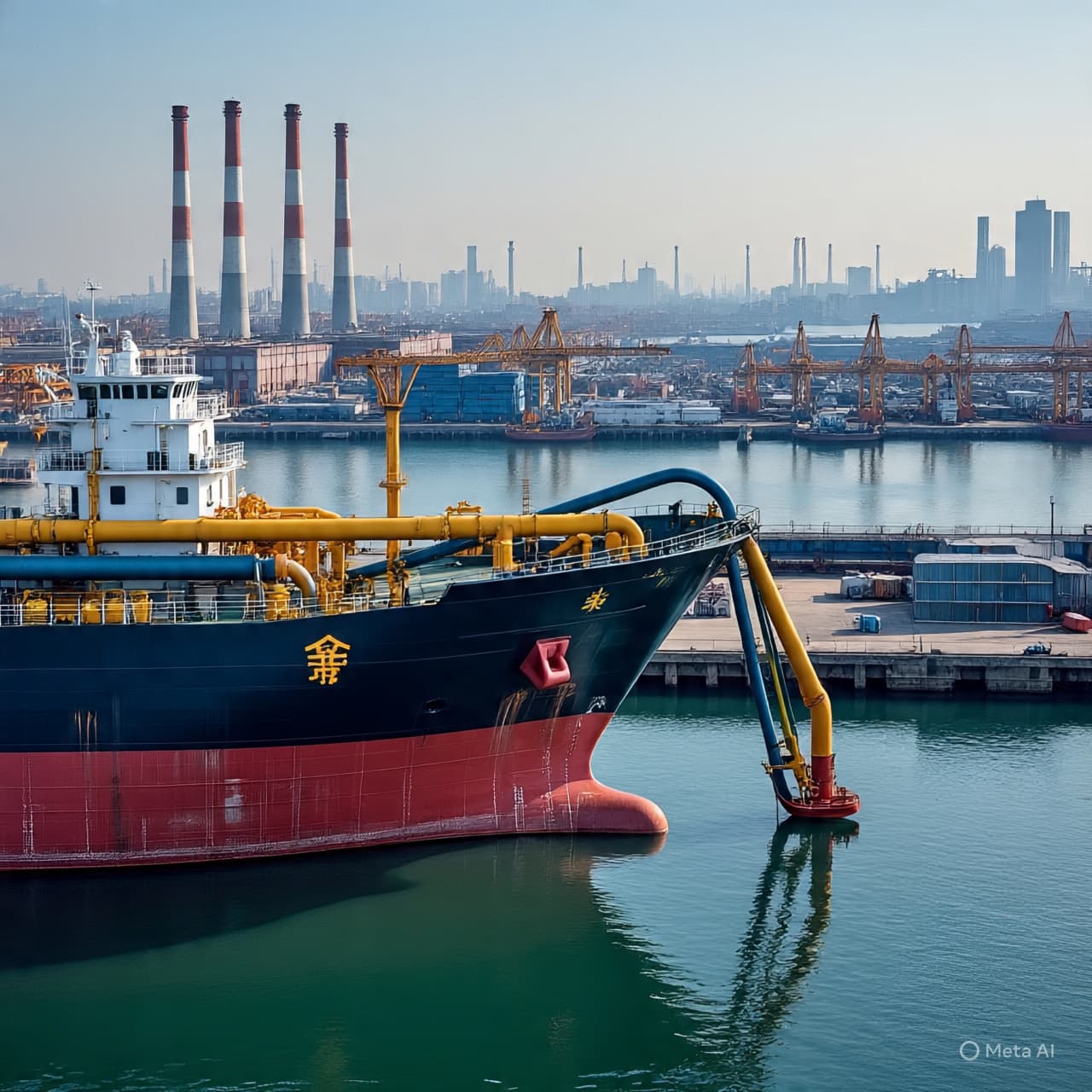
AI Image Disclaimer “Visuals are created with AI tools and are not real photographs.”
Sources Financial Times Financial Times Reuters The Guardian
Published by Banx Network. This article is part of the Banx decentralized media programme, powered by the BXE token on the XRP Ledger.