
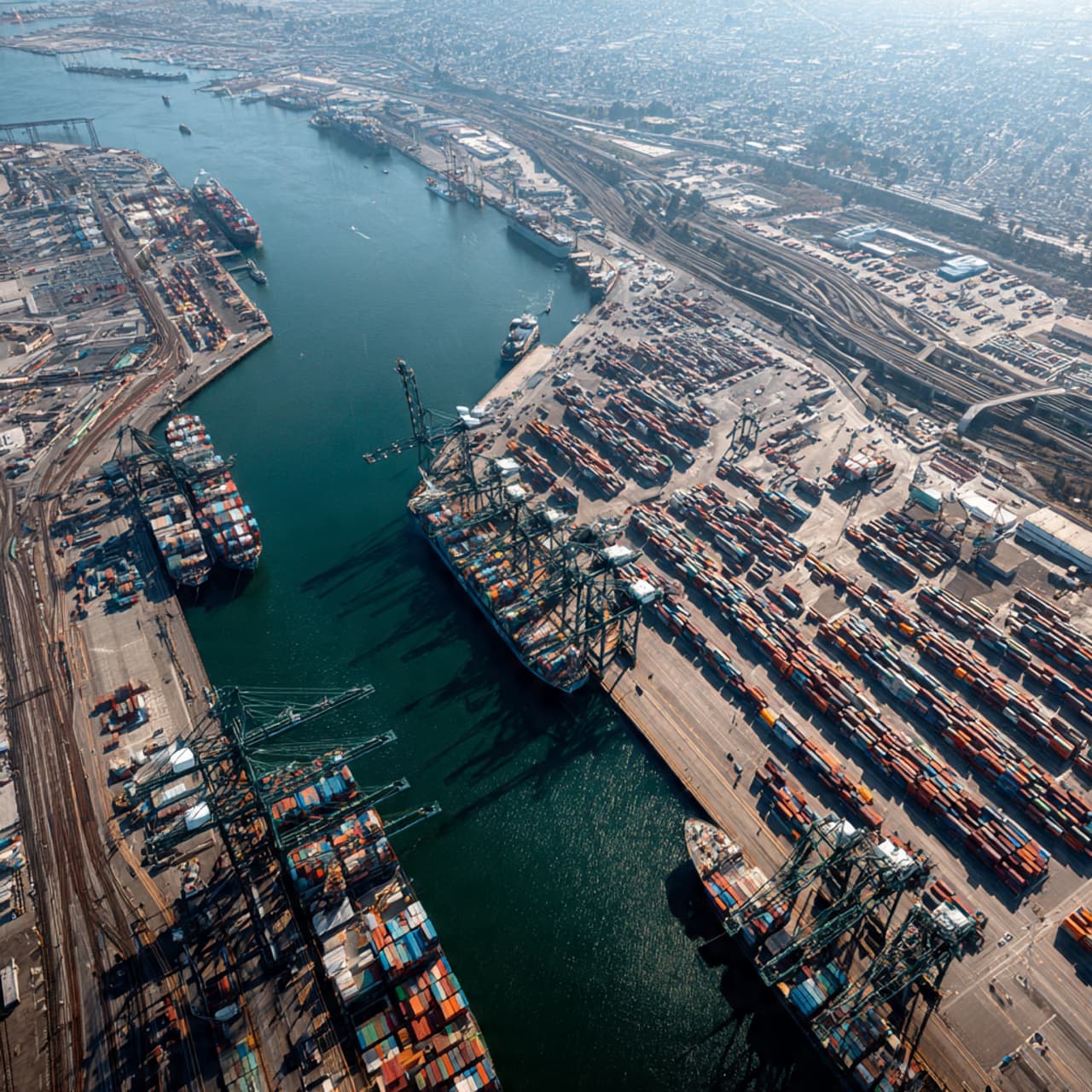
Key Highlights
- Energy risks are increasingly affecting global supply chains.
- Companies are adapting logistics strategies to mitigate disruptions.
- Consumers may face higher prices due to increased transportation costs.
[Understanding Energy Risks]
The modern supply chain operates like a finely tuned orchestra, where each component—from raw materials to finished products—relies on a seamless flow of energy. However, recent energy-related risks have emerged as a significant challenge for global supply chains, threatening to disrupt this delicate balance. As businesses navigate these uncertainties, understanding the implications of energy fluctuations becomes crucial for maintaining operational efficiency and competitiveness.
Energy is the lifeblood of international commerce. Cargo ships, trucks, rail networks, and manufacturing facilities all depend on reliable fuel and power supplies. Consequently, fluctuations in energy markets can ripple through the entire production and distribution process, affecting costs at every stage. Companies are increasingly vigilant as uncertainties surrounding energy supplies and transportation routes continue to shape market conditions.
The impact of energy risks extends beyond just oil prices. Businesses must also consider factors such as shipping availability, insurance costs, and transportation reliability. Even minor increases in operating costs can escalate significantly when multiplied across extensive international logistics networks. For organizations managing thousands of shipments annually, maintaining efficiency is essential to remain competitive in a volatile market.
Recent global events have highlighted the vulnerabilities of supply chains to unexpected disruptions. The COVID-19 pandemic, port congestion, labor shortages, and geopolitical tensions have all exposed weaknesses within logistics systems. In response, many companies have invested heavily in resilience strategies aimed at reducing reliance on single suppliers or transportation corridors. While these efforts have enhanced flexibility, challenges persist.
Manufacturers face tough decisions regarding inventory management and sourcing strategies. Holding larger inventories can provide a buffer against disruptions, yet it also increases storage costs and ties up capital. On the other hand, lean supply-chain models may enhance efficiency but leave businesses more vulnerable to energy-related issues. Striking the right balance has become a central concern for many organizations as they seek to navigate these complexities.
Transportation providers are also adapting to the changing landscape. Shipping companies, freight operators, and logistics firms are leveraging advanced planning tools to monitor evolving conditions and optimize routes. Enhanced visibility across supply networks allows businesses to identify potential problems earlier than before. However, no system can entirely eliminate the impact of broader market uncertainties, particularly those related to energy.
Consumers are beginning to feel the effects of these energy risks as well. Increased transportation and production costs can lead to higher prices for everyday goods, from household items to industrial materials. While companies may absorb some of these additional expenses, sustained cost increases are likely to be passed on to consumers, impacting the broader economy.
Financial markets are taking note of these developments, recognizing that supply-chain stability is a critical factor influencing corporate performance and economic growth. Companies with diversified sourcing strategies and robust logistical capabilities are often seen as better positioned to navigate uncertain conditions. In contrast, industries heavily reliant on transportation costs face increased scrutiny from investors.
Governments and policymakers are increasingly prioritizing supply-chain security as part of their economic planning. Investments in infrastructure, energy diversification, and domestic manufacturing capabilities are being explored in many countries to reduce vulnerability to external disruptions. These initiatives reflect a growing recognition that resilient supply chains are integral to economic stability.
As businesses continue to adapt to an environment shaped by evolving energy risks and logistical challenges, it becomes clear that global supply chains are not merely transportation systems. They are interconnected networks that rely on stable energy markets, efficient infrastructure, and international cooperation. In this complex landscape, resilience and flexibility are among the most valuable assets for companies striving to thrive amid uncertainty.
Published by Banx Network. This article is part of the Banx decentralized media programme, powered by the BXE token on the XRP Ledger.



