
Key Highlights
- Ukrainian forces have targeted Russian oil infrastructure, including a shadow fleet of tankers.
- The strikes aim to disrupt Russia's logistical and economic capabilities tied to energy.
- Energy markets are responding cautiously to potential supply chain disruptions.
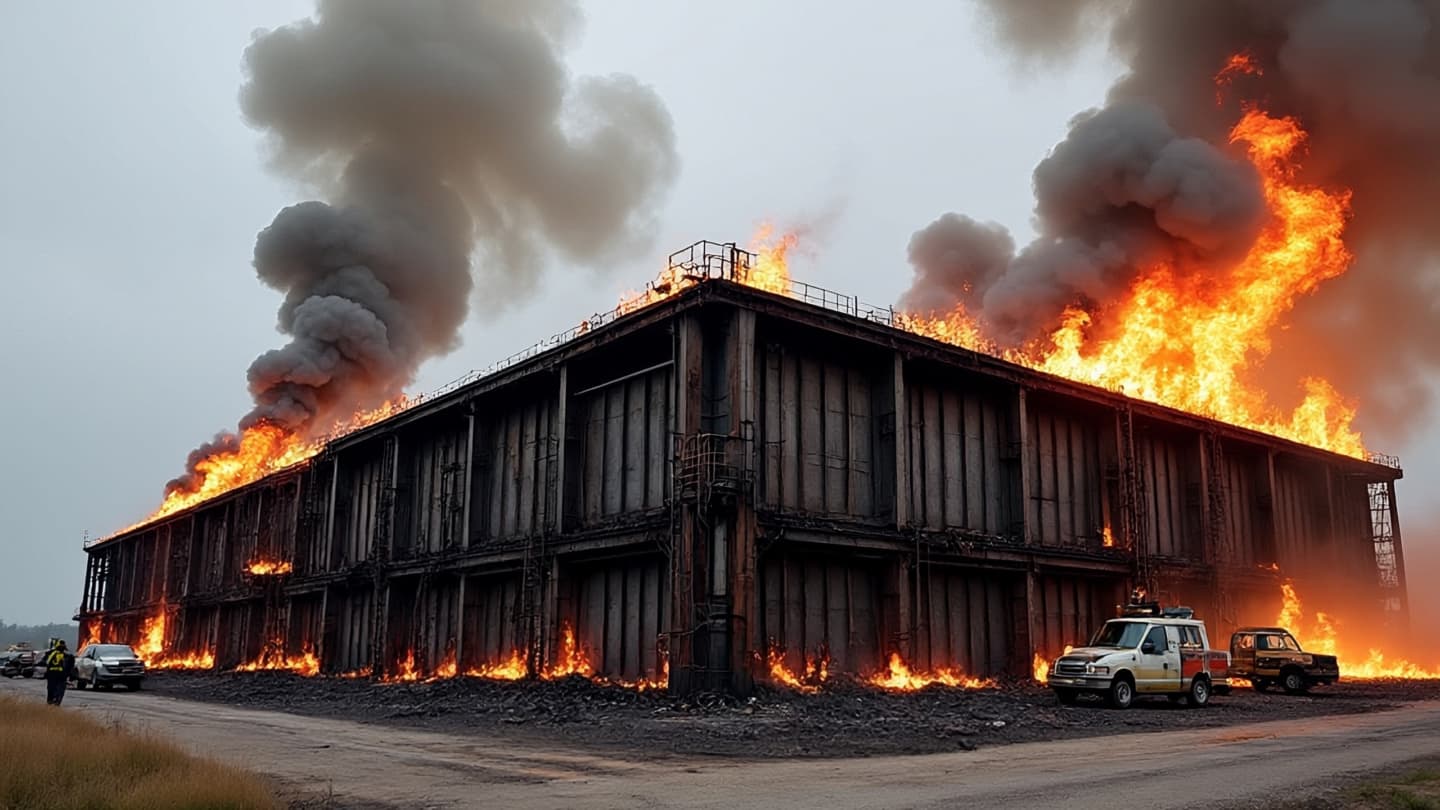
Recent military actions have highlighted the strategic importance of energy infrastructure in conflict zones, where pipelines and refineries become both targets and symbols of broader geopolitical struggles. In the ongoing conflict between Ukraine and Russia, Ukrainian forces have reportedly conducted strikes on key Russian oil facilities, specifically targeting what analysts refer to as a "shadow fleet" of tankers. These vessels are believed to operate under complex networks that allow for the transport of oil despite existing sanctions and regulatory challenges.
The Ukrainian government has indicated that these strikes are part of a larger strategy to undermine Russia's economic and logistical capabilities, particularly those linked to its energy sector. While specific details about the strikes remain sparse, reports suggest significant damage to storage sites and transport assets, which could have far-reaching implications for Russia's oil supply chain.
The term "shadow fleet" describes a group of aging or loosely registered tankers that navigate international waters, often involved in transporting oil in defiance of sanctions. These vessels have gained attention for their role in sustaining trade flows, even as countries impose restrictions on Russian oil exports. Analysts have noted that the existence of such fleets complicates the enforcement of sanctions and highlights the adaptability of global oil markets.
In response to the strikes, Russian authorities have acknowledged incidents affecting their energy infrastructure but have not disclosed the full extent of the damage. Independent monitoring groups and satellite imagery analyses are being employed to assess the impact on the affected facilities and vessels, providing a clearer picture of the situation on the ground.
The energy markets have reacted with caution to these developments, as disruptions in supply chains can lead to fluctuations in pricing and availability. However, experts suggest that the global oil market has demonstrated resilience in absorbing localized shocks, depending on the scale and duration of the disruptions. This resilience may be tested further as the conflict continues to evolve.
The targeting of energy infrastructure is not a new phenomenon in warfare; it reflects a broader trend where economic systems become intertwined with military objectives. Such actions can have implications that extend beyond immediate operational outcomes, influencing international trade dynamics and diplomatic relations. As the situation develops, observers are closely monitoring the potential long-term strategic calculations that may arise from these infrastructure-related strikes.
Both Ukrainian and Russian authorities have yet to provide comprehensive assessments of the situation, leaving international observers to piece together the implications of these military actions. The ongoing conflict underscores the critical role that energy infrastructure plays in modern warfare, shaping both immediate tactical decisions and broader geopolitical strategies.
Authorities and analysts continue to track developments in this area, recognizing that the outcomes of these strikes could significantly influence the trajectory of the conflict and the stability of energy markets worldwide.
Published by Banx Network. This article is part of the Banx decentralized media programme, powered by the BXE token on the XRP Ledger.



