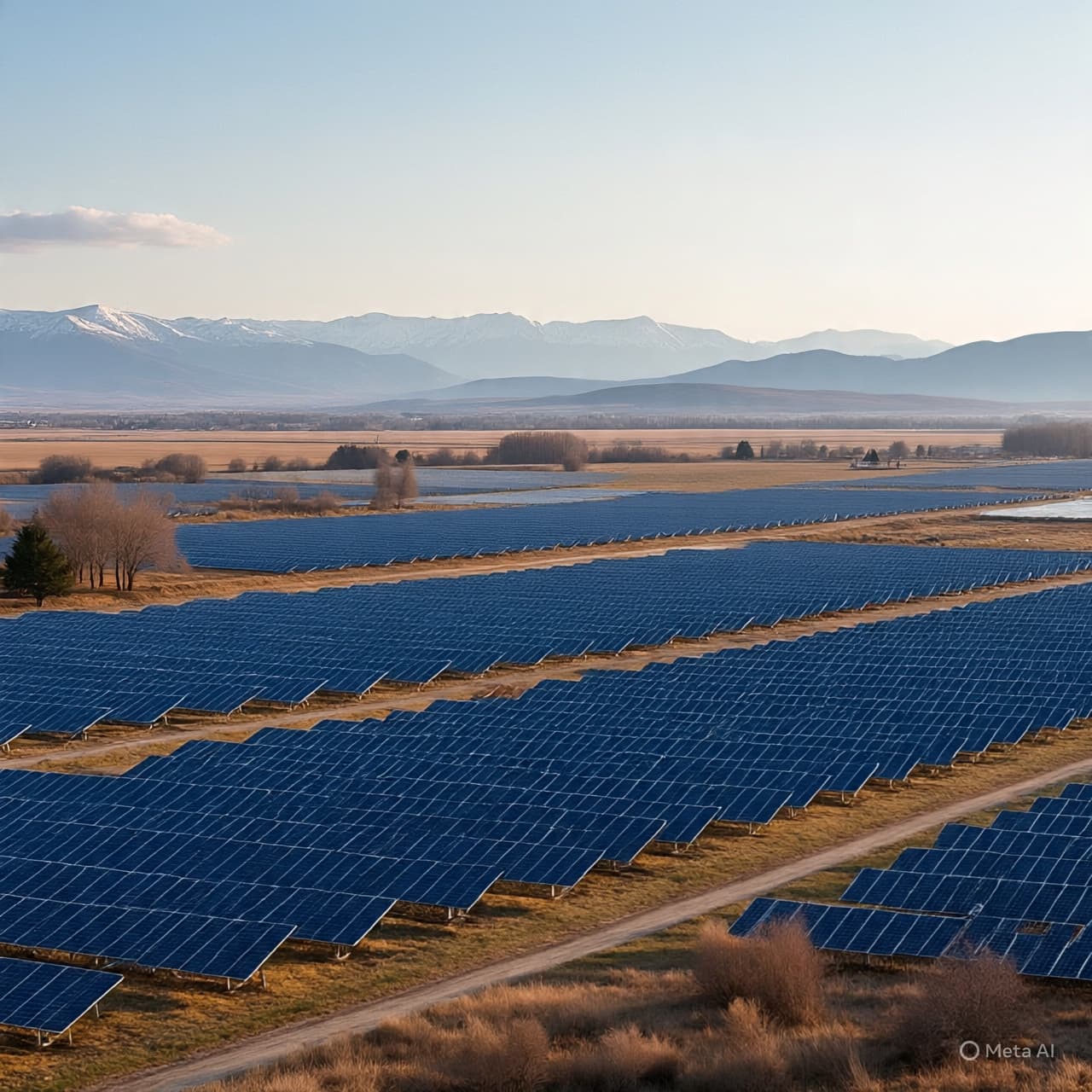
Brazil does not suffer from scarcity of power. Sunlight stretches across its plains, rivers carve steady paths through its interior, and wind sweeps long coastlines with dependable force. In theory, the country could generate enough clean energy to fuel industries, cities, and even the endlessly scrolling appetite of the digital age. In practice, the story has been more complicated.
Brazil has built vast renewable capacity, particularly in solar and wind, at a pace that places it among global leaders. Production potential now regularly exceeds demand during peak generation periods. Yet instead of abundance translating cleanly into progress, bottlenecks have emerged—rooted not in technology, but in geography.
Much of the newest renewable infrastructure was developed in remote regions where land was available and sunlight or wind conditions were ideal. These areas, however, often sit far from population centers, data hubs, and industrial corridors that consume the most electricity. Power, plentiful at the source, struggles to reach where it is needed.
Transmission lines lag behind generation. Grid upgrades move slowly. In some cases, energy is curtailed—produced, but unused—because the system cannot absorb it efficiently. The paradox is stark: a country rich in clean power finds itself constrained by the choices of where that power was built.
Land use adds another layer of tension. Renewable projects have expanded into agricultural zones, Indigenous territories, and ecologically sensitive areas, sparking disputes that delay development and erode public trust. What was framed as green progress sometimes arrives carrying local costs that are hard to ignore.
The result is a growing realization that energy transition is not only about megawatts, but about placement. Where power is generated matters as much as how clean it is. Aligning infrastructure with demand, ecosystems, and communities has become the next challenge.
Brazil’s experience offers a lesson that resonates beyond its borders. Renewable abundance alone does not guarantee smooth transformation. Without careful planning, energy can pile up in the wrong places while shortages persist elsewhere.
None of this diminishes Brazil’s advantage. The resources remain. The capacity exists. What comes next is a quieter, less visible phase of the transition—rewiring grids, rethinking land use, and matching power to purpose.
In that work, Brazil’s energy future will be decided not by how much it can generate, but by how thoughtfully it chooses the ground beneath it.
Published by Banx Network. This article is part of the Banx decentralized media programme, powered by the BXE token on the XRP Ledger.