
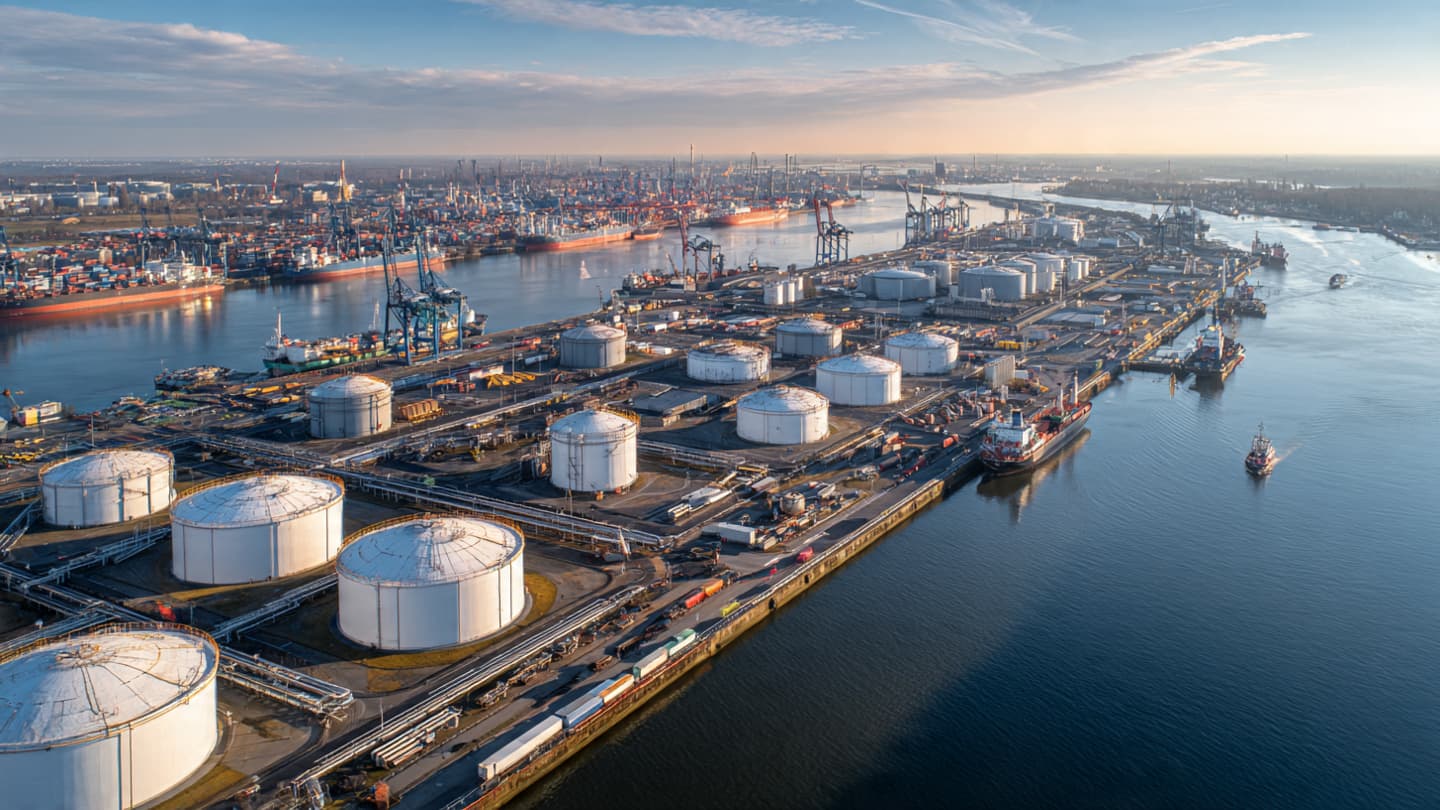
Key Highlights
- Energy supply chains are complex systems connecting extraction, transport, storage, and consumption.
- Recent improvements in maritime logistics are enhancing coordination in energy supply.
- Predictable shipping schedules for oil and LNG are reducing delivery delays.
Energy supply chains represent one of the most intricate systems in the global economy, intricately linking extraction, transport, storage, and consumption across vast distances. These chains are essential for ensuring that energy resources reach their intended markets efficiently and reliably. However, recent developments in maritime logistics are allowing these systems to regain a degree of coordination that had been under significant pressure in recent years.
Shipping schedules for oil and liquefied natural gas (LNG) have become increasingly predictable, which is crucial for reducing delays in downstream delivery. This improvement is not merely a logistical triumph; it has far-reaching implications for the stability of fuel supply across various industries and households. Energy firms are reporting smoother integration between shipping arrivals and their distribution planning, which is vital for maintaining a consistent flow of energy resources.
Analysts emphasize that the coordination of supply chains is often as critical as production capacity itself. In an era where energy demand is fluctuating and geopolitical tensions can disrupt supply, the ability to synchronize shipping and distribution is paramount. This synchronization helps mitigate the risks associated with supply chain disruptions, ensuring that energy remains available when and where it is needed most.
While challenges persist, particularly in volatile regions where political instability can impact logistics, the overall trend is one of gradual stabilization. The global energy system is slowly regaining its rhythm, step by step. As companies adapt to these new logistical realities, the hope is that the improvements in coordination will lead to a more resilient energy supply chain capable of withstanding future shocks.
In conclusion, the recent advancements in maritime logistics signify a positive shift for the energy sector. By enhancing coordination and predictability in shipping schedules, the industry is better positioned to meet the demands of a dynamic global market. As these improvements continue to unfold, they will play a crucial role in shaping the future of energy supply chains worldwide.
Published by Banx Network. This article is part of the Banx decentralized media programme, powered by the BXE token on the XRP Ledger.



