
Key Highlights
- France's energy policy is under intense parliamentary debate.
- The discussion balances renewable energy transition with supply stability.
- Public concerns about energy costs influence policy decisions.
France's energy policy often operates in the background of national discourse, yet its implications are profound, affecting economies and future trajectories. Recently, this topic has surged to the forefront of political discussions as parliamentary tensions reshape how energy decisions are debated and understood. The current climate reflects a significant shift in how energy policy is perceived, moving beyond mere technical choices about infrastructure or supply.
The ongoing discussions in the French parliament are not just about energy supply; they encompass broader themes of national direction, environmental responsibility, and economic resilience. Each policy proposal is now part of a larger conversation about how France positions itself within a rapidly evolving global energy landscape. This shift indicates a growing recognition that energy policy is intertwined with national identity and future aspirations.
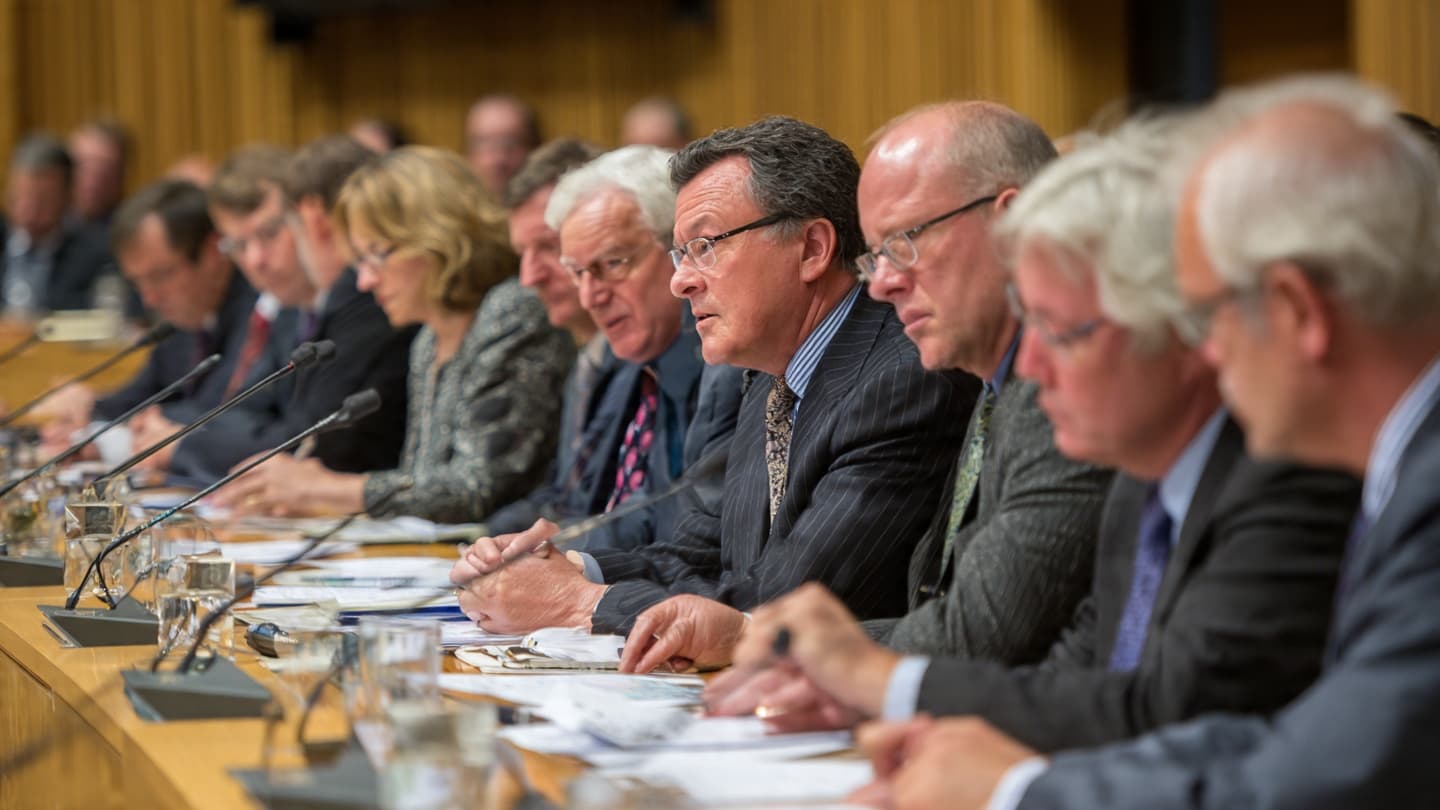
Within the parliamentary debates, complexity has increased, showcasing the differing priorities among political factions. Some members advocate for an urgent transition to renewable energy sources, emphasizing the need for sustainability and environmental stewardship. Conversely, others argue for the necessity of maintaining a stable and affordable energy supply during this transition, highlighting the potential risks associated with rapid changes. This tension is a defining characteristic of the current energy policy discussions in France.
The implications of these debates extend beyond the political arena, as the public closely monitors the outcomes. Energy costs directly impact household budgets and industrial competitiveness, making the stakes of these discussions very real for everyday citizens. As such, the conversation about energy policy transcends ideological boundaries, entering the realm of practical concern for the populace.
Experts emphasize that France's energy strategy must strike a delicate balance between long-term sustainability and short-term stability. This dual requirement often leads to challenging compromises, where advancements in one area may inadvertently create obstacles in another. The complexity of these negotiations reflects the intricate nature of energy policy, where every decision can have far-reaching consequences.
Moreover, the broader European context adds another layer of complexity to France's energy policymaking. Energy markets across the continent are interconnected, meaning that decisions made in France can significantly influence conditions in neighboring countries. This interconnectedness necessitates a collaborative approach to energy policy, as national decisions can reverberate throughout the European energy landscape.
Despite the existing disagreements, the policy process continues through various committees, consultations, and legislative revisions. Each step in this process reflects the ongoing effort to find workable solutions in a politically diverse environment. As France navigates these challenges, energy policy remains not only a technical issue but also a reflection of how a nation negotiates its future amid competing pressures and expectations.
As the debate unfolds, it is clear that energy policy in France is at a critical juncture, with implications that extend far beyond the borders of the nation itself. The outcomes of these discussions will shape not only France's energy future but also its role in the broader European and global context.
Published by Banx Network. This article is part of the Banx decentralized media programme, powered by the BXE token on the XRP Ledger.



