There are moments in public policy when numbers, usually calm and abstract, begin to feel unusually loud. A figure appears on a page and lingers in the air, inviting reflection not only on what it represents, but on what it suggests. The approval of €25 million in vacant property grants has become one such moment, settling uneasily into a wider conversation about housing, responsibility, and trust.
Vacant homes often sit quietly at the edge of national debates, their closed curtains hinting at missed opportunities rather than deliberate choices. When governments introduce incentives to bring these spaces back into use, the intention is usually framed as practical and humane. Empty buildings, after all, do not shelter families or strengthen communities. Yet the recent allocation of substantial grant funding to landlords has unsettled that narrative, prompting questions that drift beyond policy mechanics and into moral terrain.
Critics have described the approval as shocking, not because regeneration is unwelcome, but because of who appears to benefit most. In a housing system under sustained pressure, where affordability and access remain fragile, public money is expected to tread carefully. The perception that significant sums may flow toward property owners already positioned within the market has stirred discomfort, particularly among those who see renters and first-time buyers continuing to struggle.
Supporters of the scheme point to its practical aims. Reviving vacant housing stock can be faster than building anew, and landlords often control properties that can be returned to use quickly. From this perspective, grants are tools rather than rewards, designed to unlock supply wherever it is stalled. The policy, they argue, should be judged by outcomes rather than optics.
Still, the reaction reveals a deeper tension. Housing policy does not operate in a vacuum; it rests on public confidence. When funding decisions appear misaligned with lived experience, even well-intentioned programs can feel distant or unfair. The debate, therefore, is not solely about €25 million, but about how housing priorities are signaled and whose needs are felt to be closest to the center.
As the grants move from approval to implementation, attention is likely to sharpen rather than fade. Oversight, transparency, and measurable results will matter. In a climate where housing remains a defining issue, policies that touch empty homes will continue to carry weight far beyond their balance sheets.
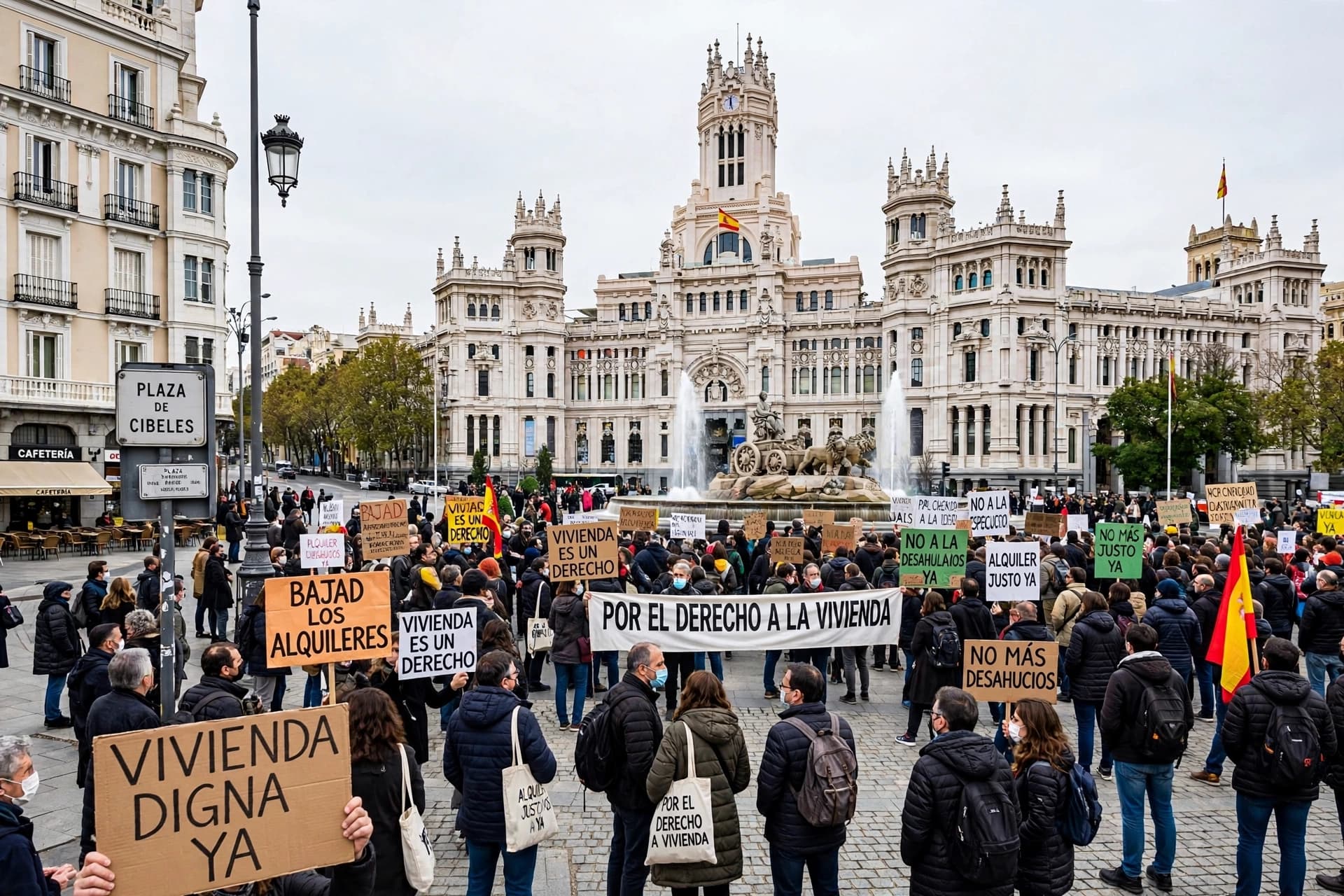
AI Image Disclaimer (Rotated Wording) Graphics are AI-generated and intended for representation, not reality.
Published by Banx Network. This article is part of the Banx decentralized media programme, powered by the BXE token on the XRP Ledger.