
Key Highlights
- Protests in Iran have surged in response to economic hardship and inflation.
- Tens of thousands have rallied across more than 45 cities, demanding change.
- The movement reflects a growing determination among citizens to voice their discontent.
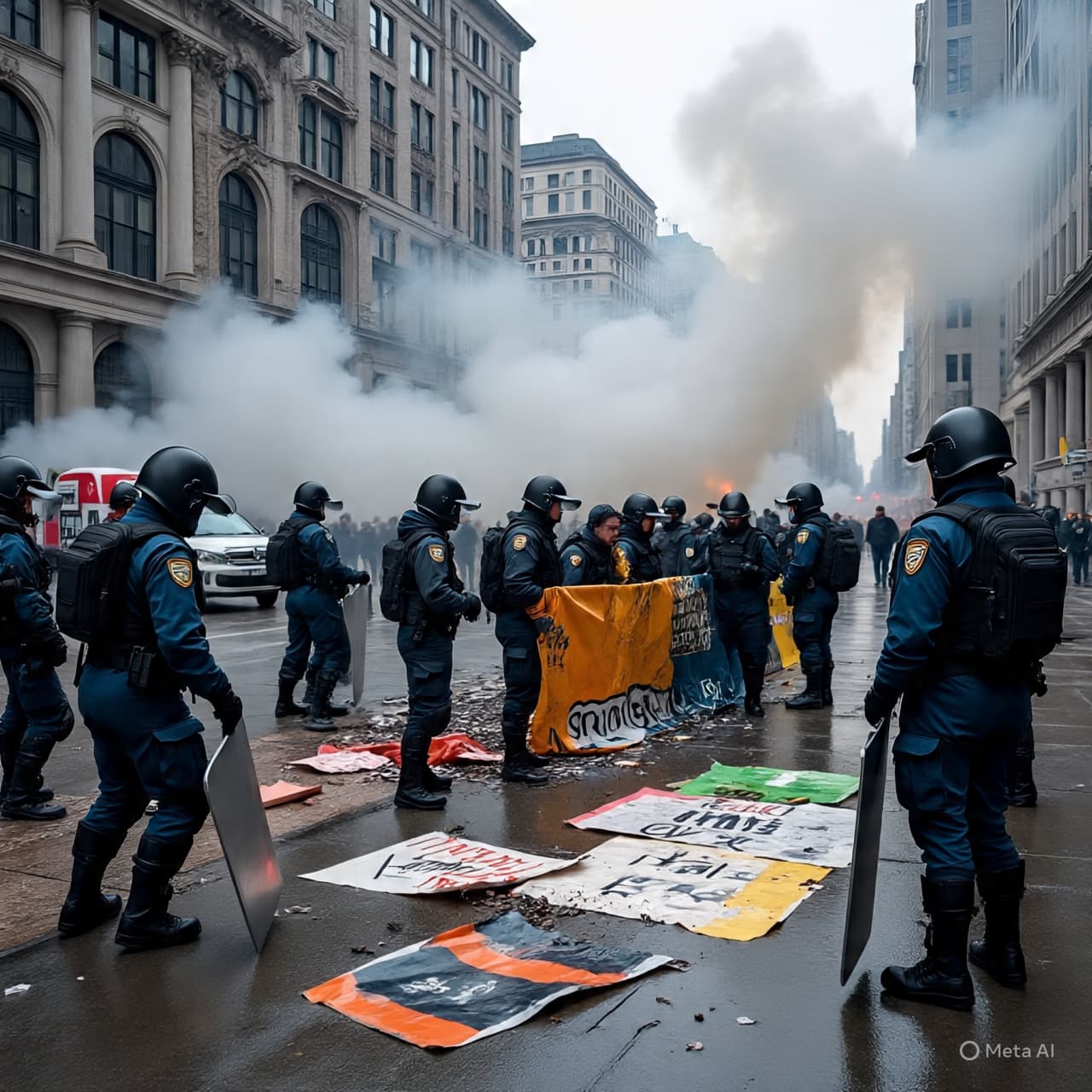
The streets of Iran have transformed into vibrant expressions of public frustration and resolve, as protests against economic hardship and the devaluation of the rial have gained momentum since late December. Initially sparked by shopkeepers in Tehran's Grand Bazaar closing their businesses in protest of soaring inflation, the demonstrations have rapidly expanded to encompass a wide array of citizens, including workers, students, and merchants, all united in their demand for change.
Reports indicate that tens of thousands of people have taken to the streets in over 45 cities, including major urban centers like Tehran, Mashhad, and Isfahan. The protests, which began with economic grievances, have evolved into broader calls for political transformation. Slogans that once focused solely on economic issues now include demands for accountability from the government and a rejection of entrenched leadership.
Despite facing severe crackdowns from security forces, including internet outages and violent confrontations, the resilience of the protesters has been notable. Many have returned to the streets repeatedly, undeterred by the risks involved. This determination reflects a collective agency among Iranians who feel they have little left to lose and much to gain through their activism.
The underlying causes of the protests are deeply rooted in the daily struggles of ordinary citizens. Skyrocketing food prices and diminishing purchasing power have left many feeling hopeless about their future. As the protests continue to spread, they symbolize a significant shift in public sentiment, moving from individual complaints about economic distress to a unified demand for systemic change.
The Iranian government has responded to the unrest with a heavy hand, attempting to stifle dissent through various means. However, the persistence of the protests suggests that the public's resolve is only strengthening. Observers note that this movement could represent a pivotal moment in Iran's socio-political landscape, as citizens increasingly assert their rights and demand accountability from their leaders.
As the situation unfolds, the world watches closely, recognizing that the outcome of these protests could have far-reaching implications not only for Iran but for the broader region as well. The collective will of the Iranian people, fueled by economic strain, may very well shape the future of their nation.
Published by Banx Network. This article is part of the Banx decentralized media programme, powered by the BXE token on the XRP Ledger.



