
Key Highlights
- President Trump asserts U.S. military readiness amid Iran conflict.
- Operation Epic Fury involves joint U.S.-Israeli airstrikes.
- Critics question the clarity of U.S. objectives in the region.
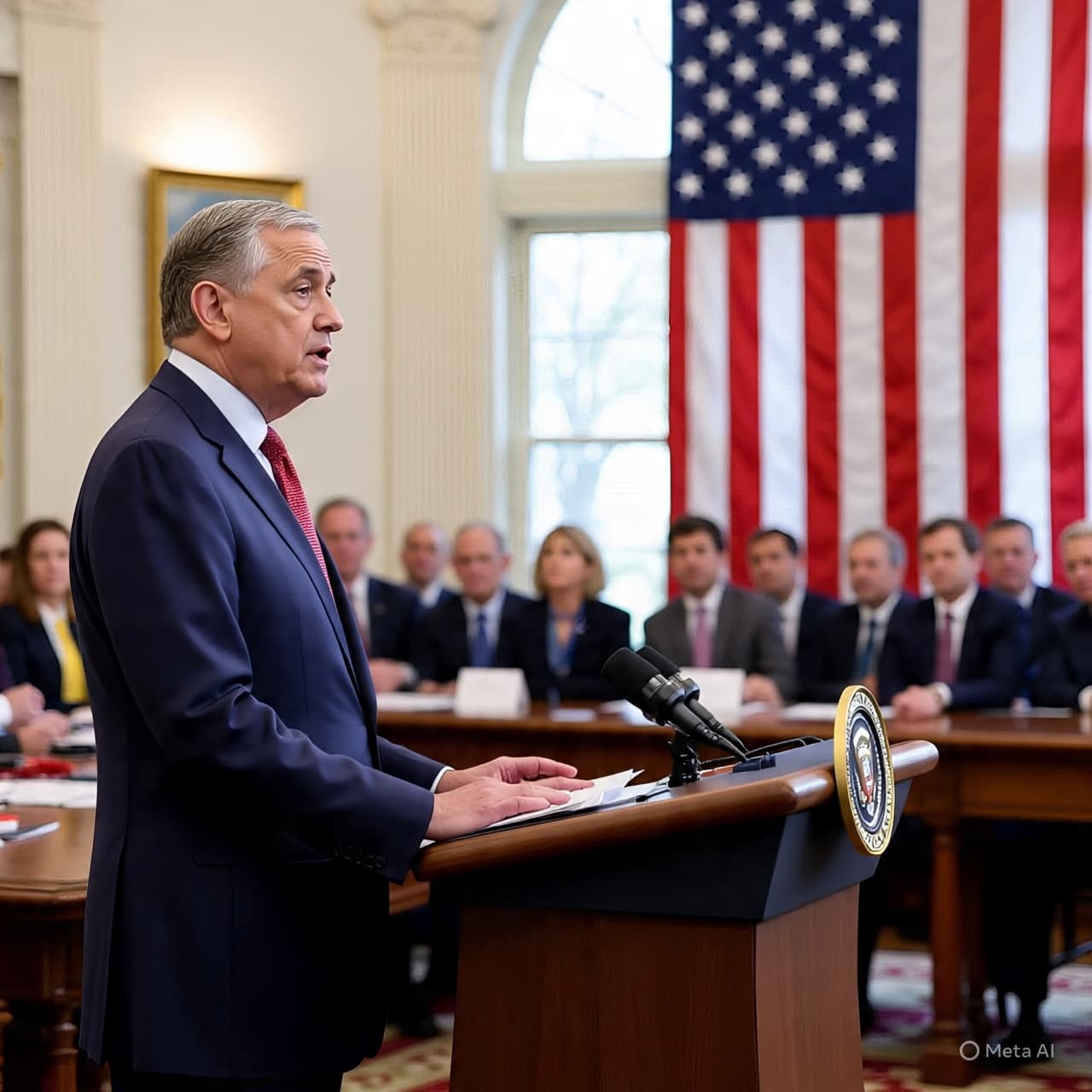
In recent days, the world has witnessed a significant escalation in tensions between the United States and Iran, prompting President Donald Trump to address the nation regarding military operations in the region. Speaking at a White House event, Trump emphasized the U.S. military's readiness and capability to sustain operations as necessary, framing the situation with a blend of resolve and reassurance. His remarks come as the conflict, now referred to as Operation Epic Fury, enters its fourth day, marked by joint airstrikes targeting Iranian military installations.
During his address, Trump asserted that the U.S. possesses a sufficient stockpile of munitions to support long-term military operations if required. This statement reflects a strategic posture aimed at both domestic and international audiences, as the administration seeks to convey strength while also hinting at a willingness to engage in diplomatic discussions with Iranian leadership under the right conditions. However, the president's comments also underscore the unpredictable nature of the conflict, with Trump acknowledging that military operations could extend beyond initial projections of four to five weeks.
The operation has already seen significant military engagement, with U.S. and Israeli forces executing coordinated airstrikes against Iranian targets. In response, Iran has launched retaliatory actions, further complicating the geopolitical landscape. Trump's public statements have been characterized by a fluid narrative, balancing promises of military might with the potential for diplomatic outreach, a duality that reflects the complexities of modern warfare.
Critics of the administration have raised concerns regarding the lack of a clear endgame in the conflict, questioning the legal basis for military action and the potential for escalation. Some lawmakers have called for a more defined strategy, emphasizing the need for congressional authorization for sustained military engagement. Meanwhile, supporters of the president argue that decisive action is necessary to preempt threats to U.S. national security.
The ramifications of the conflict extend beyond military engagements, impacting civilian life and international relations. U.S. embassies in key Gulf states have temporarily closed, and disruptions to airline travel have been reported, illustrating the tangible effects of geopolitical tensions. Civilians in affected regions are grappling with the realities of warfare, as images of deserted streets and closed schools serve as stark reminders of the conflict's impact.
As discussions continue among lawmakers and analysts, the core question remains: how can the U.S. balance its security commitments with accountability to its citizens? The unfolding situation presents a challenge for leaders to articulate a clear vision amid uncertainty, while citizens must navigate the complexities of national pride and the costs of military engagement. As the conflict evolves, the narrative surrounding U.S. involvement in the Middle East will undoubtedly continue to develop, reflecting the intricate interplay of politics, military strategy, and public sentiment.
In the latest updates, President Trump has reiterated his commitment to sustained military operations against Iran, emphasizing that the U.S. is well-equipped to maintain its strategic objectives as the situation unfolds. The conflict's geographical scope has widened, prompting discussions on the implications for regional stability and international diplomacy.
Published by Banx Network. This article is part of the Banx decentralized media programme, powered by the BXE token on the XRP Ledger.



