

Key Highlights
- Drought conditions are affecting communities in Somalia and Indonesia.
- Nearly a million people in Puntland face severe water shortages.
- International organizations are mobilizing support for affected regions.
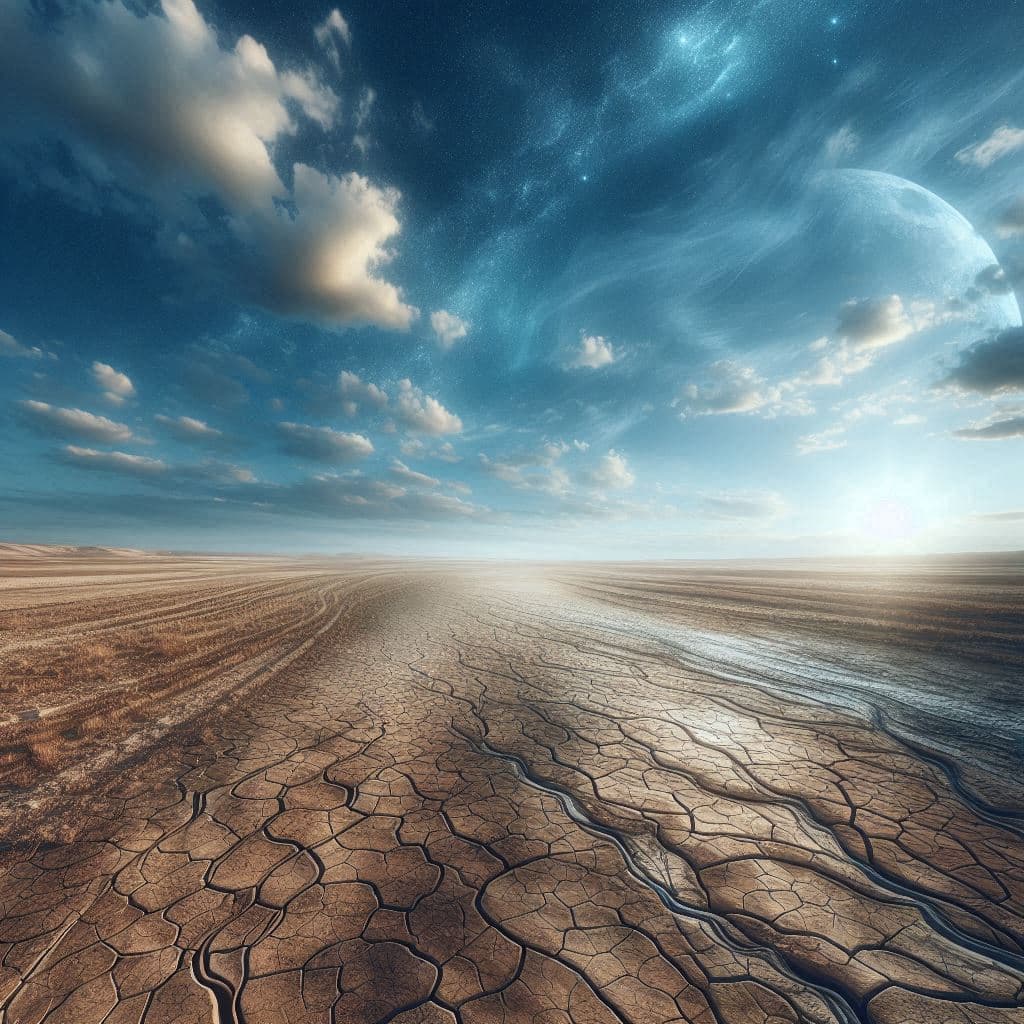
The world is witnessing a growing crisis as drought conditions deepen across various regions, particularly in Somalia and Indonesia. In the half-light before sunrise, the silence over parched lands is palpable, a stark reminder of the urgent need for rain that has yet to arrive. Officials are raising alarms about the severe drought that has gripped these areas, threatening the livelihoods of countless families and communities.
In Somalia, the Mudug region has been particularly hard hit, with local officials reporting that months of insufficient rainfall have led to depleted water sources and eroded pastureland. The impact on livestock is severe, as pastoralists and farmers struggle to cope with the realities of shrinking water points and weakened herds. This situation is not just a statistic; it is a daily struggle for survival for those whose lives are intricately tied to the land.
The Food and Agriculture Organization (FAO) has highlighted that this drought is among the most severe in recent memory, affecting food and water security for families dependent on agriculture. The ongoing dry conditions have led to a significant decline in crop yields and livestock health, raising alarms about the potential for widespread food shortages.
In Puntland, the situation has escalated to the point where leaders are urgently appealing for humanitarian assistance for nearly a million people affected by the drought. These appeals focus on the essentials of life: access to clean water, food supplies, and support systems to help communities navigate this crisis. The urgency of these calls reflects the dire circumstances faced by many, as they confront the reality of a changing climate and its devastating effects.
Meanwhile, in Indonesia, regions like Buleleng in Bali are also experiencing extreme drought conditions. Meteorological services have reported weeks without significant rainfall, leading to concerns over agricultural lands and crop health. Regional disaster agencies are documenting reductions in soil moisture, further exacerbating the challenges faced by farmers in these areas.
As officials issue warnings and mobilize resources, the human element of this crisis cannot be overlooked. The language of drought—terms like “drought index” and “rainfall deficit”—is accompanied by the voices of those affected: farmers watching their crops wither, herders searching for distant water sources, and families grappling with the reality of rationing water. Each story underscores that drought is not merely an environmental issue but a profound human experience.
In response to these challenges, communities are taking action. Water conservation measures are being encouraged, and support services are being mobilized to assist those in need. Long-term strategies to adapt to changing weather patterns are also part of the ongoing discussions among officials and aid partners. As the earth waits for rain, the resilience and resolve of the people continue to shine through, highlighting the importance of vigilance and compassion in the face of adversity.
Published by Banx Network. This article is part of the Banx decentralized media programme, powered by the BXE token on the XRP Ledger.




