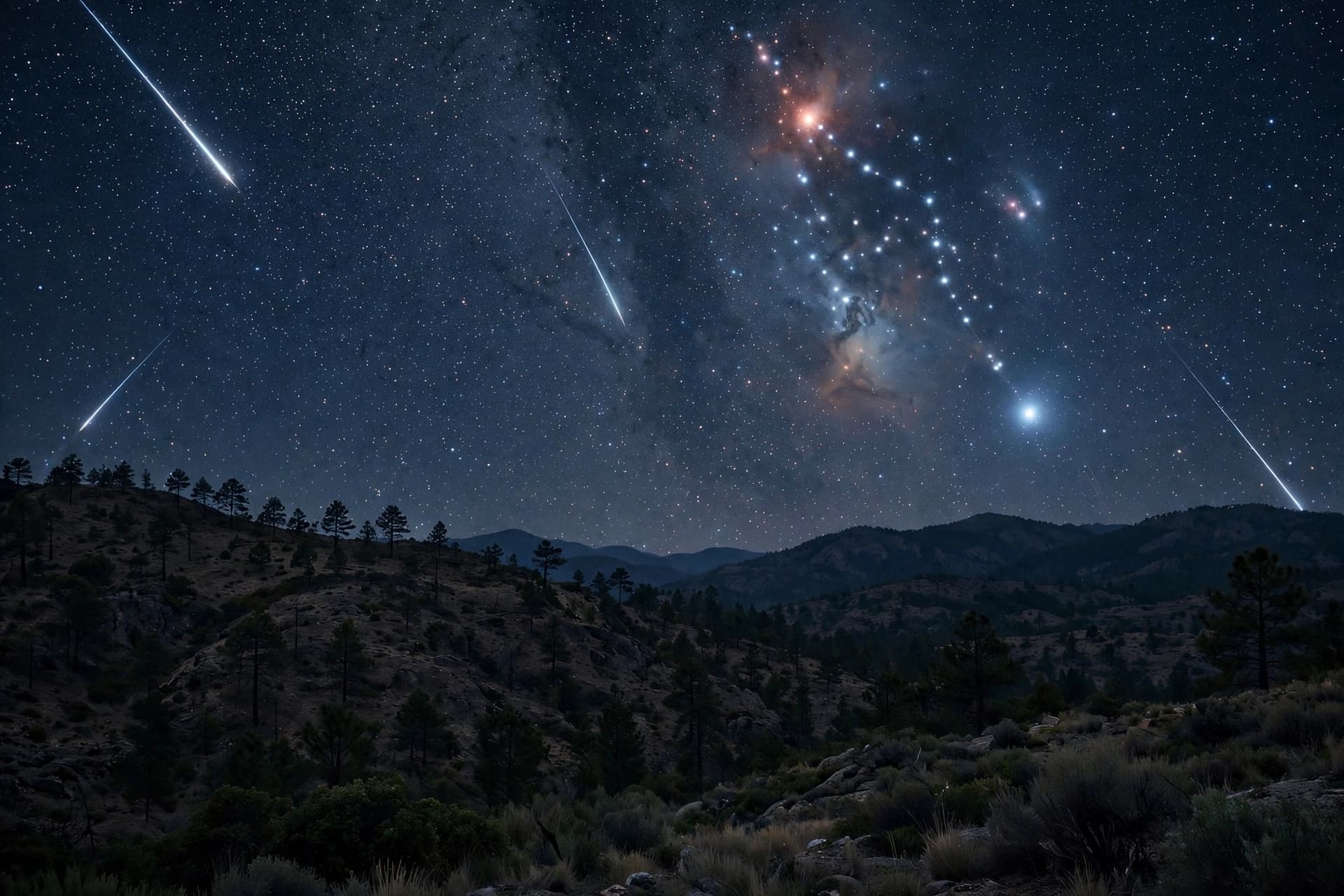
There are nights when the sky seems to pause and listen, as if holding its breath for something rare and momentous. A lunar eclipse is one of those celestial rhythms that feels both ancient and immediate, a dance of shadows and light that has been watched across generations and cultures. In early March 2026, the Moon itself will be invited into this subtle choreography, slipping into Earth’s shadow and, for a brief moment, taking on a gentle, reddish glow — a sight that stargazers often call a Blood Moon. Yet for some places on Earth, this quiet spectacle will unfold just out of view, hidden by the turning of the world and the timing of dawn.
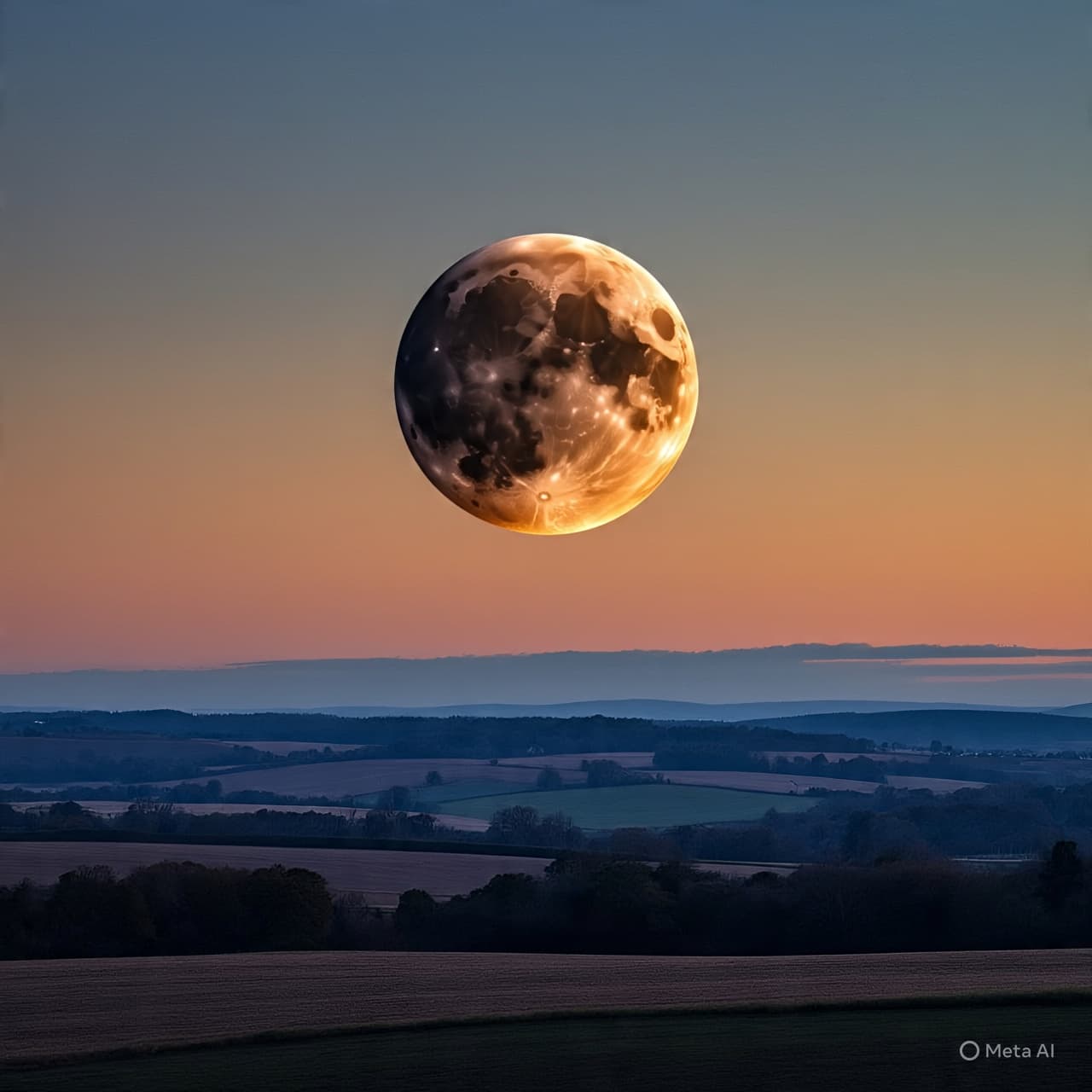
On the night of March 2 into the morning of March 3, the full “Worm Moon” will rise just as Earth moves directly between the Sun and our satellite, casting its broad shadow across the lunar surface. During totality — the phase when the Moon is fully in Earth’s umbra — sunlight filtered through our planet’s atmosphere will reach the lunar surface, bathing it in warm tones of copper and red. This natural phenomenon occurs only when the Sun, Earth, and Moon align perfectly, and it is a gentle reminder of the cosmic proportions that govern even the simplest of night sky views. ([turn0search1], [turn0search2])
For millions of people across the globe, the Blood Moon will be a memorable sight. Regions stretching from western North America across the Pacific, Australia, and into parts of East Asia will see the eclipse in various phases, with totality — often the most dramatic part — lasting about 58 minutes. There will even be rare moments when the rising Sun and eclipsed Moon appear in the sky at the same time, a curious optical occurrence made possible by Earth’s atmosphere bending light in unusual ways. ([turn0search0], [turn0search4])
Yet for much of Europe and Africa, the timing of this event makes direct viewing unlikely. As the eclipse unfolds during the early morning hours in universal time, daylight will already be brightening the sky in many locations across the eastern hemisphere, leaving only the memory of a darkened horizon rather than the sight of the reddened Moon itself. Where clouds and city lights already conspire to dim stars, the lunar shadow will cloak its subtle beauty out of sight. It is a quiet reminder of how our vantage point on Earth — shaped by time zones and rotation — can bring celestial wonders into view for some and gently out of reach for others.
For observers near the Pacific Rim, the eclipse will be an opportunity to witness one of the year’s most evocative astronomical events. Binoculars or a modest telescope can enhance the experience, but the Blood Moon itself will be visible with the unaided eye, offering a link across cultures and continents to the slow, measured rhythms of the sky above. Astronomers and enthusiasts alike will convene on rooftops, beaches, and open fields, simply looking upward to share a moment defined by nature’s own clockwork.
And for those for whom this eclipse remains just beyond the horizon, the event will be witnessed through livestreams and broadcasts that bring distant skies into local awareness, reminding us that even when the Moon hides, our collective curiosity reaches across longitudes and time. In a world where moments can feel fleeting, the Blood Moon stands as a gentle testament to rhythms that bind us all under the same rolling sky.
AI Image Disclaimer “Visuals are created with AI tools and are not real photographs.”
Sources (Listed Per Role) TimeandDate.com, Space.com, Discover Magazine, Old Farmer’s Almanac, LiveScience.
Published by Banx Network. This article is part of the Banx decentralized media programme, powered by the BXE token on the XRP Ledger.