The lights came up on the earnings call the way they always do, voices crisp, numbers ready. Yet beneath the routine cadence of quarterly reporting, there was a sense of shifting emphasis, as if Tesla were less concerned with the road just traveled than with the terrain it hopes to reach next.
Tesla’s fourth-quarter earnings offered a familiar picture of pressure on the core business. Margins remained thin after a year of price cuts, costs stayed elevated, and profits continued to reflect a company navigating a more crowded electric vehicle market. But the conversation quickly moved beyond cars, drifting toward ambition rather than arithmetic.
Elon Musk used the call to outline Tesla’s deepening commitment to artificial intelligence, including plans tied to a roughly $2 billion investment in xAI. The figure, large even by Silicon Valley standards, framed AI not as an accessory to Tesla’s business but as an organizing principle—one meant to unify vehicles, robotics, and data into a single ecosystem.
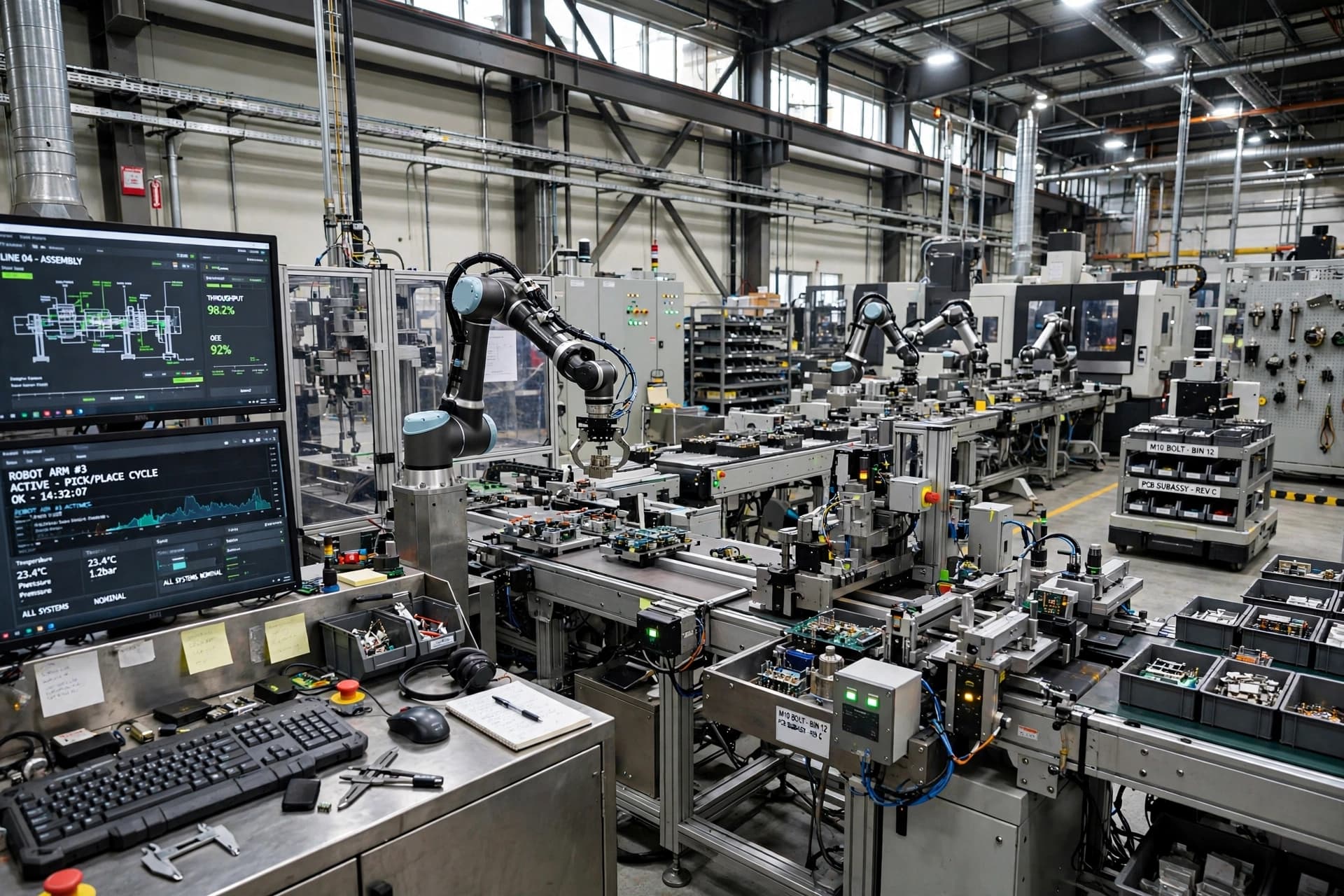
That vision surfaced again in discussion of Optimus, Tesla’s humanoid robot. Musk pointed to progress toward a third major iteration, Optimus 3, describing improvements in dexterity, autonomy, and learning speed. The robot remains early, expensive, and largely unproven at scale, but it has become central to Tesla’s long-term narrative: a bet that labor itself can be automated, not just transportation.
Then came the announcement that reframed the evening. Musk revealed a strategic shift that surprised investors, signaling a clearer separation between Tesla’s near-term financial performance and its longer-term technological wagers. The message was subtle but unmistakable: Tesla is willing to absorb volatility today in exchange for positioning itself as an AI and robotics company tomorrow.
Markets responded with mixed restraint. Some investors welcomed the clarity of ambition; others weighed the risks of capital intensity, execution challenges, and timelines that stretch well beyond traditional valuation models. The earnings themselves mattered, but not as much as the direction implied.
As the call closed, Tesla appeared less like a carmaker reporting quarterly results and more like a laboratory explaining its next experiment. The balance sheet tells one story, the vision another. Between them lies a gap Tesla continues to ask the market to cross on faith.
AI Image Disclaimer
Visuals are AI-generated and are intended as conceptual representations.
Sources
Tesla Reuters Bloomberg Financial Times The Wall Street Journal
Published by Banx Network. This article is part of the Banx decentralized media programme, powered by the BXE token on the XRP Ledger.