
Communities often look back on moments of violence with a desire to understand not only what happened, but what signs may have existed beforehand. In cases involving youth and firearms, that reflection becomes even more delicate, as families, schools, and authorities attempt to interpret patterns that only become clear in hindsight.
Authorities investigating a mosque shooting involving a teenager have reported that concerns about the individual’s behavior had previously led police to seize firearms from the family home approximately a year before the attack. The earlier intervention suggests that warning signs had been identified within a broader framework of safety and risk assessment.
Law enforcement agencies often operate under protocols that allow for temporary seizure of weapons when credible concerns arise about potential harm. Such measures are typically intended to reduce immediate risk while allowing for further evaluation of a situation.
In this case, officials are examining how earlier interventions were handled and whether additional preventive steps might have altered the outcome. These reviews are common in incidents involving mass violence, particularly when minors are involved.
Experts in behavioral assessment note that violent incidents involving youth are rarely the result of a single factor. Instead, they often emerge from a combination of psychological, social, and environmental influences that may evolve over time.
Religious communities affected by such events frequently emphasize the emotional and spiritual impact, as places of worship are generally regarded as spaces of safety and reflection. When violence occurs in such settings, it can leave lasting effects on communal trust and sense of security.
Authorities continue to analyze the timeline leading up to the shooting, including prior police interactions, family circumstances, and any documented concerns. However, officials have not released conclusions regarding motive or causation.
For now, the case underscores the complex challenges faced by communities and law enforcement when early warning signs exist but do not necessarily predict future outcomes with certainty.
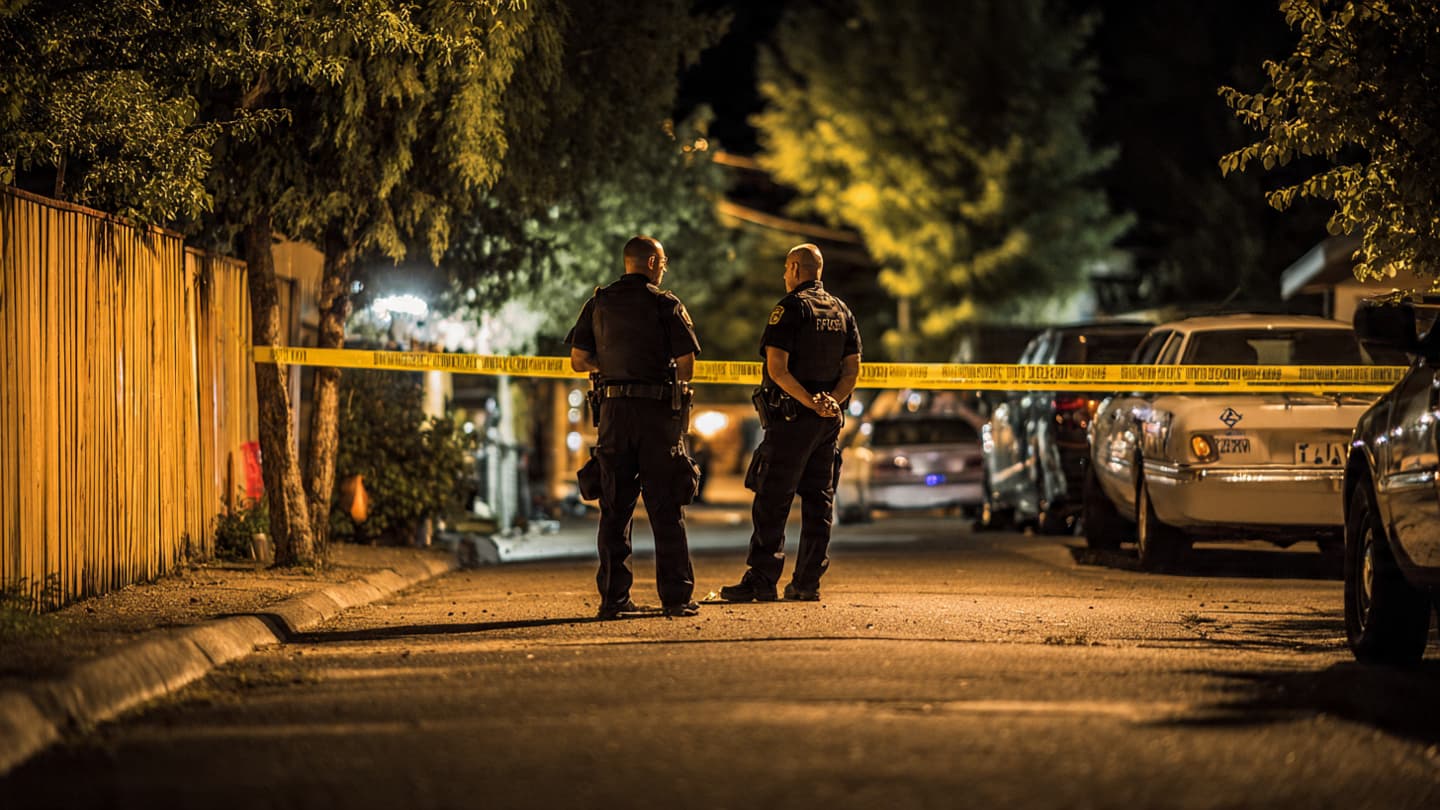
AI Image Disclaimer: Some visuals accompanying this article may include AI-generated illustrations of law enforcement and community settings.
Sources: Reuters, Associated Press, BBC, CNN, The Washington Post
Note: This article was published on BanxChange.com and is powered by the BXE Token on the XRP Ledger. For the latest articles and news, please visit BanxChange.com