There are reports that arrive not as final conclusions, but as carefully drawn maps of a future still in motion—guiding rather than declaring, suggesting rather than deciding. The projection of rising cancer survivorship rates through 2045, driven by advances in new screenings, appears to belong to this quieter category of foresight, where data becomes a way of imagining what healing might look like in the years ahead.
Cancer, as a condition, has long been understood not only in terms of treatment, but also in terms of timing. The earlier it is detected, the more pathways often become available for intervention. In this light, new screening technologies represent something akin to an early signal—an ability to see further into the unfolding of the disease, and to act with greater precision and care.
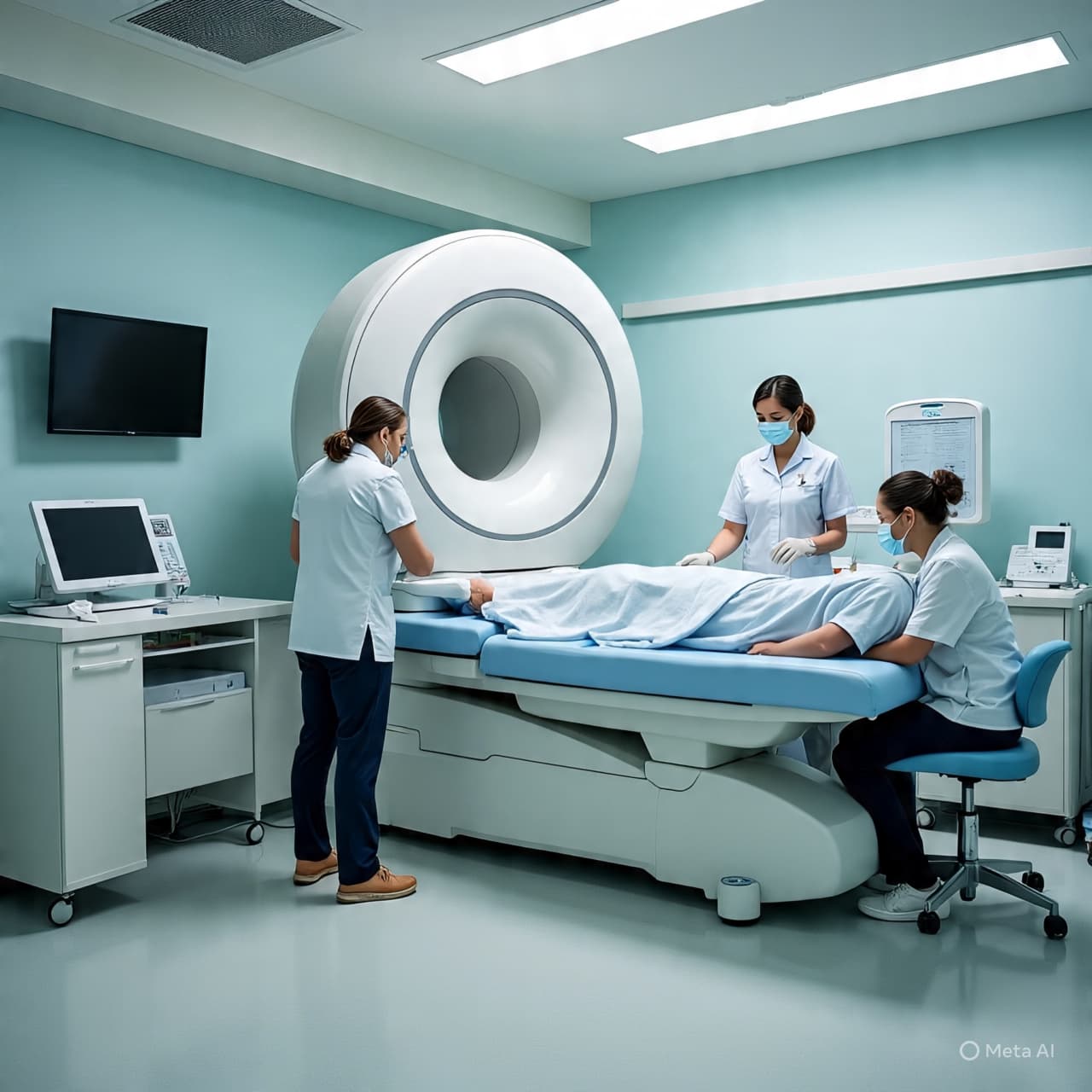
The projection of increased survivorship suggests that this ability to detect earlier may be reshaping outcomes over time. Screening tools, which range from advanced imaging techniques to molecular and genetic analyses, are gradually becoming more refined, allowing healthcare systems to identify risks at stages where intervention can be more effective. It is a shift that emphasizes anticipation as much as response.
In this evolving landscape, survivorship itself takes on a broader meaning. It is no longer solely about overcoming illness, but also about the ongoing journey that follows—monitoring, support, and long-term health management. As more individuals live beyond diagnosis, healthcare systems are adapting to support this extended phase of care, creating frameworks that address both physical and emotional well-being.
There is also a quiet interplay between technology and access. As new screening methods are developed, questions of availability and equity naturally emerge. Ensuring that these advancements reach diverse populations becomes an important part of translating medical progress into meaningful outcomes. The projection of rising survivorship is therefore not just a reflection of innovation, but also of how widely that innovation can be shared.
At the same time, projections such as these carry a sense of measured optimism. They are grounded in current trends, but they also depend on continued progress—both in medical research and in public health implementation. Advances in screening must be matched by systems that can deliver timely diagnosis and care, as well as by awareness that encourages individuals to participate in regular health checks.
The path toward higher survivorship rates is not a single trajectory, but a convergence of many elements—technology, policy, education, and access. Each plays a role in shaping how early detection translates into improved outcomes, and how those outcomes are sustained over time.
In this context, the report serves as a reminder of how far medical science has come, while also pointing toward the work that still lies ahead. It reflects a landscape where earlier detection may lead to earlier intervention, and where that shift, gradually, can alter the broader narrative of cancer care.
As we look toward 2045, the projection stands as both a forecast and an invitation—to continue advancing screening technologies, to expand access, and to deepen understanding. It suggests that survivorship may continue to grow, not through a single breakthrough, but through a steady accumulation of improvements, each contributing to a more hopeful horizon.
Published by Banx Network. This article is part of the Banx decentralized media programme, powered by the BXE token on the XRP Ledger.