The formation of planets is one of the most fundamental processes in understanding how solar systems evolve. Within swirling disks of gas and dust, gravity gradually gathers material, shaping the worlds that eventually orbit stars.
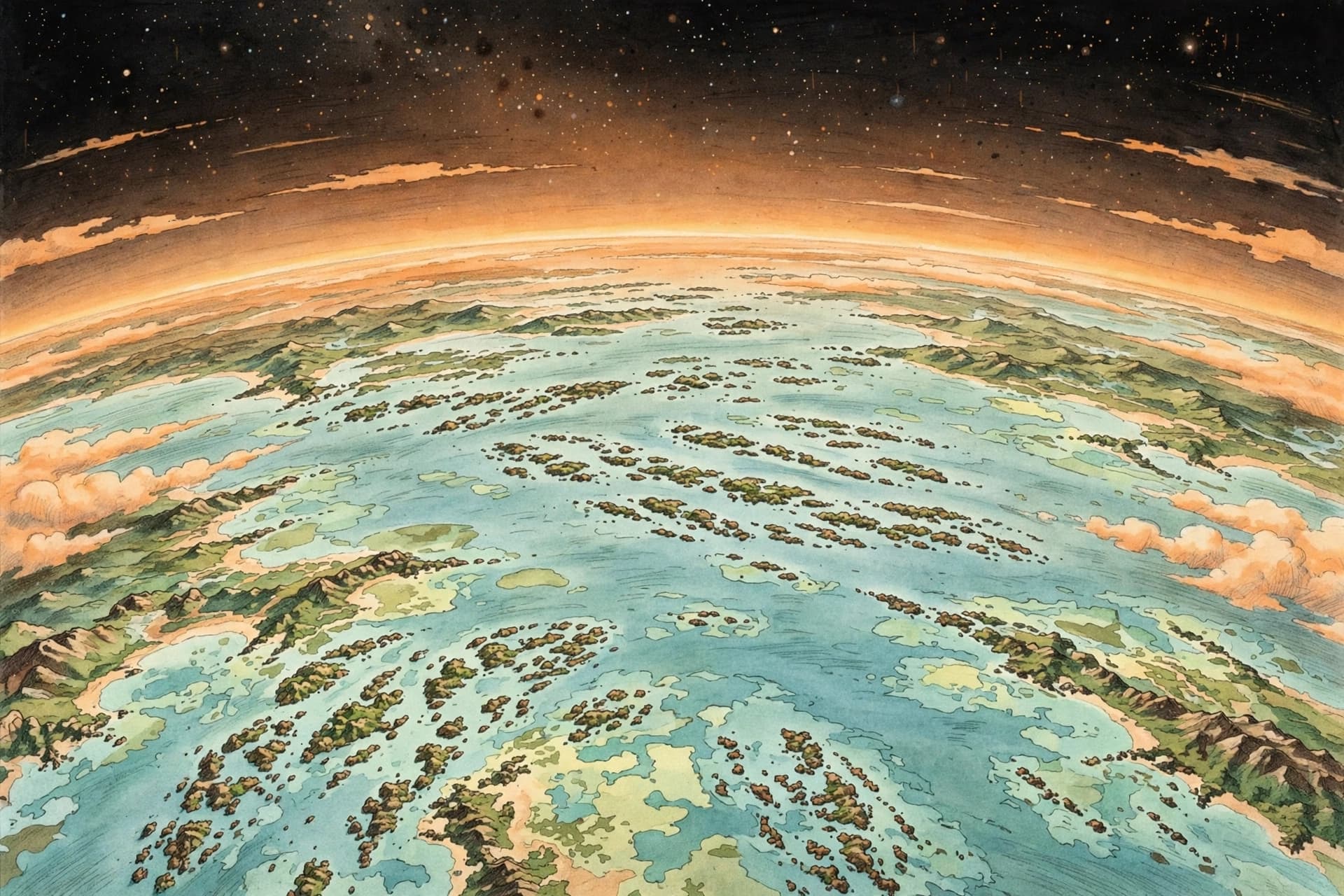
Recent astronomical observations have identified regions within a protoplanetary disk near Jupiter that appear to be actively forming planetary structures, often described by researchers as a “planet factory.”
These regions contain dense concentrations of dust and gas, where gravitational interactions begin to form larger bodies over time. The process is slow, unfolding over millions of years, yet it lays the foundation for planetary systems.
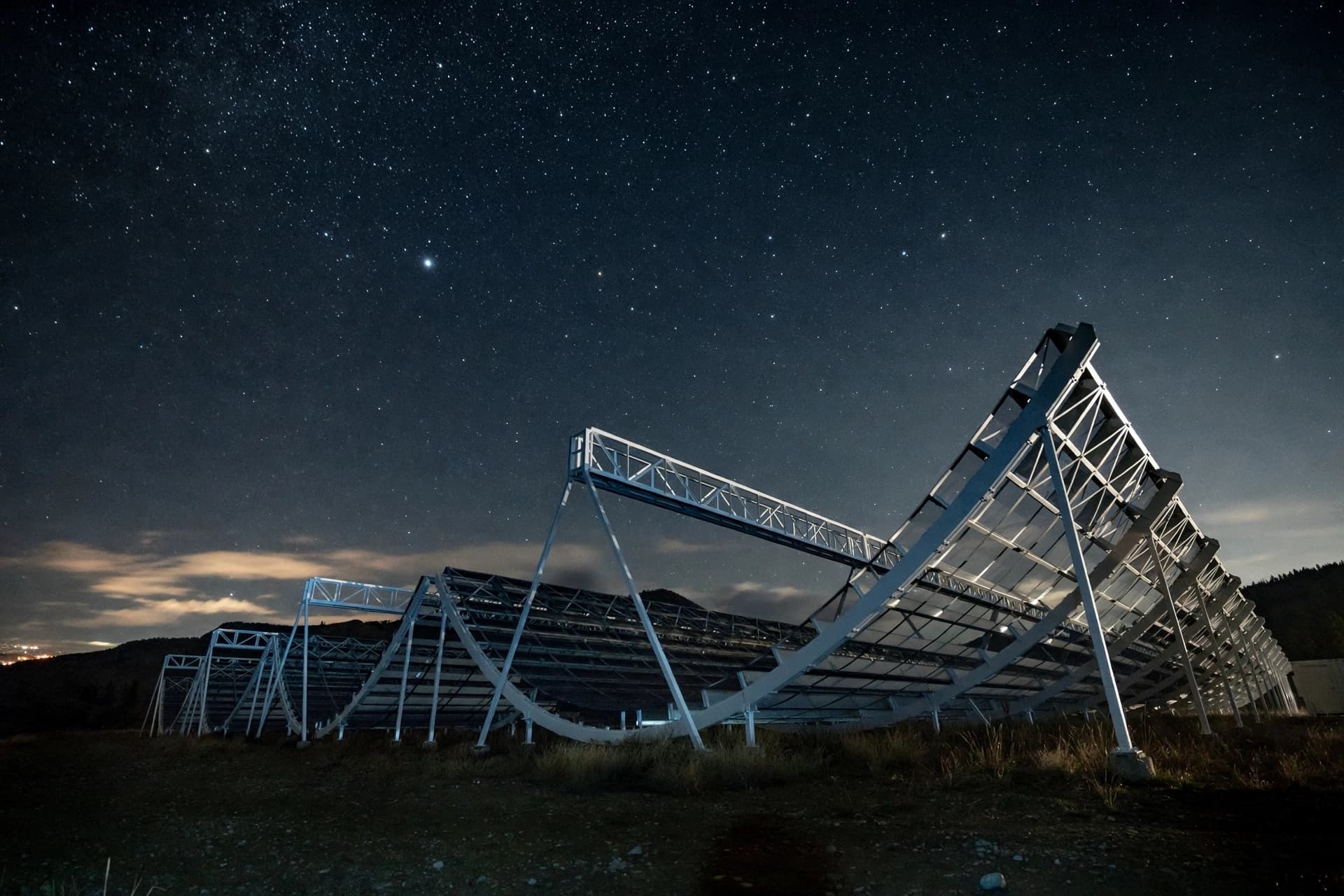
Scientists study these environments using advanced telescopes capable of detecting faint emissions and structural patterns within distant star systems.
The discovery provides valuable insight into how early planetary systems like our own may have developed, offering a glimpse into conditions that existed billions of years ago.
Understanding these formation zones helps researchers refine models of planetary evolution, including how rocky planets and gas giants emerge from the same initial material.
While direct observation of planet formation is challenging due to the vast timescales involved, these regions serve as natural laboratories for studying cosmic development.
In conclusion, the identification of active planet-forming regions highlights the ongoing processes that continue to shape planetary systems across the universe.
AI Image Disclaimer: Images are AI-generated conceptual illustrations intended for editorial and educational use.
Source Verification Check: NASA, ALMA Observatory, Nature Astronomy, Space.com, Science Daily
Published by Banx Network. This article is part of the Banx decentralized media programme, powered by the BXE token on the XRP Ledger.