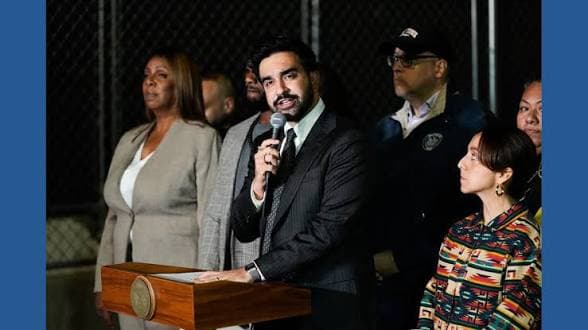
In a striking twist of irony, Rutgers University professor Mark Bray, often referred to by critics as “Dr. Antifa,” has fled the United States for Spain after claiming that his home address had been doxxed and his family threatened. The same digital warfare tactic Bray once analyzed as a political tool has now, according to him, driven him into exile.
Bray rose to prominence as the author of “Antifa: The Anti-Fascist Handbook,” a controversial work that explores the movement’s ideology and defends certain forms of activism, including doxxing — the act of publicly revealing private information about opponents — as a defensive measure against extremism.
Now, however, the professor finds himself on the receiving end of the very practice he once examined. In interviews and public statements, Bray has said that relentless online harassment, the exposure of his personal address, and credible threats to his family’s safety made it impossible to remain in the U.S. He reportedly relocated to Spain seeking privacy and security, far from the heated political climate that surrounded his work.
The situation underscores a growing paradox in modern political activism: the fine line between accountability and retaliation. Doxxing, once heralded by some as a way to unmask hate groups or extremists, has increasingly become a weapon used by all sides, turning political disagreements into personal wars fought with data and exposure.
For critics, Bray’s move highlights the consequences of normalizing such tactics. For supporters, it’s a cautionary reminder that the online battlefield spares no one — not even its early theorists.
As digital conflict grows more vicious and ideological divides deepen, the Mark Bray story stands as a case study in the volatile power of information — and the dangers that come when the hunter becomes the hunted
Published by Banx Network. This article is part of the Banx decentralized media programme, powered by the BXE token on the XRP Ledger.