Sometimes change arrives not with ceremony, but with a quiet administrative turn, the kind that only later reveals how much ground has shifted. Canada’s decision to open its market to Chinese-made electric vehicles carries that subtle weight. On paper, it is a recalibration of tariffs. In practice, it reshapes the pathways through which cars, capital, and competition may soon travel.
As the door opens, Tesla appears positioned to step through first. The company’s Shanghai factory already produces vehicles that meet Canadian standards, and its sales and service footprint across the country is firmly in place. While other Chinese manufacturers remain largely absent from Canadian streets, Tesla occupies an unusual middle ground, an American brand with a Chinese manufacturing base ready to move quickly.
The policy shift replaces a once-prohibitive tariff with a quota system, allowing a defined number of Chinese-built electric vehicles into Canada at significantly lower duties. For consumers, this hints at greater choice and potentially more competitive pricing. For automakers, it creates a race not only of technology, but of timing. Those prepared to act early may shape perceptions long before rivals arrive.
Tesla’s advantage lies less in novelty than in readiness. Its supply chains are tested, its brand familiar, and its vehicles already known to Canadian buyers. In a market where infrastructure, incentives, and public acceptance are still evolving, familiarity carries its own quiet power. The company does not need to introduce itself; it simply needs to deliver.
The broader context, however, remains complex. Canada’s move reflects a recalculation of trade relationships at a moment when electric vehicles have become as political as they are industrial. Supporters see opportunity in aligning climate goals with consumer access. Critics, particularly in the United States, worry about the strategic implications of deeper Chinese manufacturing ties in North America.
Yet markets often respond not to debates, but to openings. For now, Tesla’s position suggests a likely early gain rather than a guaranteed long-term victory. As other manufacturers study the landscape and policy details continue to evolve, today’s advantage could narrow. Still, in the first moments after the gate has lifted, Tesla stands closest to the threshold, ready to move while others are still deciding how to approach.
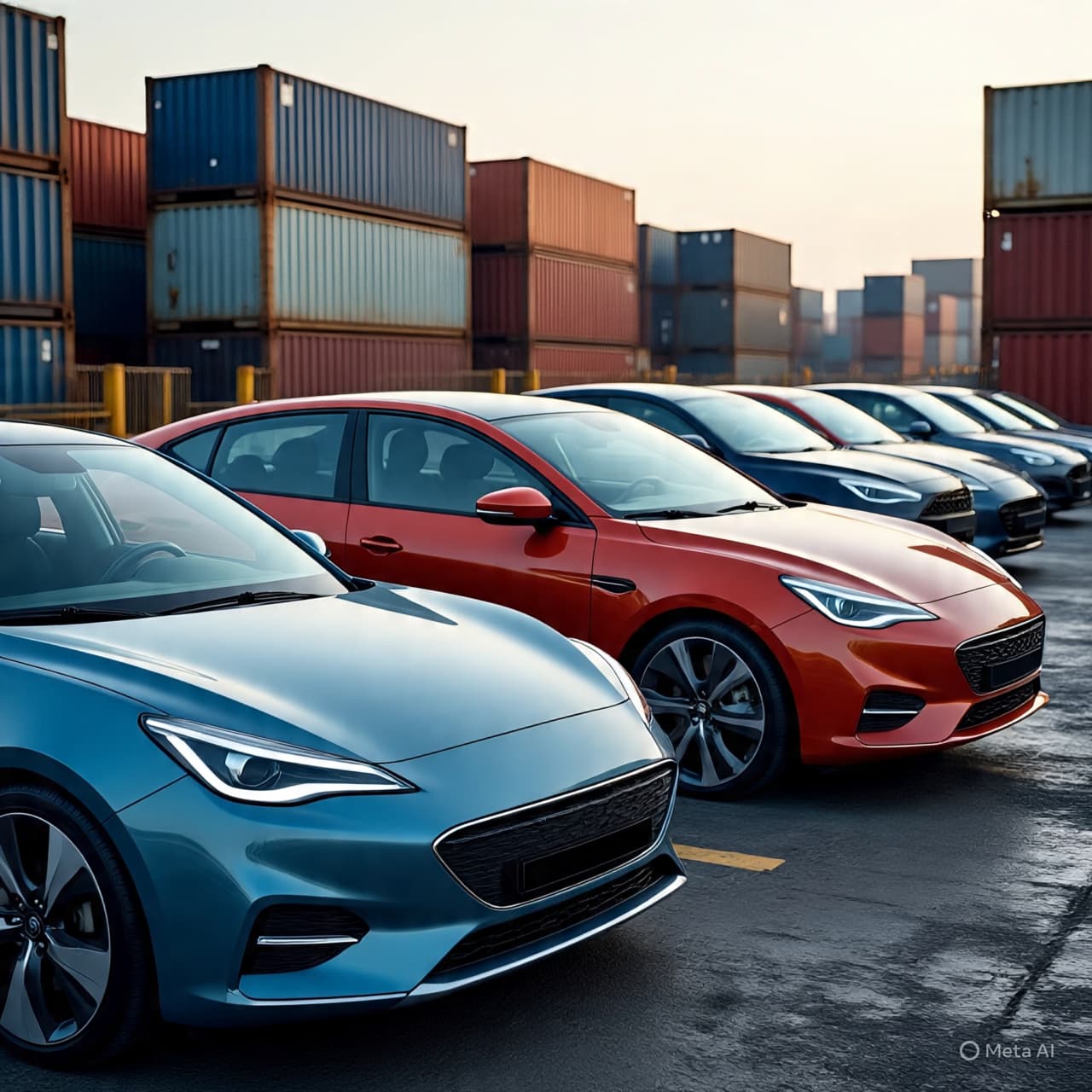
AI Image Disclaimer Visuals are created with AI tools and are not real photographs.
Sources Reuters Bloomberg Yahoo Finance Financial Times The Globe and Mail
Published by Banx Network. This article is part of the Banx decentralized media programme, powered by the BXE token on the XRP Ledger.