There are moments in medicine when progress does not arrive with fanfare, but with quiet accumulation. A test refined here, a record updated there, a database slowly learning the patterns hidden in human code. In hospitals across England, such quiet work is now unfolding, as the NHS turns to genetics not as a distant promise, but as a practical tool for foresight.
The NHS is expanding a national cancer gene database designed to help identify people at higher risk of developing certain cancers. By analyzing genetic variations linked to inherited conditions, clinicians hope to spot danger earlier, sometimes long before symptoms appear. It is an approach that shifts cancer care slightly upstream, from reaction toward anticipation.
The database brings together genetic data from patients who have undergone testing through NHS services. Conditions such as inherited breast, ovarian, bowel, and prostate cancers are among those in focus. By pooling information at scale, researchers can refine risk estimates, identify previously unknown gene links, and improve the accuracy of advice offered to patients and their families.
For individuals, this may mean tailored screening schedules or preventative treatments that reflect personal risk rather than population averages. For families, it can offer clarity where uncertainty once lingered, allowing relatives to make informed decisions about testing and monitoring. Health officials emphasize that participation follows strict consent rules, with data protections built into the system.
The initiative also reflects broader pressures facing cancer care. Earlier diagnosis remains one of the most effective ways to improve survival rates, yet traditional screening cannot reach everyone at the right time. Genetics, used carefully, offers another lens—one that complements scans and blood tests rather than replacing them.
Still, the NHS has acknowledged the need for caution. Genetic information carries emotional weight, and not every elevated risk leads to illness. Clinicians are being trained to communicate results with care, ensuring that knowledge empowers rather than alarms.
As the database grows, NHS leaders say it will continue to be evaluated and refined, guided by both scientific evidence and patient experience. In the steady work of decoding risk, the goal remains simple: to find cancer sooner, treat it better, and where possible, prevent it altogether.
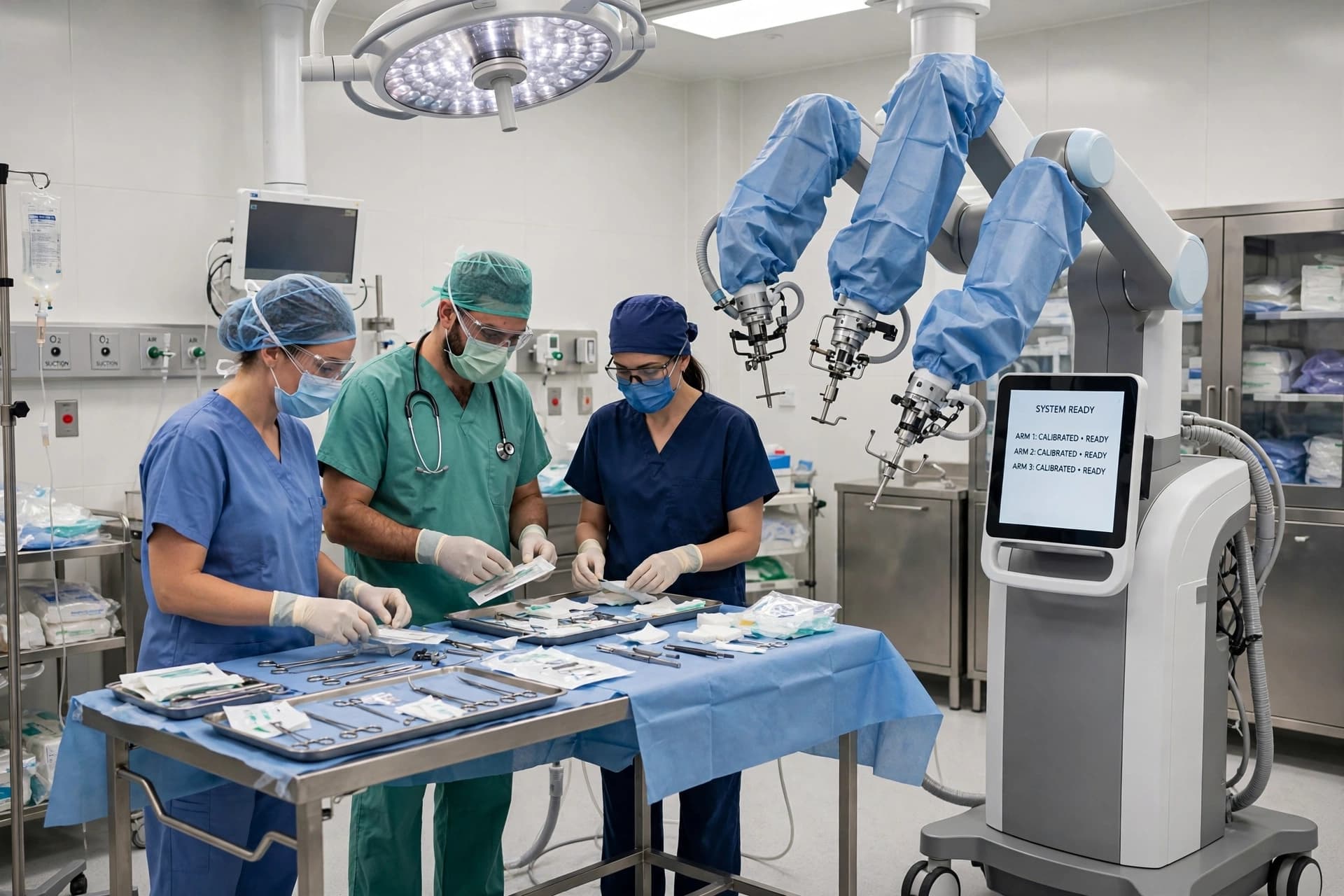
AI Image Disclaimer (Rotated Wording) Graphics in this article are AI-generated and intended for representation rather than real-world documentation.
Source Check (Credible Media & Institutions) Strong, credible reporting does exist on this topic. Relevant mainstream and niche sources include:
National Health Service (NHS) BBC News The Guardian Reuters Financial Times
Published by Banx Network. This article is part of the Banx decentralized media programme, powered by the BXE token on the XRP Ledger.