Banx Media Platform logo
SCIENCESpaceClimateMedicine Research

When distant worlds quietly expand the map of the universe

Astronomers discovered 118 new exoplanets using telescope data and AI analysis, expanding understanding of distant planetary systems.

O

Oliver

EXPERIENCED
5 min read
7 Views
Credibility Score: 84/100
When distant worlds quietly expand the map of the universe

The night sky has always invited curiosity, but only recently has humanity gained the tools to turn that curiosity into detailed discovery. The identification of new exoplanets expands that sense of wonder even further.

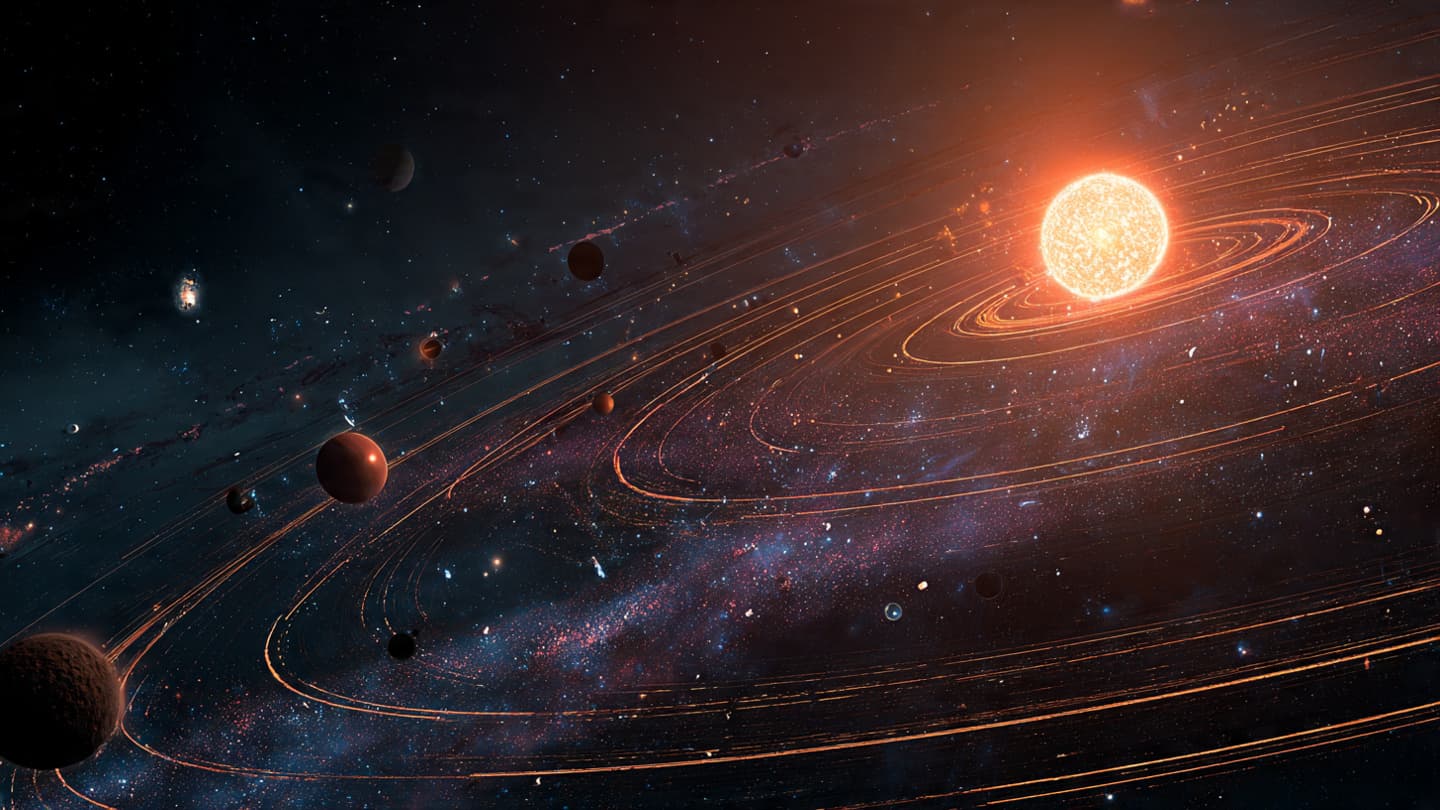
Astronomers have confirmed the detection of 118 new exoplanets using advanced observation data, including machine-learning analysis applied to space telescope readings.

These planets exist beyond our solar system, orbiting distant stars that appear as faint points of light when viewed from Earth. Each discovery adds another piece to the vast puzzle of planetary formation.

Some of these exoplanets are gas giants, while others are smaller and more rocky in composition, expanding the diversity of known planetary types.

The detection process relies heavily on subtle changes in starlight, where small dips in brightness can indicate a planet passing in front of its host star.

Modern AI systems have significantly improved the ability to identify these patterns, allowing researchers to process massive datasets more efficiently than before.

While these planets are far beyond current exploration capabilities, their study helps scientists understand how common planetary systems like our own might be across the galaxy.

As the catalog of known exoplanets continues to grow, each discovery brings humanity a little closer to understanding its place in the broader cosmic landscape.

AI Image Disclaimer: All visual representations are AI-generated and intended for illustrative storytelling purposes.

Sources (media names only): NASA Exoplanet Archive, ESA, Space.com, Nature Astronomy

Published by Banx Network. This article is part of the Banx decentralized media programme, powered by the BXE token on the XRP Ledger.

#Exoplanets #SpaceDiscovery
Decentralized Media

Powered by the XRP Ledger & BXE Token

This article is part of the XRP Ledger decentralized media ecosystem. Become an author, publish original content, and earn rewards through the BXE token.

Newsletter

Stay ahead of the news — and win free BXE every week

Subscribe for the latest news headlines and get automatically entered into our weekly BXE token giveaway.

No spam. Unsubscribe anytime.

Share this story

Help others stay informed about crypto news

Related articles

Keep exploring the latest stories.

View more
 Courage and Discovery: Celebrating the Artemis Astronauts

Courage and Discovery: Celebrating the Artemis Astronauts

Artemis II astronauts received the nation's highest space honor for their successful lunar flyby, marking a significant milestone in the return to Moon explora…

Inside the Dynamo: How Gallium Reveals Planetary Secrets

Inside the Dynamo: How Gallium Reveals Planetary Secrets

A liquid gallium experiment has successfully confirmed key flow regimes predicted to exist inside rapidly rotating stars and planets, validating models of magn…

Reading the Fossils of Stars: Hubble’s Galactic Discovery

Reading the Fossils of Stars: Hubble’s Galactic Discovery

Hubble Space Telescope data has resolved a mystery regarding the ages of globular clusters, showing that the Milky Way’s oldest stars formed in a brief, intens…