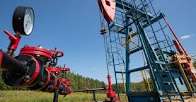
In the quiet hours before dawn, when the first light of a new day stretches over distant horizons, the world often seems at peace — a fragile tapestry woven of routine and expectation. But like ripples spreading outward from a stone dropped in still water, distant upheavals can reach shores we thought untouched. In late February, as the Middle East became once more the focus of headlines, the reverberations of conflict extended far beyond its borders and whispered of uncertainty for an intricate global economy. When the United States and Israel launched coordinated strikes against targets in Iran, what had been days of mounting geopolitical tension crystallized into a new phase of confrontation. Leaders spoke in measured yet somber terms, and markets — those often stoic arbiters of collective expectation — registered unease. Brent crude, a benchmark for global energy prices, edged higher as traders factored in the possibility of supply disruptions and a wider regional escalation. Oil is more than a commodity; it is the lifeblood of industry and transport, threading through every economy from bustling cities to rural plains. Iran’s place in that tapestry, while diminished compared with its heyday, still matters — a producer of millions of barrels daily, with strategic access to the Strait of Hormuz, the maritime artery through which nearly one-fifth of the world’s crude flows. Disruption there, even the threat of it, can send a shiver through markets, nudging prices higher and prompting central banks and investors to recalibrate expectations. In financial centers from New York to Singapore, desks hummed with models and scenarios. Would prolonged conflict spook investment? Could inflationary pressures resurface if energy costs climbed higher? Economists suggested that a short-lived confrontation might see oil settle around existing elevated levels, but a broader disruption — especially to Iranian supply or the critical shipping route — could push prices toward even greater peaks, with knock-on effects on global growth and cost of living. Yet amid the figures and forecasts, there remains a human dimension that defies easy quantification: the unease of individuals watching prices creep upward at the pump; business owners monitoring supply-chain costs; policymakers balancing the imperative of stability against the unpredictability of conflict. These are the subtle threads that connect distant skirmishes to daily life and remind us that economies are not abstractions, but living networks sensitive to the currents of geopolitics. As diplomats and leaders call privately and publicly for restraint, and as markets digest the latest developments, one thing is clear: the ripples of this conflict reach far beyond the initial flash of explosions. The challenge now is not only to monitor prices and portfolios, but to seek avenues for de-escalation and dialogue that might soothe anxieties and preserve the delicate harmony on which global prosperity depends. In the coming days and weeks, oil markets, investment flows, and national economies will reveal the first concrete contours of this impact. Analysts will track price movements and revise forecasts; policymakers will convene discussions aimed at stability; and the wider world will watch, mindful that even far-off events can cast long economic shadows.
AI Image Disclaimer (rotated wording)
Visuals are created with AI tools and are not real photographs.
---
Sources (Credible Mainstream/Niche)
Reuters Associated Press The Guardian LiveMint Euronews
Published by Banx Network. This article is part of the Banx decentralized media programme, powered by the BXE token on the XRP Ledger.