
Key Highlights
- Rising Tensions:The conflict in Iran is escalating, impacting global energy markets.
- Fuel Price Concerns:Indonesia, a net importer of crude oil, faces potential increases in fuel costs.
- Broader Economic Impact:Higher energy prices could lead to increased costs for essential goods.
The world sometimes feels like a vast ocean where distant storms quietly stir unseen currents. A clash thousands of kilometers away may seem like a separate story—another headline from another land. Yet history often reminds us that when the winds of conflict rise in one corner of the globe, the waves can travel farther than expected, sometimes reaching even the smallest shores.
In recent weeks, the escalating conflict involving Iran has begun to ripple through global energy markets. Oil prices, which act almost like the bloodstream of modern economies, respond quickly to geopolitical tremors. When uncertainty surrounds major oil-producing regions, traders react, supply routes tighten, and prices begin to climb. For countries that depend on imported energy, such movements are rarely just numbers on financial screens—they can quietly shape the rhythm of everyday life.
Indonesia, like many nations, sits within this delicate web of global supply chains. As a net importer of crude oil, fluctuations in international energy prices can quickly translate into domestic concerns. Government officials have warned that if tensions continue to intensify in the Middle East, the pressure on global oil prices could grow stronger. In turn, this could affect fuel costs and the state budget, particularly because fuel subsidies remain an important tool for stabilizing domestic prices.
Yet fuel prices are only one part of a broader chain reaction. Energy costs are deeply intertwined with the movement of goods. When fuel becomes more expensive, transportation costs follow. Trucks delivering vegetables, ships carrying wheat, and factories producing packaged foods all rely on energy. The result can be a gradual rise in the price of everyday necessities—from cooking oil and soybeans to wheat-based products and meat.
There are also concerns about disruptions to vital shipping routes. One of the most sensitive passages in global energy trade is the Strait of Hormuz, a narrow waterway through which a significant share of the world’s oil supply flows. Any disruption there can tighten global supply and push prices upward, sending ripples across international markets. Analysts note that even the possibility of disruption can make energy markets uneasy.
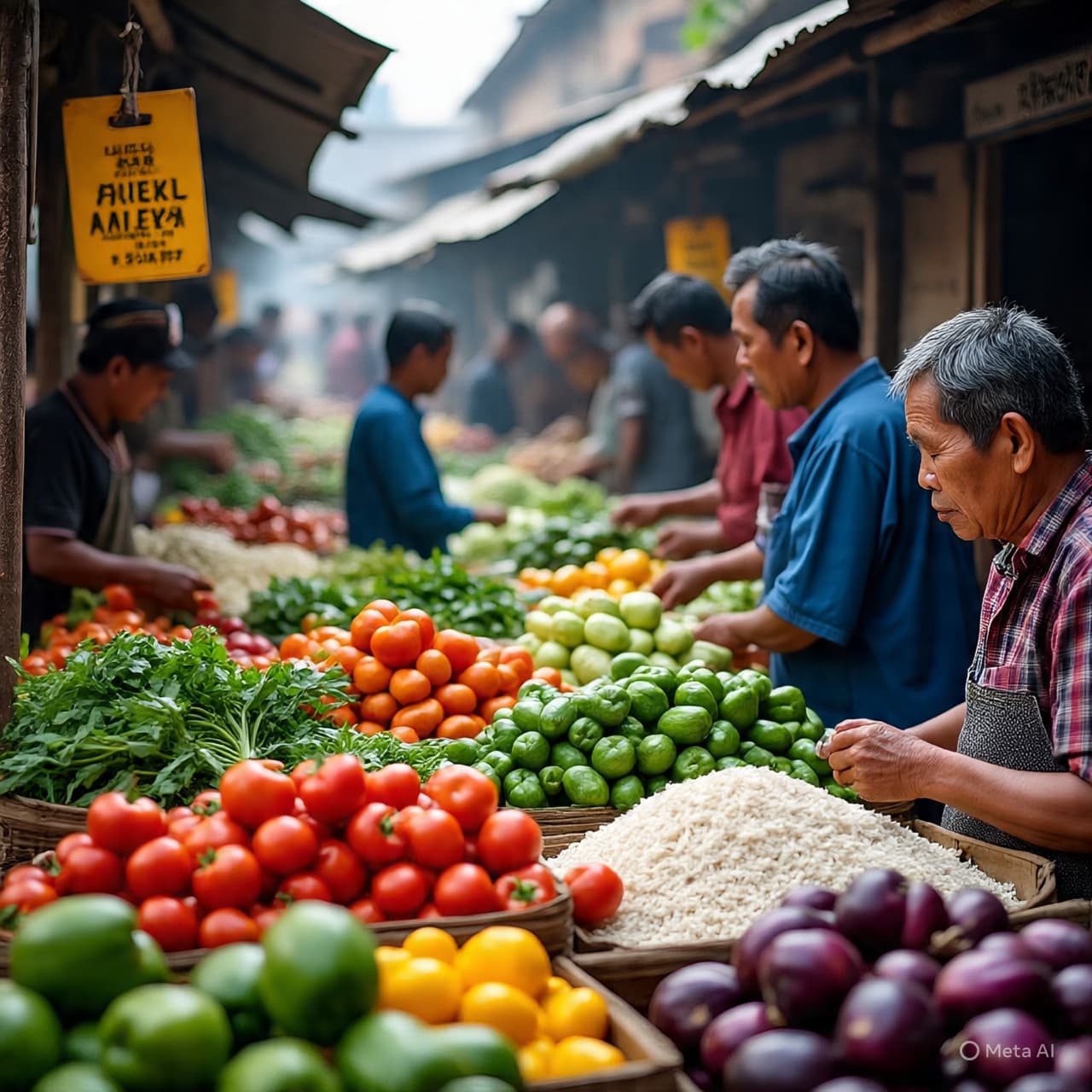
For ordinary households, these global dynamics can feel abstract until they begin to appear in daily expenses. A slight increase in fuel prices can affect public transportation fares. Higher logistics costs may gradually influence the price tags in traditional markets and supermarkets. For families carefully balancing their monthly budgets, even modest increases can become noticeable.
At the same time, policymakers continue to monitor the situation closely. Officials have indicated that subsidized fuel prices are not expected to rise immediately, as the government evaluates global conditions and considers measures to maintain economic stability. Maintaining subsidies, however, comes with its own challenges, as higher global oil prices can increase the burden on the national budget.
Economists often describe this moment as a delicate balancing act. Governments must protect purchasing power while managing fiscal pressures, all within a global environment shaped by forces beyond their borders. The choices are rarely simple, especially when markets respond faster than policy can move.
In the end, the story unfolding today may serve as another reminder of how interconnected the modern world has become. A conflict unfolding in distant deserts can ripple through shipping lanes, fuel markets, and supply chains before quietly reaching neighborhood markets and household kitchens.
For now, the future remains uncertain. The path of global prices will depend largely on how the geopolitical situation evolves. Yet amid the uncertainty, one truth remains clear: in a world woven tightly together by trade and energy, even distant storms can sometimes be felt at home.
Published by Banx Network. This article is part of the Banx decentralized media programme, powered by the BXE token on the XRP Ledger.



