
Key Highlights
- Iran claims military operations against U.S. interests in the Gulf.
- Bahrain reports drone activity, heightening regional security measures.
- International observers urge restraint amid rising tensions.
The waters of the Persian Gulf have long been a conduit for more than just commerce; they are steeped in history, rivalry, and moments of uncertainty. Recently, the region has once again captured international attention following Iran's claims of military operations targeting facilities linked to the United States, coinciding with reports of drone activity in Bahrain.
Iranian officials announced that military operations had been executed against what they termed facilities associated with American interests. These claims surfaced amid already heightened tensions in the Middle East, where ongoing regional conflicts and geopolitical rivalries continue to intersect. The Iranian government’s assertions have raised alarms among international observers, who worry that such isolated incidents could escalate into broader confrontations.
In Bahrain, authorities reported incidents involving drones and have activated security measures in response. The Gulf nation, which hosts significant Western military assets, remains on high alert as instability in the region persists. The Bahraini government’s swift response underscores the precarious nature of security in the area, where the potential for conflict looms large.
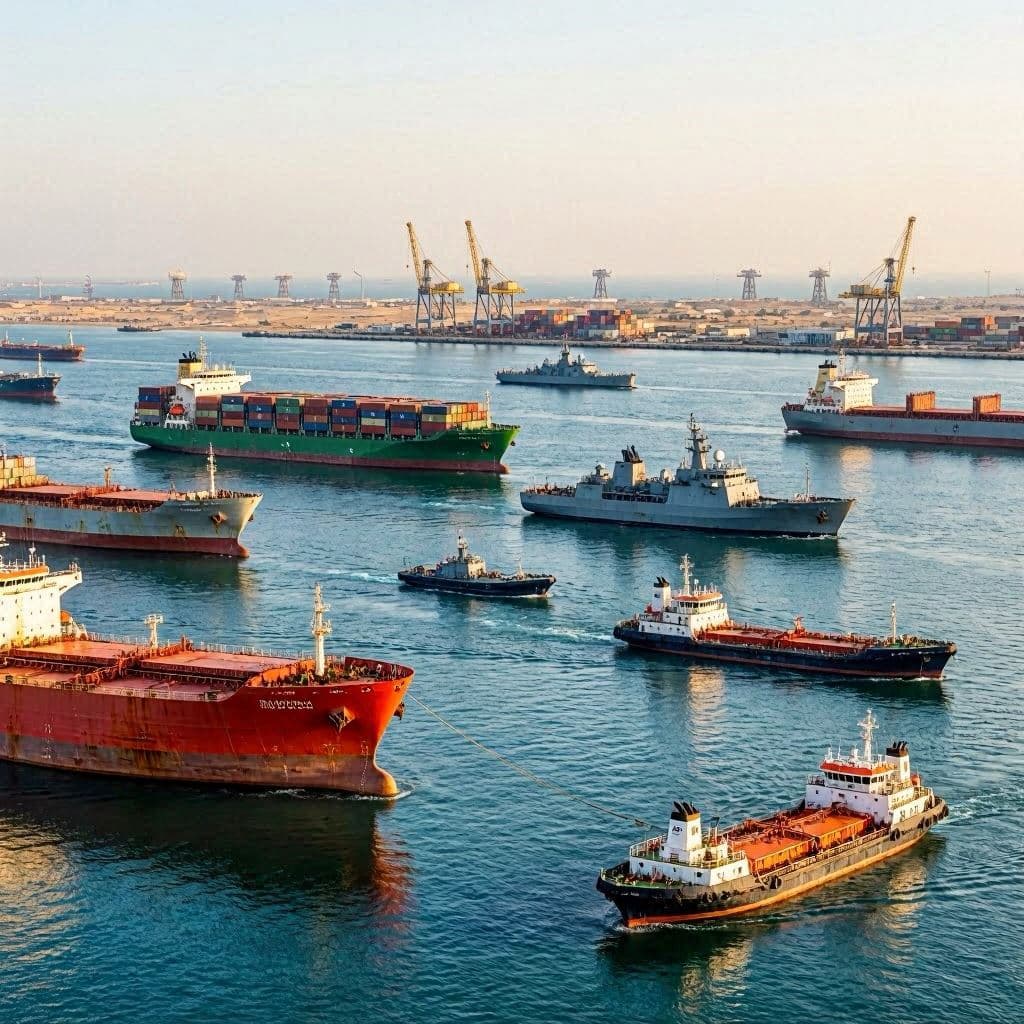
The developments have prompted renewed concern among global leaders and security analysts, who emphasize the Gulf's strategic importance for global energy markets and international shipping routes. Any escalation affecting maritime security could have far-reaching consequences, impacting not only regional stability but also global economic interests.
While the United States has not publicly confirmed all aspects of Iran's claims, American officials are closely monitoring the situation. Washington has reiterated its commitment to protecting personnel and ensuring freedom of navigation in international waters, a stance that reflects its longstanding interests in maintaining stability in the Gulf region.
Several regional governments have called for diplomatic engagement, arguing that dialogue is essential to prevent further deterioration of the situation. Historical precedents have shown how quickly tensions can escalate in the Gulf when communication channels weaken, making diplomatic efforts all the more critical.
For many residents across the Gulf, the recurring episodes of instability highlight the urgent need for lasting diplomatic solutions. While military posturing often dominates headlines, the path to long-term stability relies on sustained political engagement and regional cooperation. As international attention remains focused on the Gulf, governments will be assessing the evolving security landscape and pursuing strategies to prevent further escalation.
Published by Banx Network. This article is part of the Banx decentralized media programme, powered by the BXE token on the XRP Ledger.



