

Key Highlights
- Eight Muslim-majority nations issued a joint statement condemning Israeli actions in the West Bank.
- The declaration describes recent measures as illegal and detrimental to peace prospects.
- The statement reflects a collective commitment to Palestinian self-determination and international law.
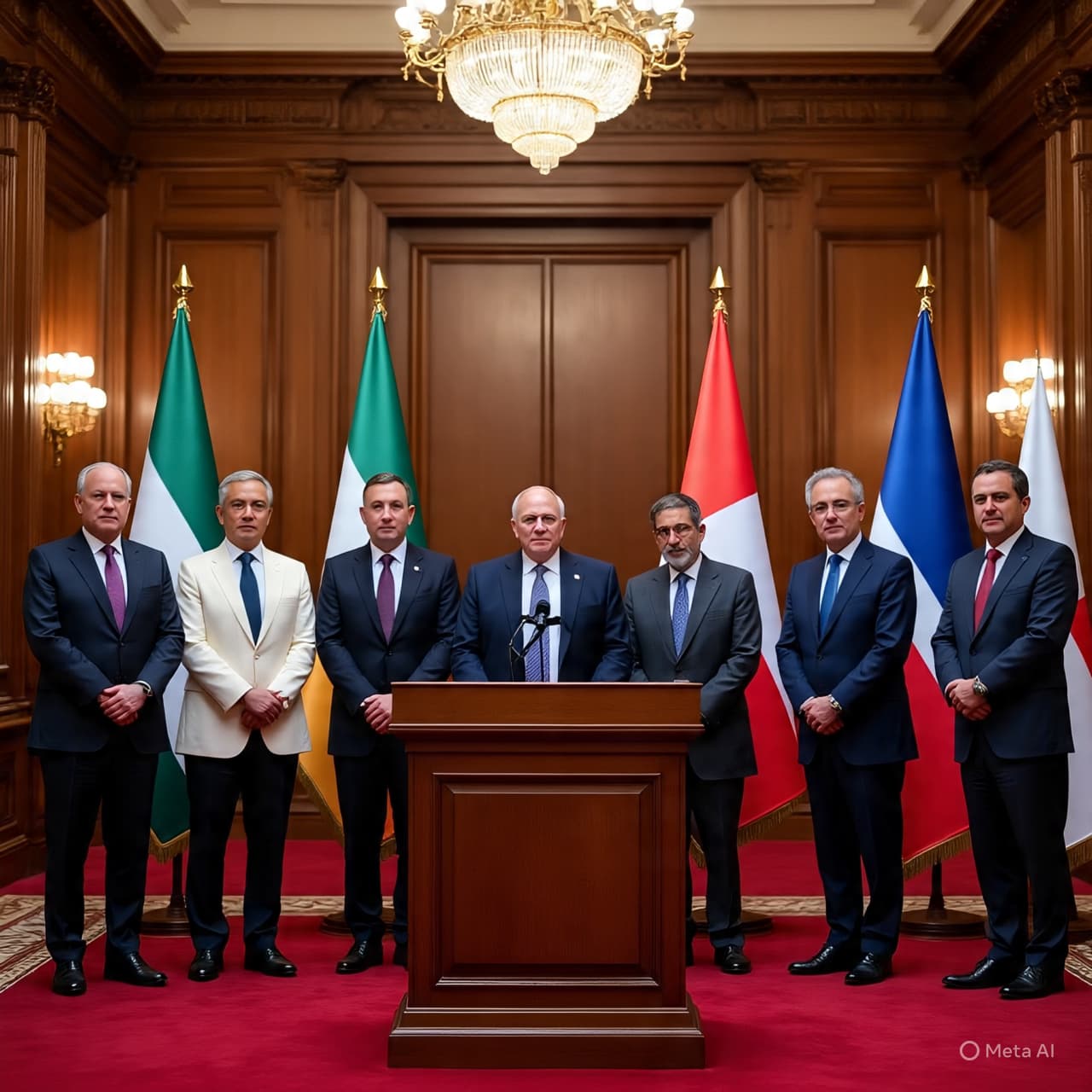
In the early hours of a restless week, when news feeds carried notes of shifting borders and diplomatic anxieties, a chorus of distant capitals found a common cadence. Voices from Riyadh, Amman, Abu Dhabi, Jakarta, Islamabad, Doha, Ankara, and Cairo resonated with a shared sentiment — concern over recent changes in the occupied West Bank. On February 9, foreign ministers from these eight Muslim-majority governments issued a joint declaration that described recent Israeli measures as “illegal” and warned that such actions risked entrenching settlement activity and altering the administrative and legal fabric of the occupied territory.
This diplomatic canvas is painted with careful phrasing. Words like “condemned in the strongest terms” and “unlawful sovereignty” carry the weight of centuries of dialogue on sovereignty, rights, and law. For Indonesia, whose foreign ministry joined the collective statement, the wording was not a casual choice: it mirrored a longstanding foreign policy that consistently supports Palestinian self-determination and rejects unilateral actions perceived to contravene international norms.
The officials underscored their belief that recent policy shifts in the West Bank — including legal adjustments that make land acquisition easier for Israeli settlers and expand administrative control — could accelerate efforts to formalize Israeli authority over areas long contested under international law. In their joint view, such changes risk undermining prospects for peace and the viability of a negotiated settlement.
Observers watching the region’s diplomatic rhythms may note that shared condemnations are not alone in shaping responses. They ripple outward, inviting commentary from the United Nations and other governments globally, each reflecting on how unilateral steps might influence efforts toward a two-state solution. In this, the statement by Muslim-majority countries becomes part of a broader mosaic of international discourse — one where law, legitimacy, and lived reality intersect.
Yet even strong language from eight capitals leaves many questions unanswered in the daily lives of Palestinians and Israelis alike. What will these diplomatic tones translate to on the ground? How might such collective expressions influence future negotiations or international engagement? These questions linger as quietly now as they do in the daily routines of those who live among olive groves, checkpoints, and sunlit horizons. As the world watches, the challenge remains: how will intentions and actions navigate the narrow corridors between conflict and peace?
Published by Banx Network. This article is part of the Banx decentralized media programme, powered by the BXE token on the XRP Ledger.




