
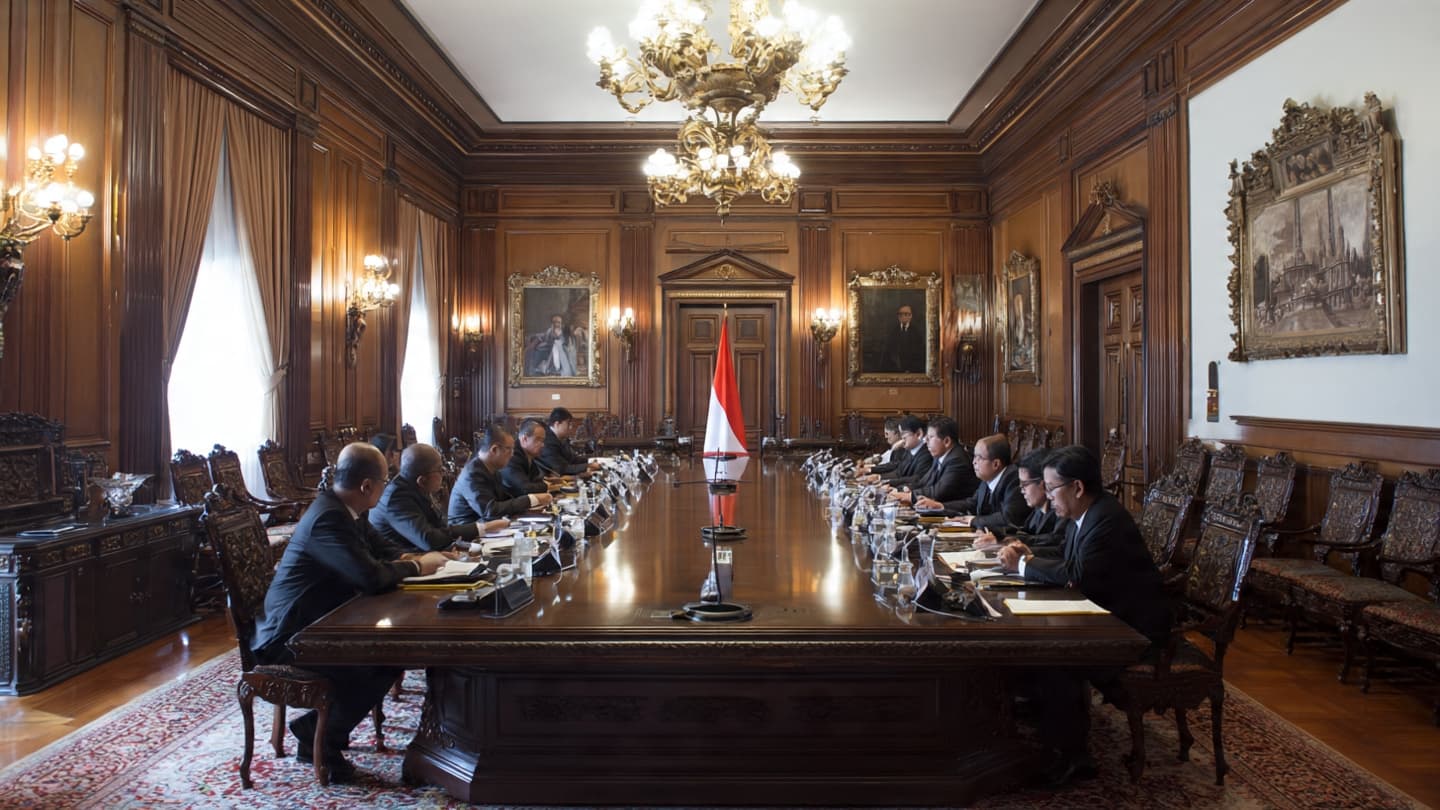
Key Highlights
- Indonesia closely monitors global conflicts, particularly in the Middle East.
- Economic analysts warn of potential impacts on oil prices and shipping routes.
- The government emphasizes diplomatic engagement and economic resilience.
[Geopolitical Context]
Even when conflicts unfold thousands of kilometers away, their echoes can reach distant shores, influencing nations far removed from the epicenters of turmoil. For Indonesia, developments in the Middle East are observed with keen interest, as they may significantly impact economic activity, energy supplies, and regional diplomacy. The Indonesian government is acutely aware that geopolitical shifts can reverberate through its economy and affect its citizens living abroad.
[Government Monitoring and Response]
Indonesian government agencies are actively assessing global developments while coordinating with relevant institutions to ensure a comprehensive understanding of the situation. Officials are particularly focused on monitoring conditions affecting Indonesian citizens residing in the Middle East, ensuring their safety and well-being amidst regional instability. This proactive approach reflects Indonesia's commitment to safeguarding its nationals and responding effectively to international crises.
[Economic Implications]
Economic analysts have raised concerns that fluctuations in oil prices and disruptions to international shipping routes could have a direct impact on domestic logistics and production costs in Indonesia. As a major importer of oil, Indonesia's economy is sensitive to changes in global energy markets. Businesses are encouraged to remain adaptive and responsive to these evolving global conditions, which may necessitate adjustments in supply chain management and pricing strategies.
[Diplomatic Engagement]
In light of these challenges, Indonesia continues to advocate for peaceful dialogue and international cooperation. Strengthening economic resilience at home remains a key priority for the government. Diplomatic engagement is viewed as essential, not only for addressing immediate concerns but also for fostering long-term stability in the region. Indonesia's foreign policy emphasizes collaboration with other nations to navigate the complexities of global geopolitics.
[Future Outlook]
As international discussions continue, Indonesia is expected to maintain a close watch on regional developments while preparing policies that protect national interests and ensure economic stability. The government recognizes that proactive measures are necessary to mitigate potential risks arising from distant conflicts. By fostering strong diplomatic ties and enhancing economic resilience, Indonesia aims to navigate the challenges posed by an increasingly interconnected world.
Published by Banx Network. This article is part of the Banx decentralized media programme, powered by the BXE token on the XRP Ledger.



