
Key Highlights
- G7 Summit 2026:Leaders convened in France to discuss global crises.
- Focus on Iran and Ukraine:Two conflicts impacting international relations.
- Energy security emphasized:Discussions on resilience against market disruptions.
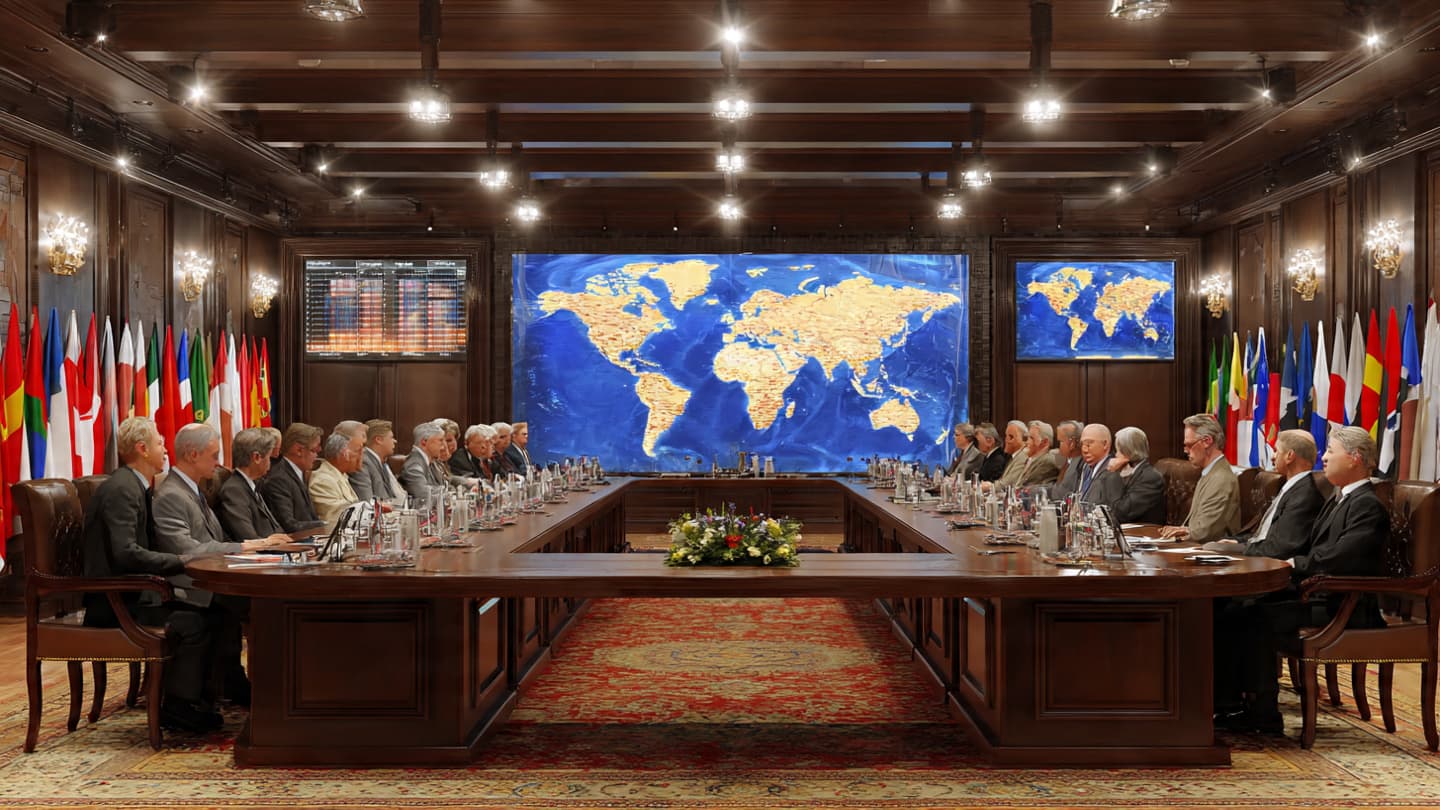
The 2026 G7 Summit held in France brought together leaders from the world's major economies to address pressing global issues, particularly the ongoing conflicts in Iran and Ukraine. These two crises, while geographically distinct, share significant implications that resonate across borders, affecting economic markets, energy supplies, and international security.
During the summit, discussions centered on the importance of stability and the necessity for open dialogue among nations. The situation in Iran has raised alarms regarding energy markets and regional security, while the conflict in Ukraine continues to disrupt trade flows and economic confidence throughout Europe and beyond. Both issues are critical for leaders as they navigate the complexities of international relations in an increasingly interconnected world.
The G7 leaders recognized that the challenges posed by these conflicts extend beyond immediate responses. Businesses and investors are acutely aware of how geopolitical instability can influence market behavior and economic planning. As such, the summit served as a platform for leaders to strategize on how to mitigate potential future consequences stemming from these crises.
Energy security emerged as a key theme during the discussions. The leaders acknowledged that disruptions in key regions could lead to fluctuations in global commodity prices, impacting everything from transportation costs to manufacturing expenses. This recognition has prompted governments to explore strategies aimed at enhancing resilience against external shocks, ensuring that their economies remain robust in the face of uncertainty.
The summit also highlighted the broader dynamics of international relations. In today's world, crises rarely remain confined to their origins. Financial systems, trade networks, and diplomatic partnerships create pathways through which regional developments can gain global significance. Thus, the G7 leaders emphasized the need for sustained dialogue as a means of managing uncertainty and reducing risks associated with these conflicts.
France, as the host nation, played a pivotal role in facilitating these discussions. The French government underscored the importance of maintaining open lines of communication among major economies, recognizing that while perspectives may differ, dialogue is essential for fostering cooperation and stability. The tone of the summit was notably measured, with leaders opting for practical conversations over dramatic declarations.
As the summit concluded, the conflicts in Iran and Ukraine remained unresolved, yet the gathering underscored the importance of international engagement in addressing complex global challenges. In a world where issues often transcend borders, the commitment to ongoing dialogue stands as a vital constant for those striving for a more stable future.
Published by Banx Network. This article is part of the Banx decentralized media programme, powered by the BXE token on the XRP Ledger.



