
Key Highlights
- Indonesia coordinates with Saudi Arabia to assist Umrah pilgrims.
- Ongoing Middle East tensions raise concerns over travel disruptions.
- Government seeks flexibility in hotel policies for affected travelers.
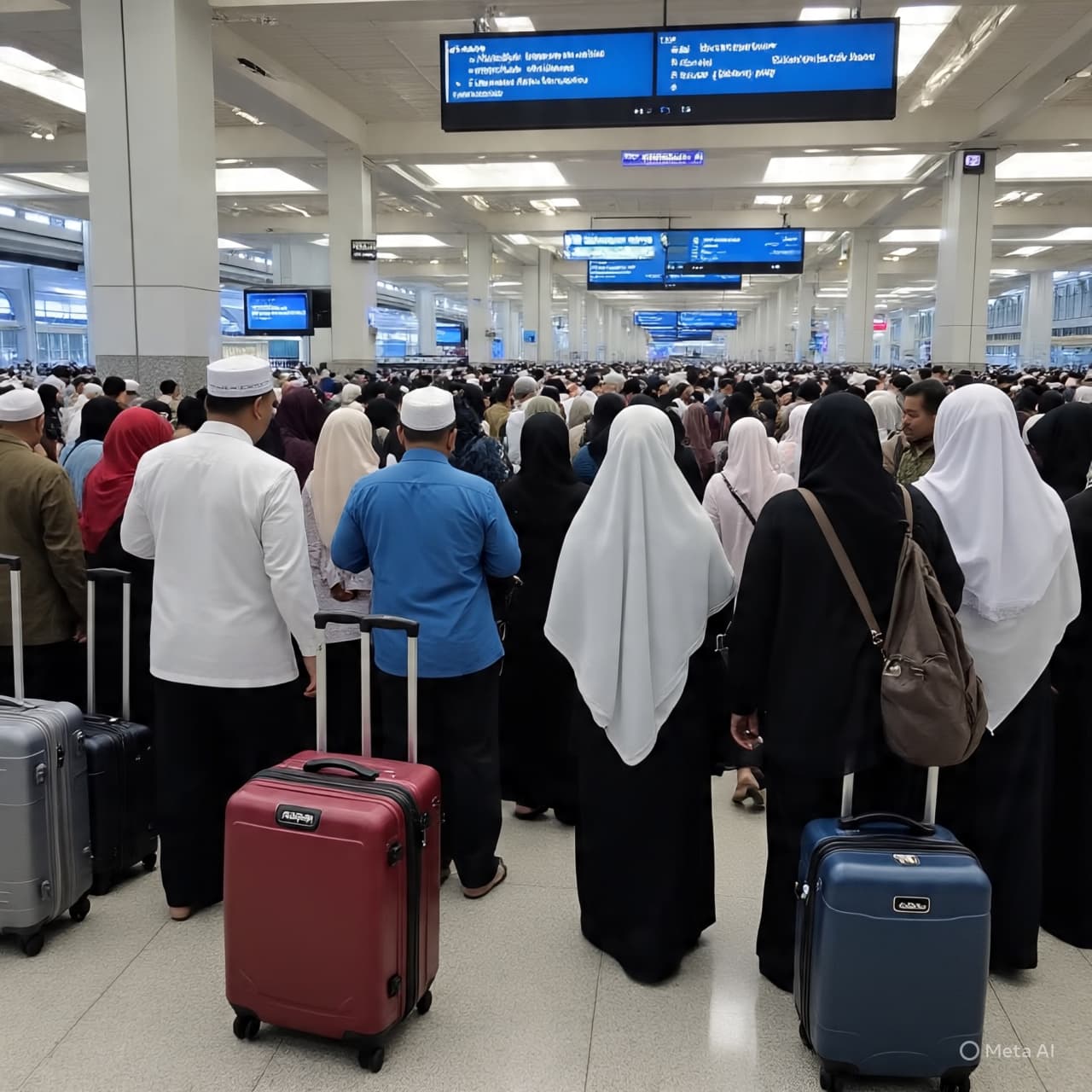
Amid rising tensions in the Middle East, Indonesia is taking proactive steps to ensure the smooth travel of its Umrah pilgrims. The Indonesian government has begun coordinating with Saudi authorities to seek relaxation of hotel policies that could affect thousands of pilgrims preparing for their sacred journey. This initiative comes as concerns grow over potential disruptions to travel arrangements due to geopolitical instability in the region.
The Ministry of Religious Affairs has emphasized the importance of flexibility in hotel bookings, which are typically secured months in advance. With the pilgrimage season approaching, the government is particularly focused on ensuring that any sudden changes in flight schedules or security advisories do not lead to financial burdens for Indonesian travelers. The Umrah pilgrimage is a significant event for many families, often representing years of savings and meticulous planning.
Indonesia, home to the largest Muslim population in the world, sends hundreds of thousands of pilgrims to Saudi Arabia each year. The potential for disruptions—whether through flight rerouting, delayed departures, or changes in itineraries—can have serious financial implications for both pilgrims and travel organizers. The government's request for leniency in hotel policies aims to protect these travelers from unexpected fees or lost payments should their plans need to be adjusted.
Saudi Arabia, as the host nation for both Umrah and Hajj, has established frameworks to manage large-scale pilgrimages, even during periods of geopolitical strain. However, the contractual obligations of hotel operators and service providers may not automatically accommodate extraordinary circumstances. Thus, diplomatic engagement becomes essential in aligning commercial practices with humanitarian considerations, ensuring that the needs of pilgrims are prioritized.
Travel industry representatives are closely monitoring the situation, with airlines, tour operators, and accommodation providers assessing their contingency plans to maintain service continuity. The Indonesian government has advised pilgrims to stay informed through official channels and to coordinate directly with licensed travel agencies for the latest updates.
Beyond the logistical aspects, there is a deeper symbolic significance to these efforts. The pilgrimage is a deeply personal journey, yet it operates within a complex web of international systems, including aviation networks and diplomatic relations. By negotiating flexibility with Saudi authorities, the Indonesian government acknowledges the spiritual and financial investments that pilgrims make in their journeys.
As of now, there have been no widespread cancellations or suspensions of Umrah departures. Flights continue to operate under adjusted monitoring, and coordination efforts between the Indonesian government and Saudi authorities are ongoing. Officials stress that their primary goal is to facilitate smooth travel while minimizing potential losses for Indonesian pilgrims in the event of unforeseen circumstances.
As the Middle East navigates its current tensions, Indonesia's diplomatic outreach highlights a steadfast commitment to safeguarding its citizens abroad. Discussions with Saudi authorities are expected to continue, with updates anticipated as the situation evolves. In the meantime, preparations for Umrah are proceeding, guided by caution and a shared hope that the journey of devotion can continue safely despite the uncertainties that lie ahead.
Published by Banx Network. This article is part of the Banx decentralized media programme, powered by the BXE token on the XRP Ledger.



