
Key Highlights
- Rising fuel prices in Ireland are linked to global conflicts.
- Protests by transport workers are disrupting local traffic.
- The government is engaging in dialogue to address economic pressures.
The impact of distant conflicts often reaches far beyond their immediate borders, manifesting in ways that disrupt daily life. In Ireland, the ongoing tensions related to the Iran conflict have led to significant increases in fuel prices, prompting widespread protests that have brought traffic to a standstill in various regions. What began as a response to rising costs has evolved into a broader expression of public frustration, highlighting the interconnectedness of global events and local realities.
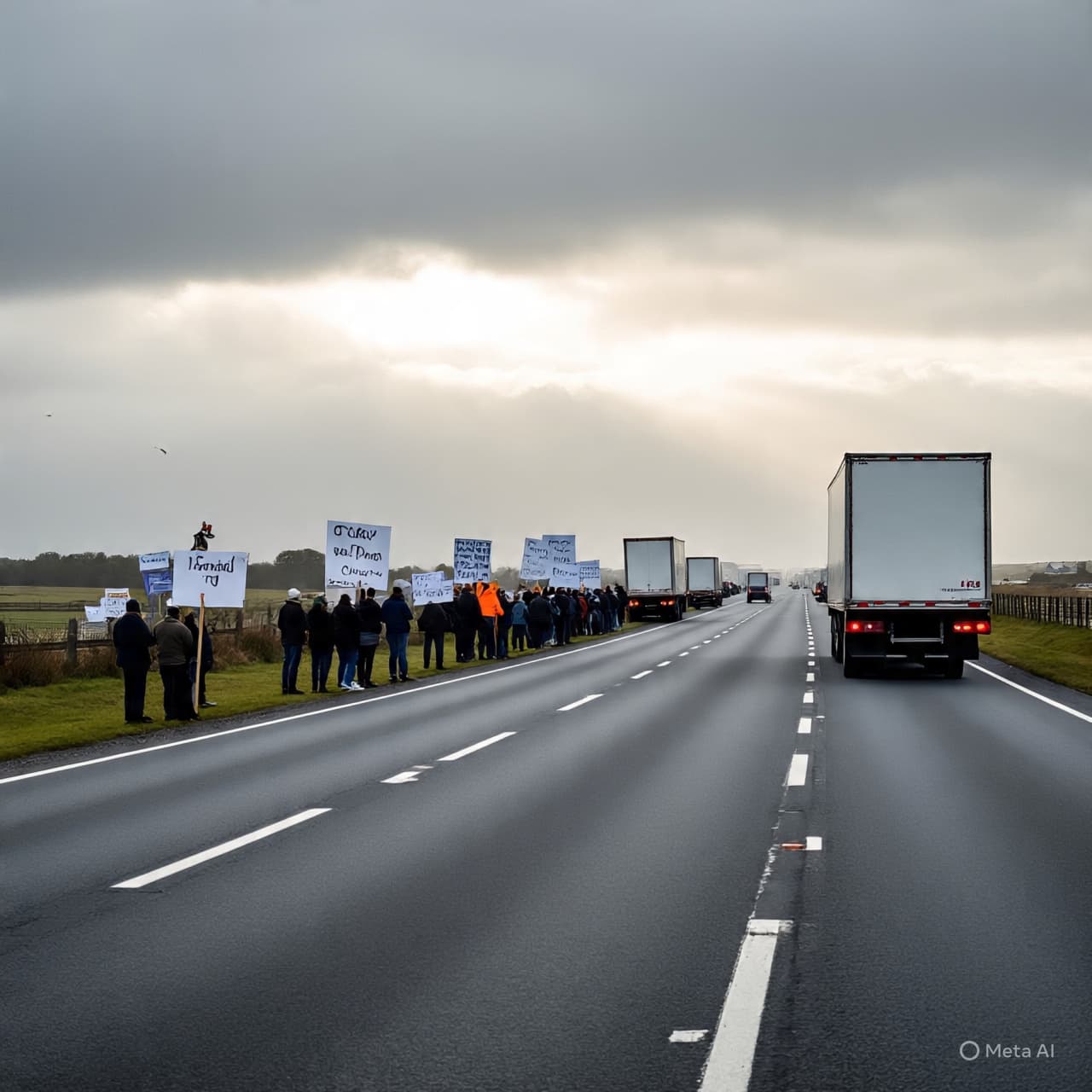
Transport workers and independent drivers have taken the lead in organizing demonstrations, which include slow-moving convoys and temporary blockades along major routes. These actions, while largely peaceful, have created significant delays, affecting commuters and businesses alike. The protests serve as a stark reminder of how a single point of tension in the global landscape can ripple through local economies, impacting the daily routines of individuals and families.
At the core of this issue is the volatility in energy markets, driven by geopolitical developments that extend well beyond Ireland's borders. The conflict in Iran has contributed to fluctuations in oil prices, which in turn have led to increased fuel costs across Europe. As a result, Irish drivers are feeling the financial strain, with rising prices at the pump translating directly into economic pressure for small business operators and everyday commuters.
The Irish government has responded with a measured approach, emphasizing the importance of dialogue while acknowledging the challenges faced by those affected by rising fuel costs. Officials have pointed to existing support mechanisms and the complexities of addressing global price movements, indicating that solutions may require coordination at an international level. This response reflects an understanding of the broader economic landscape while also recognizing the immediate concerns of citizens.
The situation in Ireland mirrors a wider trend observed across Europe, where rising energy costs have sparked public reactions. Each country has its unique response, but the underlying connection remains consistent: local conditions are often influenced by events occurring thousands of miles away. This interconnectedness underscores the importance of understanding how global conflicts can have tangible effects on everyday life.
Despite the disruptions caused by the protests, organizers have generally framed their actions as temporary and targeted, aiming to raise awareness rather than cause prolonged inconvenience. This approach indicates a level of restraint and an understanding of the balance between expressing frustration and maintaining public support.
Looking ahead, the path forward remains uncertain. While protests can draw attention to pressing issues, they cannot resolve the underlying factors driving fuel prices. However, they can shape the conversation around economic shifts, bringing to light the lived experiences of those affected by these changes. As authorities continue to monitor the situation, discussions between government officials and representatives from affected sectors are expected to persist, focusing on managing immediate disruptions while considering long-term solutions.
For now, the roads of Ireland tell a compelling story—one of movement slowed, of economic pressure expressed, and of the intricate connections between distant conflicts and local consequences that remain both visible and unresolved.
Published by Banx Network. This article is part of the Banx decentralized media programme, powered by the BXE token on the XRP Ledger.



