
Key Highlights
- Global equities fell as investors reacted to geopolitical tensions.
- Oil prices surged due to fears of supply disruptions.
- Market responses reflect a cautious shift in investor sentiment.
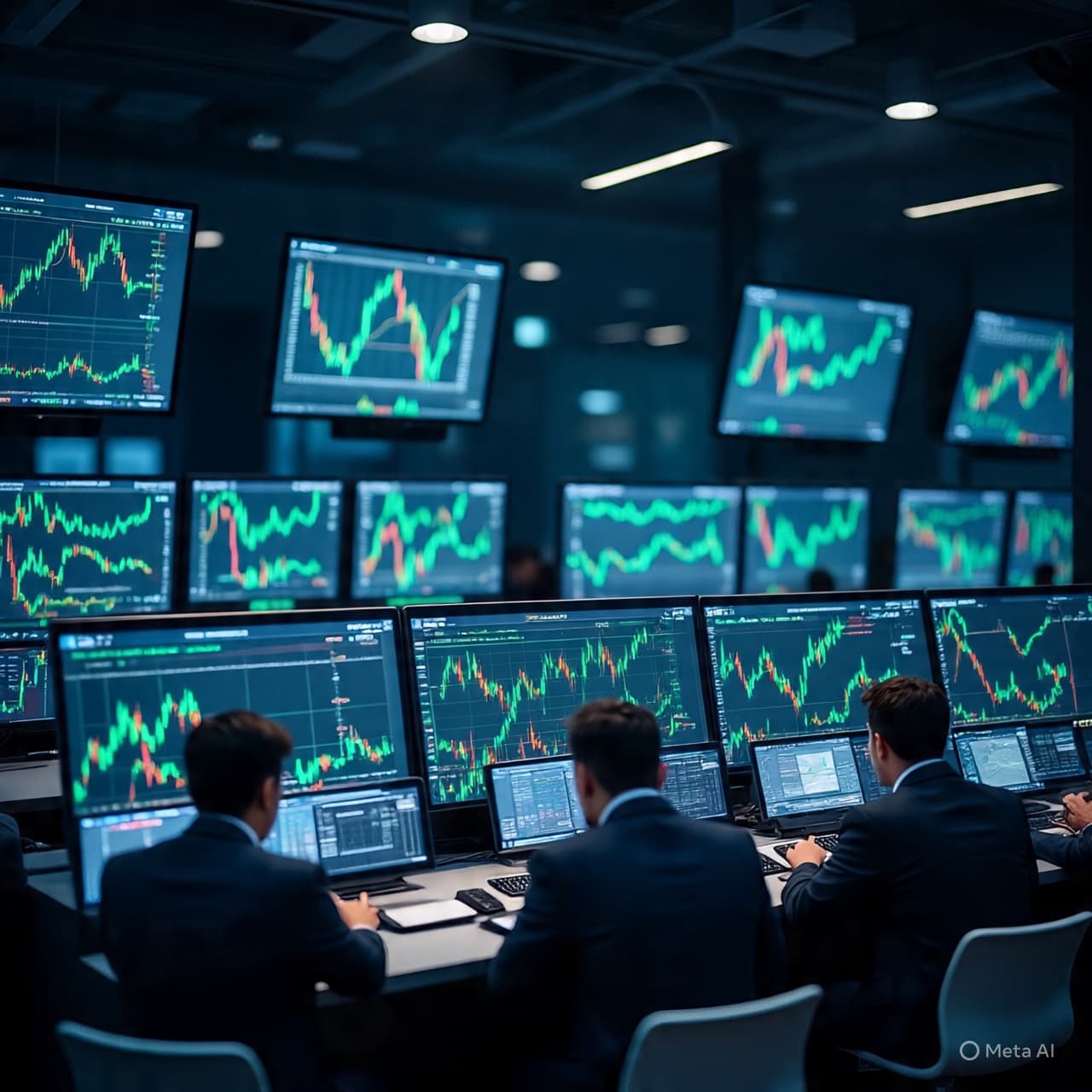
Geopolitical tensions often create ripples in financial markets, much like a storm brewing over a calm ocean. This week, those ripples were felt as investors reacted to escalating conflicts in the Middle East, leading to a decline in global equities while energy prices surged. The interconnectedness of today's financial landscape means that events occurring thousands of miles away can have immediate effects on trading floors around the world.
As tensions escalated, major stock indexes in the United States and Europe experienced downward pressure. The S&P 500, Dow Jones Industrial Average, and other key indices slipped as traders recalibrated their expectations regarding geopolitical risks. This cautious shift in sentiment reflects a broader concern about the potential consequences of prolonged instability in the region, particularly as it relates to oil supply and pricing.
In contrast to the stock market's decline, oil prices climbed sharply. Traders reacted to the possibility that ongoing tensions could disrupt energy supplies or critical shipping routes. The Strait of Hormuz, a vital passage for global oil trade, is particularly sensitive to developments involving Iran. Even the mere perception of potential disruption in this corridor can lead to significant fluctuations in oil prices, underscoring the market's sensitivity to geopolitical events.
Analysts note that this market behavior is not new. Historically, during periods of geopolitical uncertainty, investors tend to shift away from risk-sensitive assets like equities and gravitate toward commodities or defensive positions that are perceived as more stable. This pattern has been observed repeatedly over the past decade, as investors have navigated through various political tensions and conflicts that have briefly unsettled markets before stabilizing.
In addition to oil markets, currency and bond traders also adjusted their positions in response to the evolving situation. Some investors increased their holdings in traditional safe-haven assets, such as gold and U.S. Treasury bonds, while others opted to remain cautious, waiting for further developments before making significant portfolio adjustments. This measured approach reflects a balance between concern over geopolitical developments and the broader economic context, including interest rate expectations and global growth forecasts.
Despite the fluctuations, market reactions have remained relatively measured rather than dramatic. Investors appear to be weighing the risks associated with geopolitical instability against the backdrop of a recovering global economy. Economists emphasize that while energy markets are particularly vulnerable to shifts in Middle Eastern geopolitics, financial markets have become increasingly adept at navigating such volatility.
As traders continue to monitor diplomatic signals, military developments, and policy responses, the markets may experience further fluctuations in the coming days. However, the underlying principle guiding investor behavior remains consistent: a careful balancing act between risk and opportunity amid the unpredictable nature of global events. As trading closed, stocks had eased lower while oil prices remained elevated, serving as a reminder that distant conflicts can resonate deeply within the financial markets, impacting balance sheets and trading screens worldwide.
Published by Banx Network. This article is part of the Banx decentralized media programme, powered by the BXE token on the XRP Ledger.



