
Key Highlights
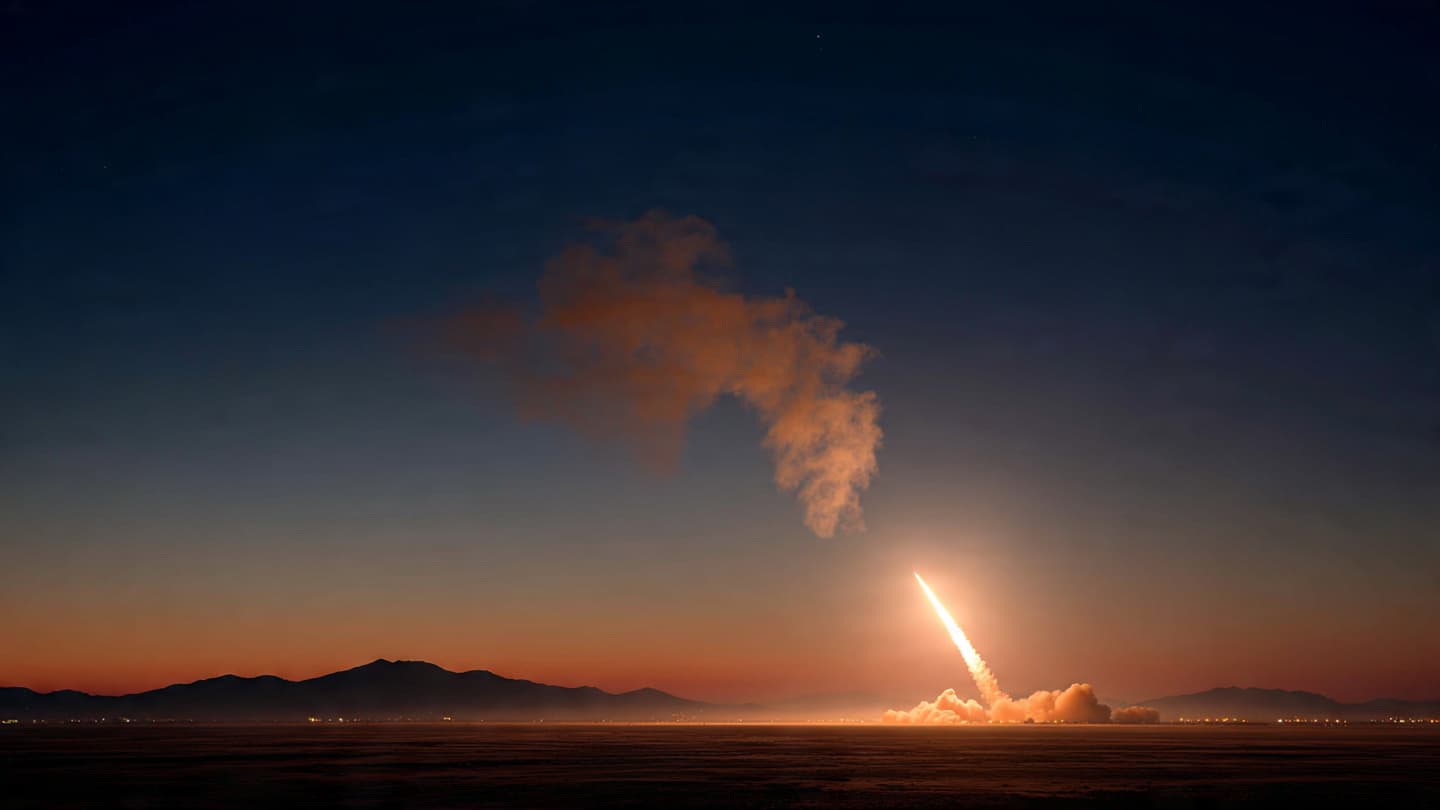
- Iran has reportedly tested a long-range ballistic missile system capable of reaching parts of Europe.
- The missile test has intensified discussions on international security and arms control.
- European governments are closely monitoring developments amid rising geopolitical tensions.
In the evolving landscape of global security, technological advancements in missile development often draw immediate international attention. Recent reports indicate that Iran has conducted a test of a long-range ballistic missile system, with claims suggesting it could reach parts of Europe. While such announcements are typically met with careful scrutiny, they nonetheless contribute to heightened geopolitical sensitivity.
Ballistic missile technology has long been a central element of strategic defense planning for many countries. The ability to project force over long distances changes how nations assess deterrence, alliance structures, and regional stability. As capabilities expand, so too does the complexity of maintaining balance in international relations. The implications of such advancements are not only felt in the immediate region but resonate globally, particularly in Europe, where security analysts are increasingly concerned about the potential reach of Iran's missile capabilities.
Iran’s missile program has been a subject of global discussion for years, with various stages of testing and development closely monitored by international observers. The latest reported test adds another layer to ongoing debates about defense capabilities in the Middle East and their broader implications. The international community has been particularly vigilant regarding Iran's military advancements, as they could disrupt the fragile balance of power in the region.
European governments and security analysts have responded by emphasizing the importance of monitoring developments through diplomatic and intelligence channels. While official assessments often require verification, such reports are typically evaluated within broader frameworks of regional risk analysis. The focus on Iran's missile capabilities has prompted European nations to reassess their defense strategies and diplomatic approaches toward the Middle East.
For neighboring countries in the Middle East, missile development programs are often viewed through the lens of deterrence and security competition. However, for distant regions such as Europe, the focus tends to shift toward long-term strategic implications and arms control discussions. The potential for Iran's missile technology to alter the security landscape in Europe has led to renewed calls for diplomatic engagement and strategic dialogue.
International agreements aimed at limiting missile proliferation have historically played a key role in managing tensions. However, enforcement and participation vary widely, contributing to ongoing debates about the effectiveness of existing frameworks. The recent missile test raises questions about the future of such agreements and whether they can adapt to the rapidly changing technological landscape.
Military analysts note that advances in propulsion, guidance systems, and payload design continue to evolve rapidly, making missile technology one of the most dynamic areas of modern defense research. These developments often outpace diplomatic efforts to regulate them, highlighting the urgent need for international cooperation in addressing the challenges posed by missile proliferation.
As global powers assess the implications of the reported test, attention remains focused on whether it will influence ongoing negotiations, defense postures, or broader regional stability in the months ahead. The situation underscores the necessity for diplomacy to adapt to new realities in international security, ensuring that dialogue remains robust even as technological advancements reshape the geopolitical landscape.
Published by Banx Network. This article is part of the Banx decentralized media programme, powered by the BXE token on the XRP Ledger.



