
Key Highlights
- New Zealand's finance minister warns of global economic impacts from the Iran conflict.
- Rising fuel prices and inflation are affecting household budgets worldwide.
- The interconnectedness of global trade is highlighted by shifts in shipping and energy markets.
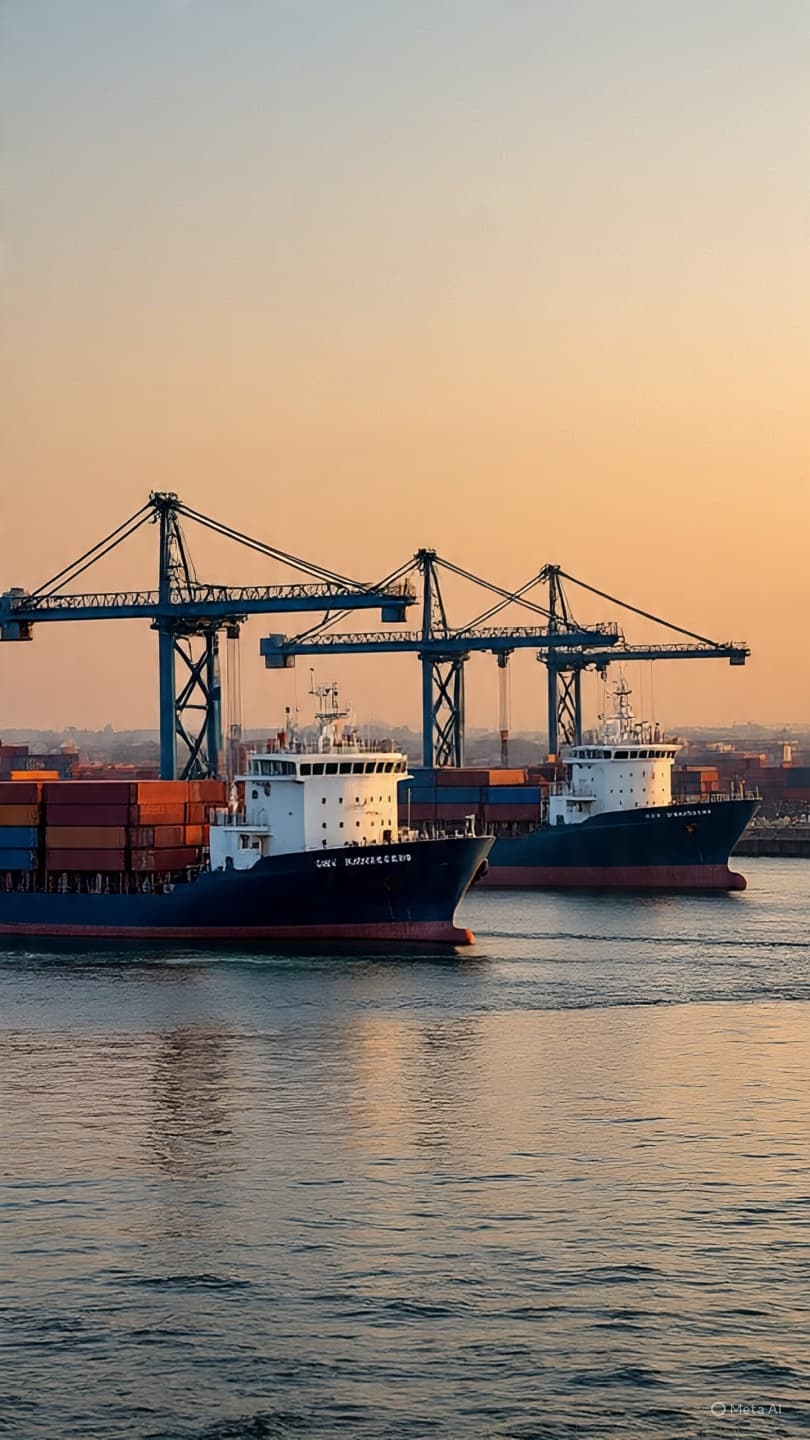
The morning light casts a serene glow over the harbors along the Pacific, where container ships line up, their cargoes suspended in a state of limbo. This tranquil scene belies the turbulent undercurrents of global trade, which have been disrupted by geopolitical tensions. As the world grapples with the implications of the ongoing conflict involving Iran, the effects are felt far beyond the immediate region, rippling through economies and households alike.
In New Zealand, a country often characterized by its pragmatic approach to policy, the tone has shifted in recent discussions. Finance Minister Nicola Willis recently articulated the profound economic ramifications of the Iran conflict, emphasizing that its consequences extend well beyond geographical boundaries. The rising fuel prices, she noted, are just one aspect of a broader economic landscape that is increasingly strained by instability.
The assertion that the conflict has rendered the “whole world poorer” resonates deeply in a time when inflation is on the rise and central banks are recalibrating their strategies. The economic landscape is marked by a tightening of margins—political, economic, and personal—as the world adjusts to the new realities of prolonged conflict. This adjustment is not merely a matter of numbers; it reflects a shift in how individuals and businesses navigate their daily lives.
Across Europe and Asia, energy markets are responding with a palpable sense of anxiety. Tankers are being rerouted, insurance premiums are climbing, and governments are revisiting their energy reserves and contingency plans. Even nations that are geographically distant from the conflict are experiencing its effects in more subtle ways, such as increased transportation costs and shifting trade balances. The once-distant conflict has become an intimate presence in the lives of many, altering the fabric of everyday existence.
New Zealand, with its economy heavily reliant on exports and deeply integrated into global trade networks, is acutely aware of these shifts. Agricultural producers are feeling the pinch as shipping costs rise, while importers are forced to recalibrate their budgets in light of escalating energy and logistics expenses. For a nation that has historically managed to insulate itself from global volatility, the current climate presents a notable challenge, albeit less dramatic than that faced by larger economies.
This situation has prompted a broader reassessment of energy strategies among governments worldwide. The urgency of addressing short-term supply issues is now being balanced against the need for long-term sustainability. The conflict, rooted in complex geopolitical dynamics, has catalyzed a reflection on the interconnectedness of global systems and the fragility of economic stability.
On a more personal level, the implications of rising fuel costs are evident in everyday life. Increased prices at the pump translate into higher grocery bills, while disruptions in shipping schedules lead to delays in the arrival of goods that were once taken for granted. These incremental changes accumulate, subtly shaping the daily experiences of individuals and families, often in ways that are difficult to quantify but profoundly felt.
As New Zealand and other nations continue to navigate this evolving economic landscape, the message remains clear: the conflict involving Iran has far-reaching consequences that extend well beyond its borders. The world is becoming incrementally poorer—not through a single catastrophic event, but through a series of quiet adjustments that reverberate across economies, much like waves that gradually reach distant shores.
Published by Banx Network. This article is part of the Banx decentralized media programme, powered by the BXE token on the XRP Ledger.



