
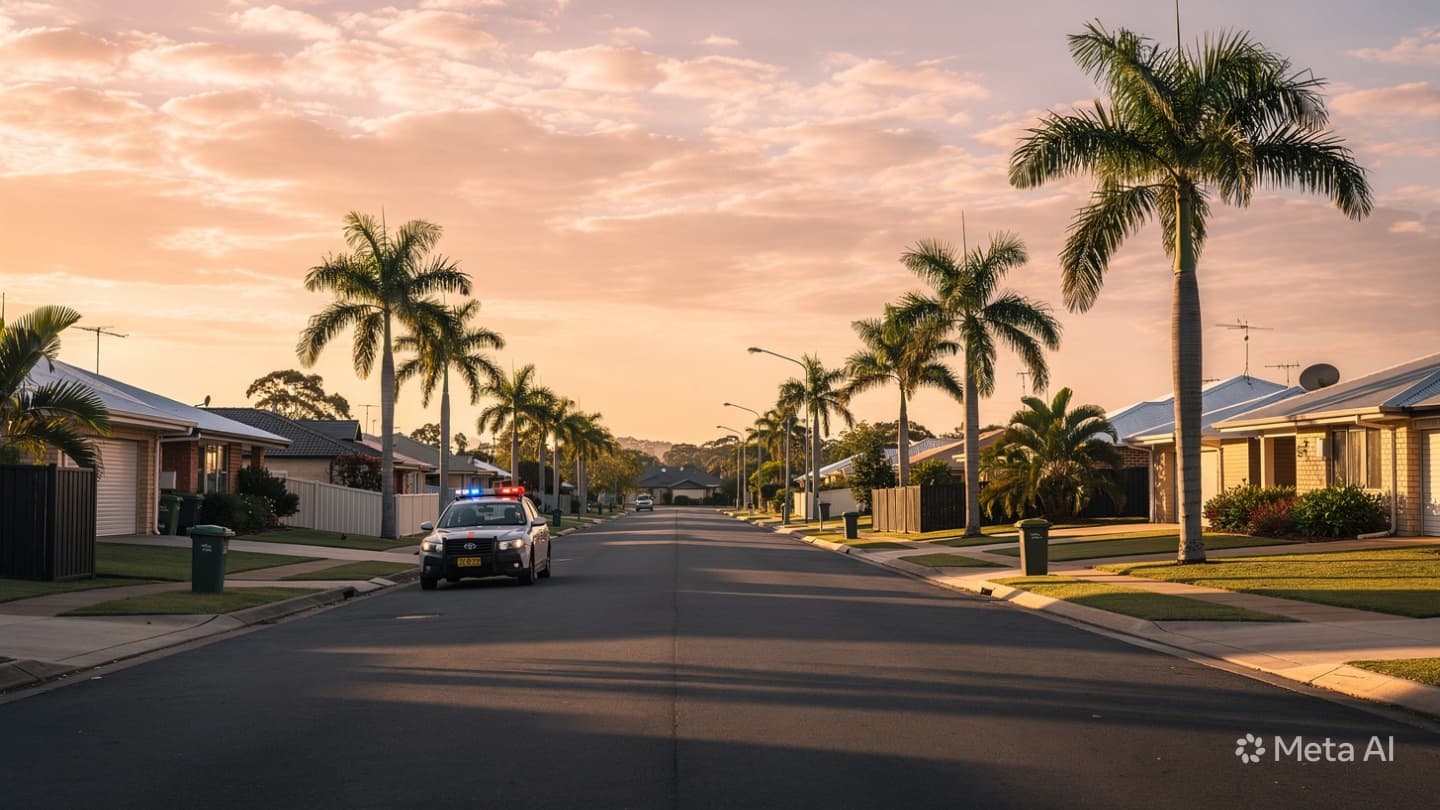
The small, everyday friction of living in a place like Manunda usually passes without note. It is a collection of homes, shared spaces, and passing faces, where the air is meant to be steady and the interactions largely predictable. Yet, there are moments when this predictable fabric frays, when the sudden, sharp intrusion of violence disrupts the assumed safety of a neighborhood. When a serious assault ripples through the quiet of a community, it leaves behind a sense of unease, a lingering question about what hidden pressures and ruptures lie beneath the surface of our common life.
To speak of an assault is to touch upon something deeply destabilizing, a violation of the unspoken social contract that keeps us at peace with our neighbors. Whether it occurs in the light of day or under the cloak of twilight, such an event marks a threshold. It is not merely the physical harm, but the erosion of the sense of place that follows. The neighborhood, once a known landscape of routine, suddenly becomes a site of inquiry—a geography marked by police tape, hushed conversations, and the persistent hum of tension that follows an act of malice.
Investigations of this nature are rarely simple; they are complex tapestries woven from witness accounts, forensic remnants, and the often opaque motivations of those involved. Law enforcement, in their methodical, detached way, moves through the space of the crime, seeking to isolate the variables that led to the breach of peace. There is a strange, clinical rhythm to their work—the collecting of evidence, the canvassing of residents, the careful construction of a timeline—that stands in stark contrast to the chaotic, emotional core of the event itself.
In the aftermath, the community is left to look for patterns, to wonder if the seeds of such an encounter were planted long before the first blow was struck. It is a human tendency to seek logic in violence, to try and map out the steps that led to such a moment. Was it a sudden eruption of temper, a long-simmering resentment, or perhaps something more random and detached from the local history of the street? We ask these questions to reassure ourselves that we are safe, that such things are outliers in the broader, smoother narrative of our lives.
Yet, violence possesses its own momentum. It pulls the surrounding space into its orbit, forcing residents to confront the reality that they are not immune to the volatility of others. The investigative process, with its focus on charges and justice, offers a way to box in the event, to contain the chaos within the borders of law. By identifying the actors and detailing the sequence of events, police attempt to return the neighborhood to a state of order, though the memory of the violence often acts as a stubborn anchor.
This particular incident in Manunda serves as a quiet reminder of our inherent vulnerability. When the police move to investigate, they are essentially trying to heal the rupture, to draw a line around the chaos and say that such behavior has been accounted for. Yet, as the community watches, there is an acknowledgment that the air has changed. The street, once a place for simple movement and interaction, is now remembered for a moment of discord. It is a sobering reflection on the fragility of our shared peace.
As the authorities continue their work, the public gaze remains fixed on the outcome, waiting for the clarity that only an investigation can provide. We look for answers, not just to understand the specifics of this assault, but to find some measure of reassurance that the foundations of our neighborhood remain intact. The process is slow, deliberate, and necessary, acting as a buffer between the raw experience of the event and the eventual, necessary return to the ordinary flow of days.
In the end, the impact of such events is measured not just in injury, but in the collective breath held by a community. Manunda, like so many other places, will eventually move forward, the memory of the incident fading into the background of daily life. But for those involved and those who witnessed the disruption, the reflection remains—a testament to how swiftly the order we rely upon can be upended, and how vital the pursuit of clarity becomes when our sense of safety is called into question.
Published by Banx Network. This article is part of the Banx decentralized media programme, powered by the BXE token on the XRP Ledger.


