

Key Highlights
- Recent military actions between the U.S. and Iran have escalated tensions in the Middle East.
- Neighboring countries are enhancing security measures amid fears of regional spillover.
- International calls for restraint emphasize the need for diplomatic engagement.
The course of international relations often resembles a sea whose surface may appear calm until shifting currents begin to reshape the horizon. Diplomatic dialogue and military developments can quickly alter the global landscape, reminding governments and citizens alike that regional events frequently carry consequences well beyond national borders. The latest escalation involving military actions between the United States and Iran has once again drawn widespread international attention, prompting renewed concern about stability across the Middle East.
According to recent official statements and international reporting, the United States has continued military strikes targeting Iranian military infrastructure following attacks attributed to Iran and its regional allies against American personnel and interests. The operations form part of an expanding security response that has intensified tensions across the region. Reports indicate that these strikes are a direct response to provocations that have raised alarms in Washington and among its allies.
Iran has responded through missile and drone operations directed at regional targets associated with U.S. allies while condemning the American military campaign. Officials in several neighboring countries have activated air defense systems, increased security measures, and monitored their airspace as the possibility of broader regional spillover remains a significant concern. The Iranian government has publicly vowed to retaliate against any further U.S. aggression, escalating the rhetoric surrounding the conflict.
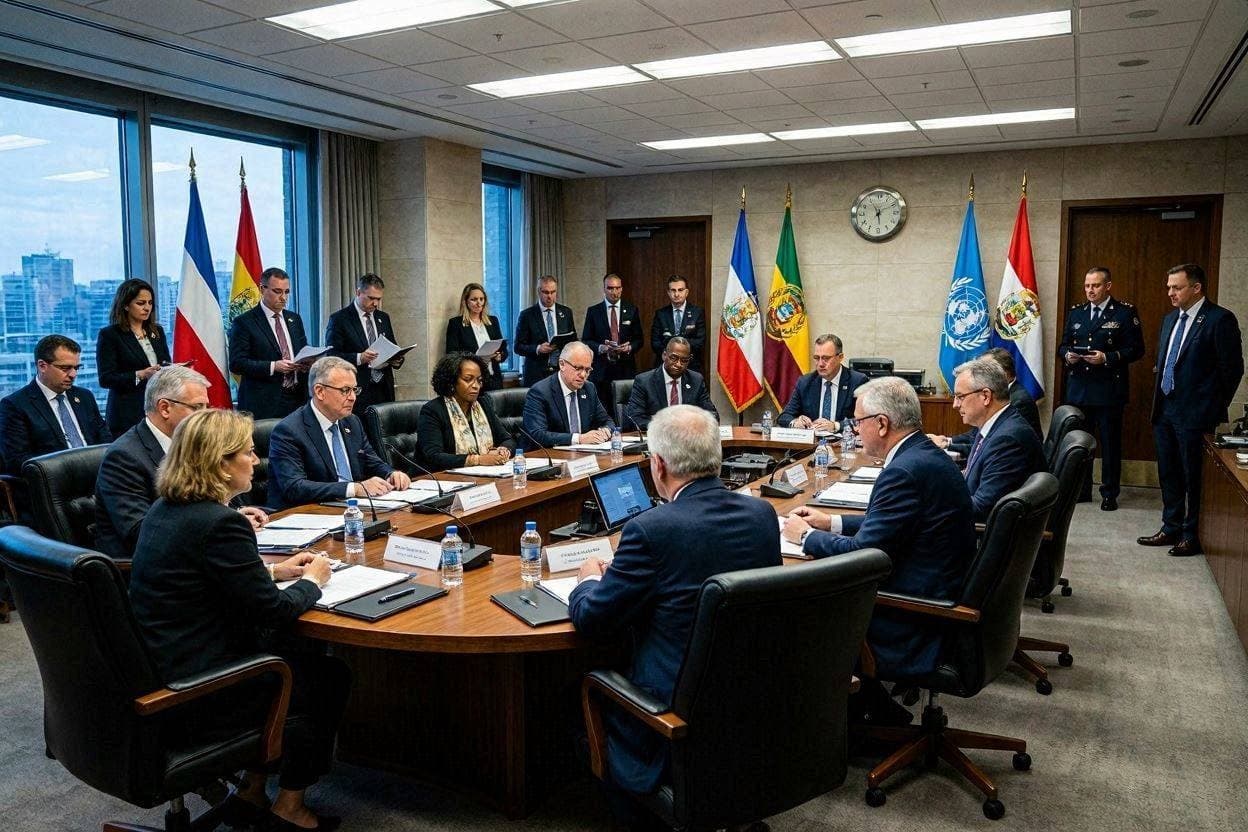
The renewed confrontation has attracted close attention from governments, international organizations, and diplomatic observers. Many countries have called for restraint and emphasized the importance of diplomatic engagement to prevent further escalation. International discussions continue to focus on reducing the risk of wider instability while protecting civilian populations and critical infrastructure. The United Nations and various humanitarian organizations are particularly concerned about the potential humanitarian impact of prolonged military actions.
Economic markets have also reacted to the heightened uncertainty. Energy traders continue monitoring developments surrounding shipping routes in the Persian Gulf, particularly the Strait of Hormuz, one of the world's most important maritime corridors for oil transportation. Fluctuations in energy prices and financial markets reflect broader concerns about potential disruptions to global trade if tensions persist. Analysts warn that sustained military conflict could lead to significant increases in oil prices, affecting economies worldwide.
Military analysts note that modern geopolitical crises often extend beyond direct battlefield operations. Cybersecurity, intelligence sharing, maritime security, and regional defense cooperation have all become increasingly important components of contemporary conflict management. Governments across the region continue evaluating potential security implications while coordinating with international partners. The role of technology in warfare and defense strategies is becoming more pronounced, with nations investing in advanced capabilities to counter threats.
Humanitarian organizations and international institutions have likewise expressed concern about the effects of prolonged conflict on civilian populations. Beyond military considerations, sustained instability can influence transportation, commerce, humanitarian access, and regional economic development. These broader consequences remain central to ongoing diplomatic discussions aimed at preventing further escalation. The potential for a humanitarian crisis looms large as the conflict continues, with many civilians caught in the crossfire.
As the situation continues to evolve, governments worldwide are closely monitoring official developments and diplomatic efforts. While military operations remain the immediate focus of international attention, many leaders continue emphasizing dialogue, de-escalation, and adherence to international law as essential elements for restoring regional stability. The coming days are expected to remain significant as policymakers assess both security developments and opportunities for renewed diplomatic engagement.
Published by Banx Network. This article is part of the Banx decentralized media programme, powered by the BXE token on the XRP Ledger.




