
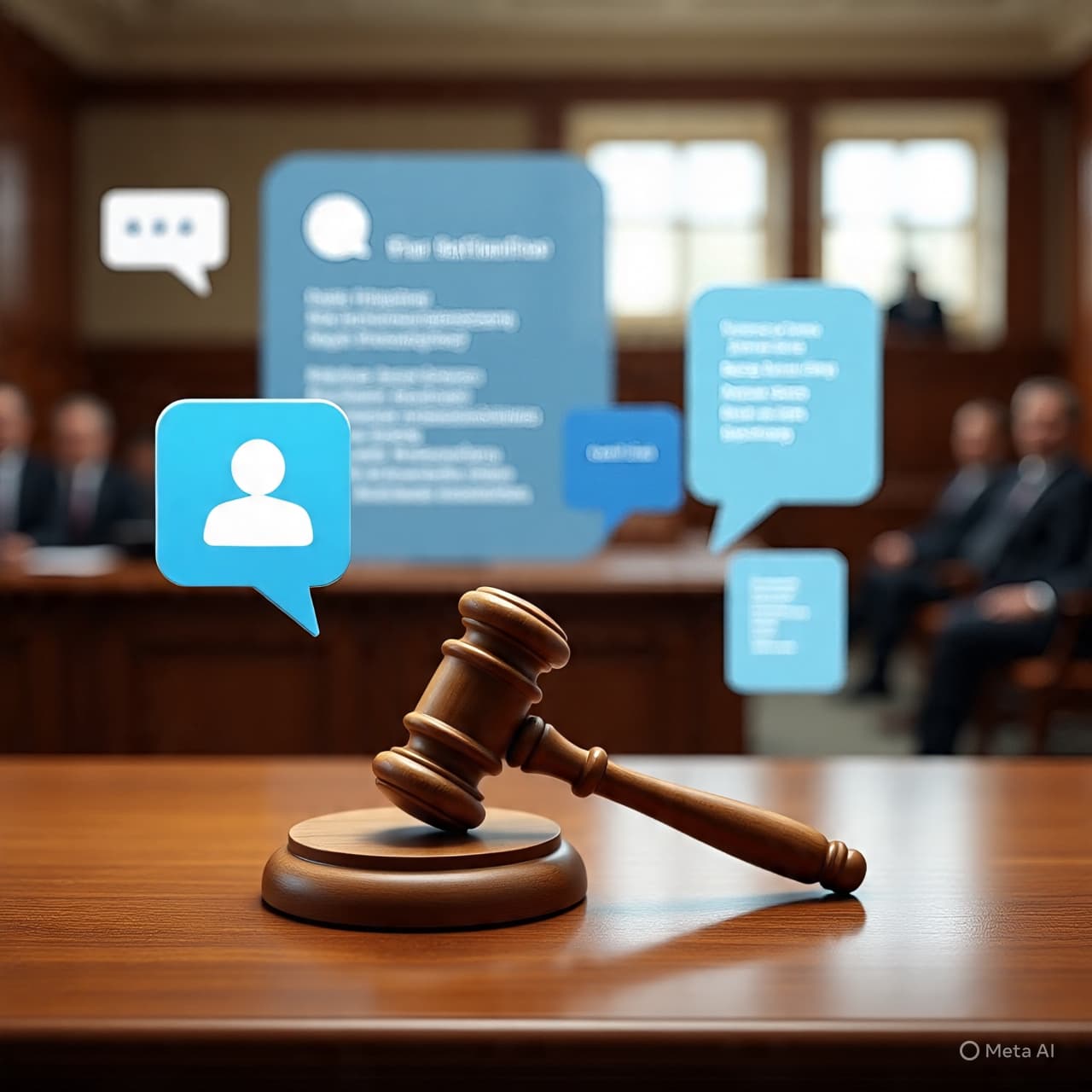
Key Highlights
- Rising Cases:Germany has seen a significant increase in criminal cases related to online insults in the past two years.
- Legal Framework:The country’s laws reflect a balance between protecting public dignity and allowing free expression.
- European Trend:The surge in cases aligns with a broader European focus on regulating digital interactions.
Germany has long treated public insult as more than a moment of bad manners. In a country where legal codes still carry echoes of earlier eras, the tension between expression and accountability remains alive — and nowhere is that more evident than in the country’s rising number of criminal cases tied to online insults. Over the past two years, German authorities have observed a marked acceleration in how online comments are handled, with hundreds of cases initiated or forwarded for prosecution. Many of these cases began not with formal complaints from those mentioned in the posts, but through established reporting mechanisms and monitoring offices tasked with identifying unlawful digital content. In this environment, a social media post can quickly transition from a late-night remark to an entry in a prosecutor’s daily file.
Officials argue that such enforcement protects public life from harassment, intimidation, and the emotional weight that persistent online abuse can impose on individuals. They assert that digital spaces should not operate as untouchable islands, exempt from standards that shape civic behavior offline. Germany’s approach, they say, is a reflection of responsibility rather than restraint. The legal framework aims to ensure that while individuals can express their opinions freely, they must also be accountable for the impact of their words.
However, the surge in criminal cases has drawn its critics. Legal scholars and civil rights advocates warn that expanding criminal scrutiny of online speech risks discouraging public engagement, especially in political or emotionally charged discussions. They express concern that citizens may hesitate to speak plainly, uncertain about the line separating protected expression from punishable insult. As one prominent observer described it, Germany is negotiating “a narrowing corridor between democratic debate and legal exposure.” This sentiment highlights the delicate balance the country is attempting to maintain between safeguarding free speech and enforcing legal accountability.
The momentum behind these cases also points to a broader European pattern. Across the continent, enforcement bodies are increasing their focus on digital interactions, pushing platforms to remove unlawful content more quickly and giving authorities greater latitude to pursue violations. Germany, with its long-standing rules against defamation and insult, has become a central stage for this ongoing debate. The European Union's Digital Services Act, for instance, aims to create a safer online environment by holding platforms accountable for harmful content, further complicating the landscape for free expression.
For now, Germany continues to walk the fine line between dignity and expression, applying traditional legal principles to a landscape that evolves faster than any statute book. The rise in criminal cases over online insults is not merely a shift in numbers; it is a portrait of a society recalibrating its expectations for speech in an age where every comment can become both permanent and prosecutable. As the country navigates these challenges, the outcome will likely influence how other nations approach the intersection of digital communication and legal frameworks.
Published by Banx Network. This article is part of the Banx decentralized media programme, powered by the BXE token on the XRP Ledger.



