
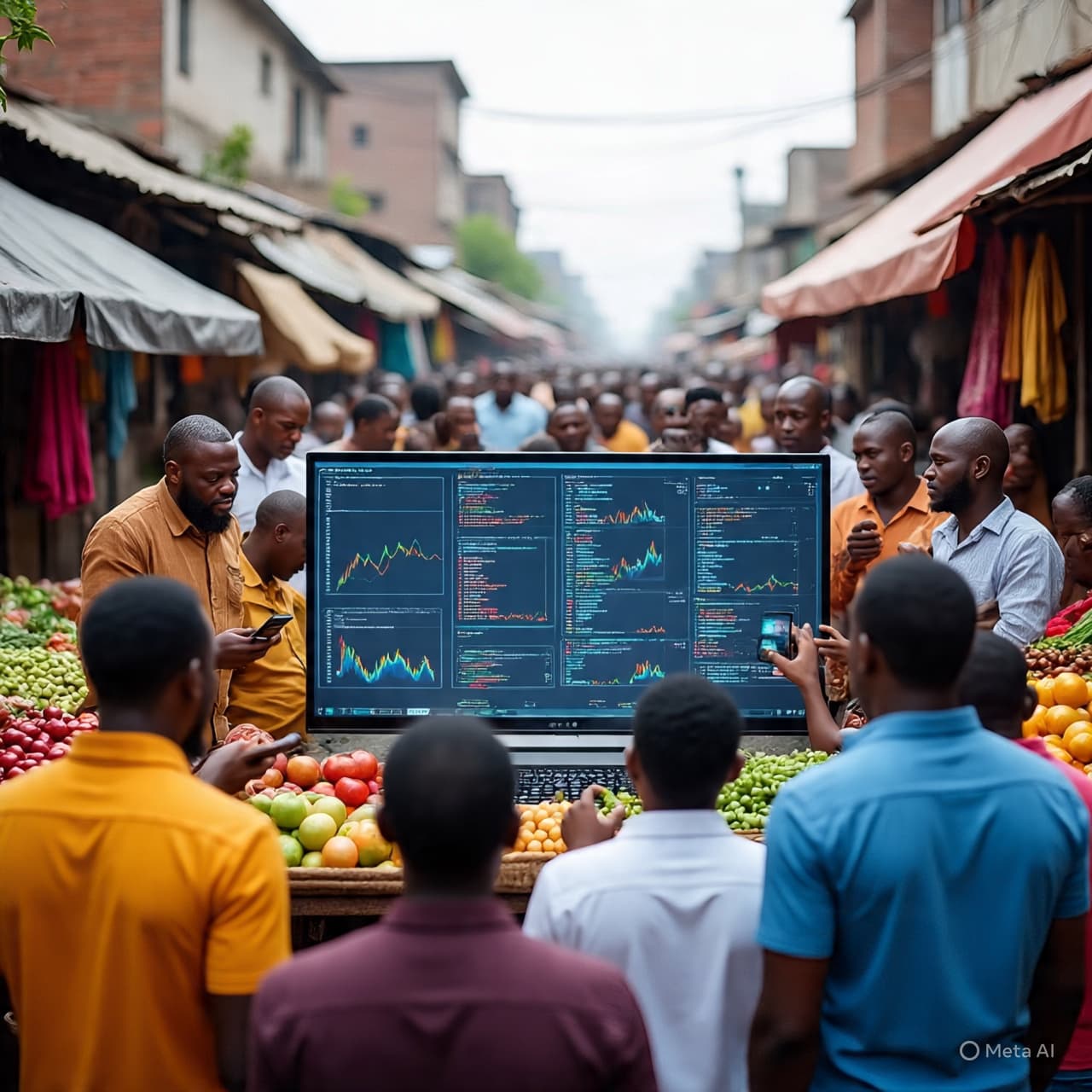
In the soft light of early financial dawn, a new mosaic of economic life begins to shimmer across the African continent. Much like dew on grass at sunrise, digital assets—once whispered about in tech circles—are becoming part of everyday commerce, finance, and the rhythm of human exchange. From the bustling streets of Lagos to the innovation hubs of Nairobi and the historic avenues of Cape Town, digital currencies and blockchain technology are no longer abstract ideas; they are the gentle pulse of new possibility.
Across Africa, millions find in stablecoins and cryptocurrencies not only technological innovation, but a quiet promise of stability in uncertain economic climates. In Nigeria, digital asset use has blossomed around practical needs: hedging against inflation, accessing U.S. dollar–linked value, and simplifying payments across borders. With figures showing Nigeria leading global stablecoin adoption and ranking near the top in overall digital asset usage, the nation’s embrace of digital currency reflects both grassroots innovation and growing institutional participation. This movement is rooted in a narrative of resilience—a people seeking tools to smooth the jagged edges of economic life.
Eastward, Kenya’s journey intertwines with its history of mobile money leadership. With a significant portion of its population interacting with blockchain-based assets, the country stands among the world’s top adopters, blending mobile platforms and digital finance into daily routines. Far from the distant world of high finance, these technologies are being woven into the fabric of everyday transactions, remittances, and small-business operations, extending financial inclusion across social and geographic boundaries.
In the south, South Africa’s comparatively mature financial ecosystem provides fertile ground for digital asset innovation. Regulatory clarity and institutional engagement have helped cultivate an environment where merchants and investors alike experiment with stablecoin settlement and blockchain services. The evolution here speaks to a broader trend: digital assets are not merely speculative tools but practical instruments that resonate with diverse economic actors.
Together, these three nations anchor a broader continental shift. Across sub-Saharan Africa, the use of digital assets is growing by volumes that echo a new economic cadence—one shaped by the aspiration for accessible finance, reduced transaction costs, and more open participation in the global economy. Yet, this transformation is not without its questions. Regulation, infrastructure, and consumer protection remain active themes in ongoing discussion among policymakers, innovators, and communities striving for inclusive growth.
As these narratives unfold, the continent’s digital finance story seems less a single chapter and more a tapestry woven from local ingenuity, collective need, and emerging global connectivity. In the gentle rise of these digital dawns, Africa’s economic landscape reveals not only technological adoption but a distinctive rhythm of transformation deeply rooted in everyday life.
In recent developments, industry observers note expanding blockchain infrastructure projects, new regulatory frameworks, and continued surge in retail digital asset transactions—underscoring that this is not a fleeting curiosity but a sustained and evolving movement across Africa’s financial horizon.
AI Image Disclaimer
Visuals are created with AI tools and are not real photographs.
Credible Sources Identified (Mainstream / Niche):
1. Dawan Africa News 2. TechAfrica News 3. Capital FM Kenya (Yellow Card stablecoin adoption) 4. IT-Online South Africa (digital asset adoption metrics) 5. Ecofin Agency (crypto transaction growth data)
Published by Banx Network. This article is part of the Banx decentralized media programme, powered by the BXE token on the XRP Ledger.



