
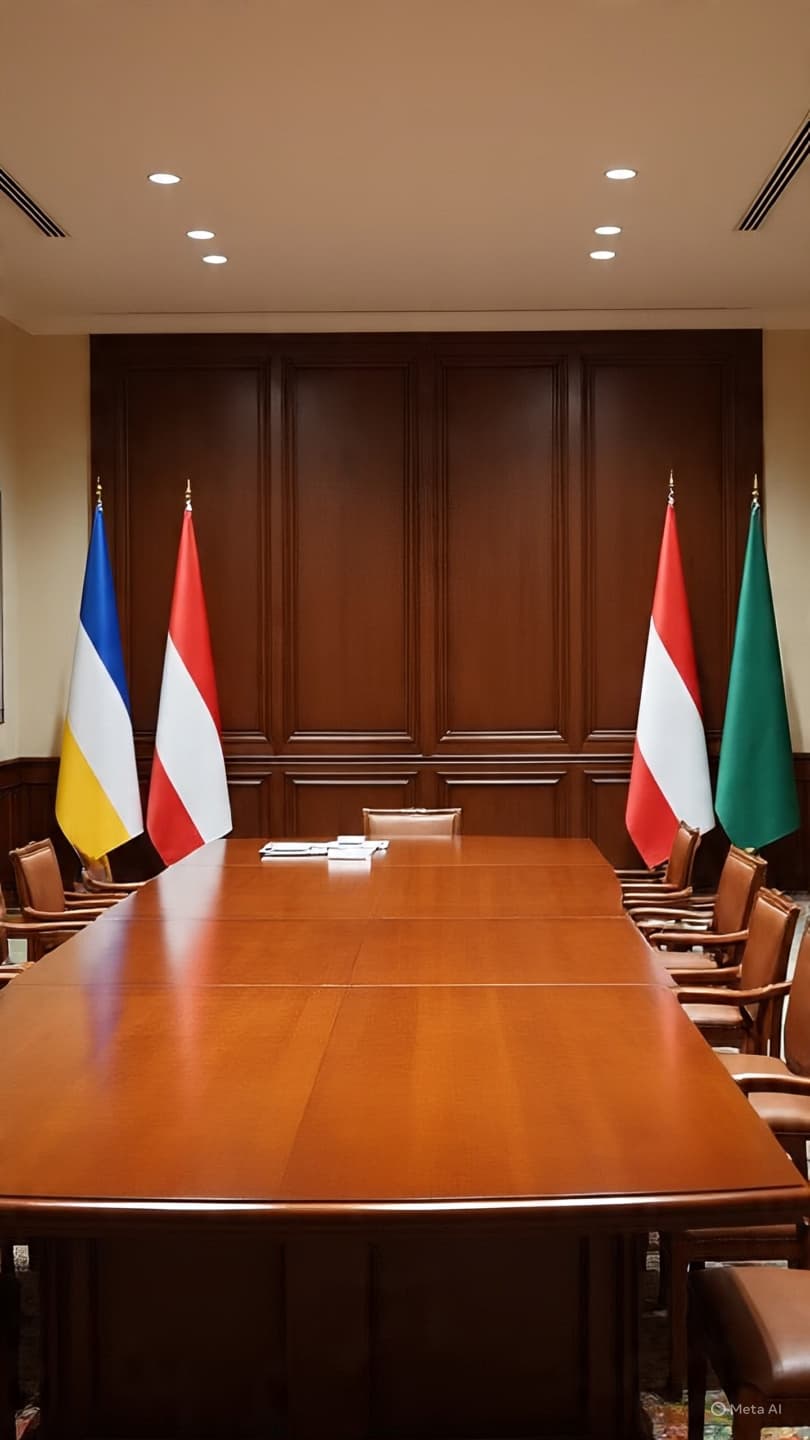
Key Highlights
- Ongoing Talks:Diplomatic discussions between the U.S. and Iran are taking place in Islamabad.
- Strait of Hormuz:The strait remains a critical point for global energy trade amid rising tensions.
- Neutral Ground:Pakistan serves as a neutral venue for these high-stakes conversations.
The evening in Islamabad unfolds like a slow curtain drawn across a stage, where the hills surrounding the city hold onto the last light longer than the streets below. Within this tranquil setting, significant diplomatic discussions between the United States and Iran are quietly progressing, shaping the geopolitical landscape without drawing much public attention. This backdrop of Islamabad has become a temporary convergence point for dialogue, distanced from the immediate confrontations that characterize the region.
As these talks continue, they are set against the backdrop of escalating tensions in the Strait of Hormuz, a vital maritime corridor for global energy trade. This narrow passage, bordered by Iran and Oman, serves as both a critical shipping lane and a geopolitical flashpoint. The ongoing discussions reflect a complex interplay of interests, where the stakes are high, and the potential for conflict looms large.
Statements exchanged between Washington and Tehran reveal competing narratives regarding recent events in the Strait of Hormuz. Each side interprets developments through its own security lens, leading to a cycle of claims and counterclaims that do little to alleviate the existing tensions. Instead, these narratives serve to outline the contours of disagreement, illustrating how the lack of consensus has become a structured part of the diplomatic exchange.
Inside the negotiating rooms in Islamabad, the atmosphere is markedly different. Delegates and intermediaries engage in discussions that prioritize continuity over finality, opting for language that allows for ambiguity rather than closure. The focus is less on reaching immediate agreements and more on ensuring that lines of communication remain open, even amidst significant disagreements.
Pakistan's geographical proximity to both the U.S. and Iran positions it as a neutral ground for these critical conversations. The capital city, while bustling with daily life—traffic flowing, markets operating—serves as a backdrop for high-stakes negotiations that could reshape regional dynamics. The city remains unchanged on the surface, yet within its secured spaces, the global stakes are being recalibrated.
Meanwhile, the Strait of Hormuz continues its routine, with tankers navigating its narrow waters, symbolizing the ongoing flow of energy trade. However, each passage is now viewed through the lens of heightened tension, as the geopolitical climate casts a shadow over what was once a straightforward transit.
The situation in Islamabad represents a layered moment in international relations, characterized by ongoing dialogue without clear resolutions. As night falls, the city dims into a quieter state, yet the formal conversations persist, shaped by careful phrasing that avoids sharp conclusions. No definitive agreements have emerged, nor have any significant breaks occurred in the dialogue. Instead, what remains is a careful continuation of discussions, suspended between urgency and hesitation.
In this delicate balance, the Strait of Hormuz remains open, the talks continue, and the distance between competing claims remains intact. It is not resolution that defines this moment, but rather the ongoing movement of negotiation, traversing borders, seas, and the silence that often accompanies such high-stakes diplomacy.
Published by Banx Network. This article is part of the Banx decentralized media programme, powered by the BXE token on the XRP Ledger.



