In South Asia, political change rarely moves in isolation. Like monsoon winds that sweep across borders without regard for lines on a map, a leadership shift in one capital often stirs conversations far beyond it. In , the ascent of marks not only a domestic transition but a moment that may subtly reshape regional currents.
Rahman’s rise follows a sweeping electoral victory for the , a party long defined by rivalry with the . For nearly two decades, Bangladesh’s political narrative was shaped by intense competition between these camps. Now, with a renewed mandate and leadership consolidation, the country enters a phase of recalibration.
For South Asia, the first question concerns balance. Bangladesh sits at a geographic and strategic crossroads—bordered by and , with deep economic ties to and longstanding relationships with Western partners. Rahman has signaled an intention to pursue pragmatic diplomacy, emphasizing sovereignty while maintaining economic partnerships. Observers in New Delhi are watching closely for continuity in trade, transit, and security cooperation, particularly regarding border management and regional connectivity projects.
At the same time, Beijing’s role in Bangladesh’s infrastructure development—ranging from ports to energy—remains significant. Whether Rahman recalibrates that engagement or sustains it within existing frameworks will influence broader regional alignments. In a period when South Asia is increasingly shaped by strategic competition between China and the West, Dhaka’s posture carries weight beyond its size.
Economically, Bangladesh has emerged as one of Asia’s fastest-growing manufacturing hubs, especially in ready-made garments. Rahman inherits both opportunity and pressure: a young workforce, expanding digital sectors, and the ongoing need to diversify exports and strengthen financial institutions. His campaign pledges have included governance reforms and institutional strengthening—commitments that international investors and development partners will assess carefully.
Beyond South Asia, Rahman’s leadership may affect Bangladesh’s role in multilateral forums, including the United Nations and regional blocs. Issues such as climate vulnerability, migration, and humanitarian policy—particularly concerning Rohingya refugees along the Myanmar border—require diplomatic steadiness. A new administration will be expected to maintain engagement while articulating its own priorities.
Domestically, Rahman’s return from long exile has symbolic resonance. As the son of former Prime Minister , he embodies continuity within Bangladesh’s dynastic political tradition. Yet he has also presented himself as a reform-minded figure seeking to reduce polarization. Whether that aspiration translates into broader political reconciliation remains an open question, but stability at home will shape credibility abroad.
For global partners, the message emerging from Dhaka appears measured. Rahman has indicated that Bangladesh will pursue balanced foreign relations, anchored in economic development and national interest. The tone so far suggests continuity in external engagement rather than abrupt realignment.
As Bangladesh turns this page, the implications for South Asia and the wider world will unfold gradually. Leadership transitions rarely redraw maps overnight. Instead, they adjust the rhythm of diplomacy, the emphasis of trade, and the language of partnership. In that quiet recalibration lies the true significance of Tarique Rahman’s moment: not a dramatic departure, but the careful shaping of a country’s place in a shifting world.
Authorities have confirmed Rahman’s electoral mandate and the formation of a new government. Regional governments and global partners are expected to engage through established diplomatic channels in the coming weeks.
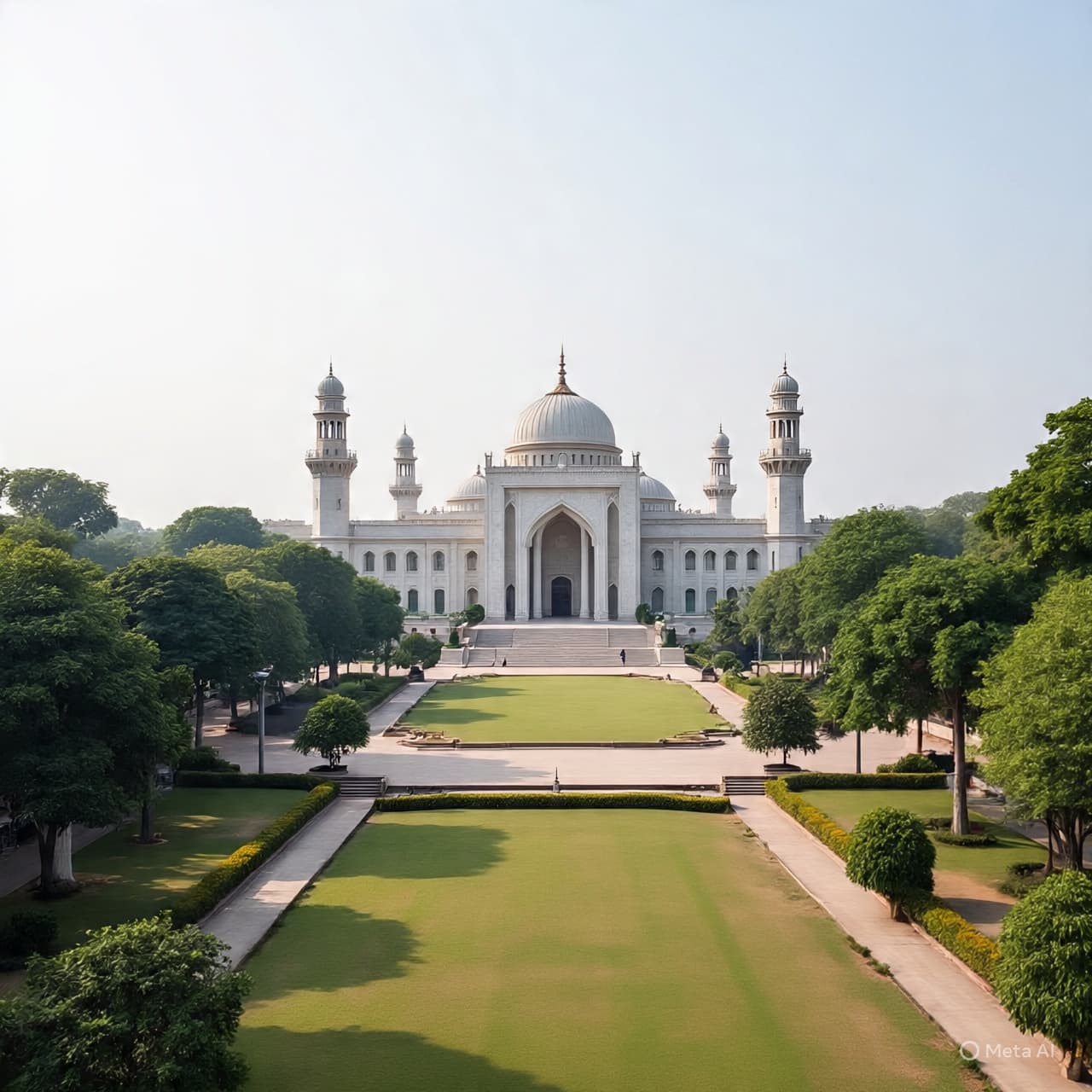
AI Image Disclaimer Illustrations were produced with AI and serve as conceptual depictions.
SOURCE CHECK
Credible mainstream and regional outlets covering this development include:
Reuters Financial Times Al Jazeera The Guardian Associated Press
Published by Banx Network. This article is part of the Banx decentralized media programme, powered by the BXE token on the XRP Ledger.