
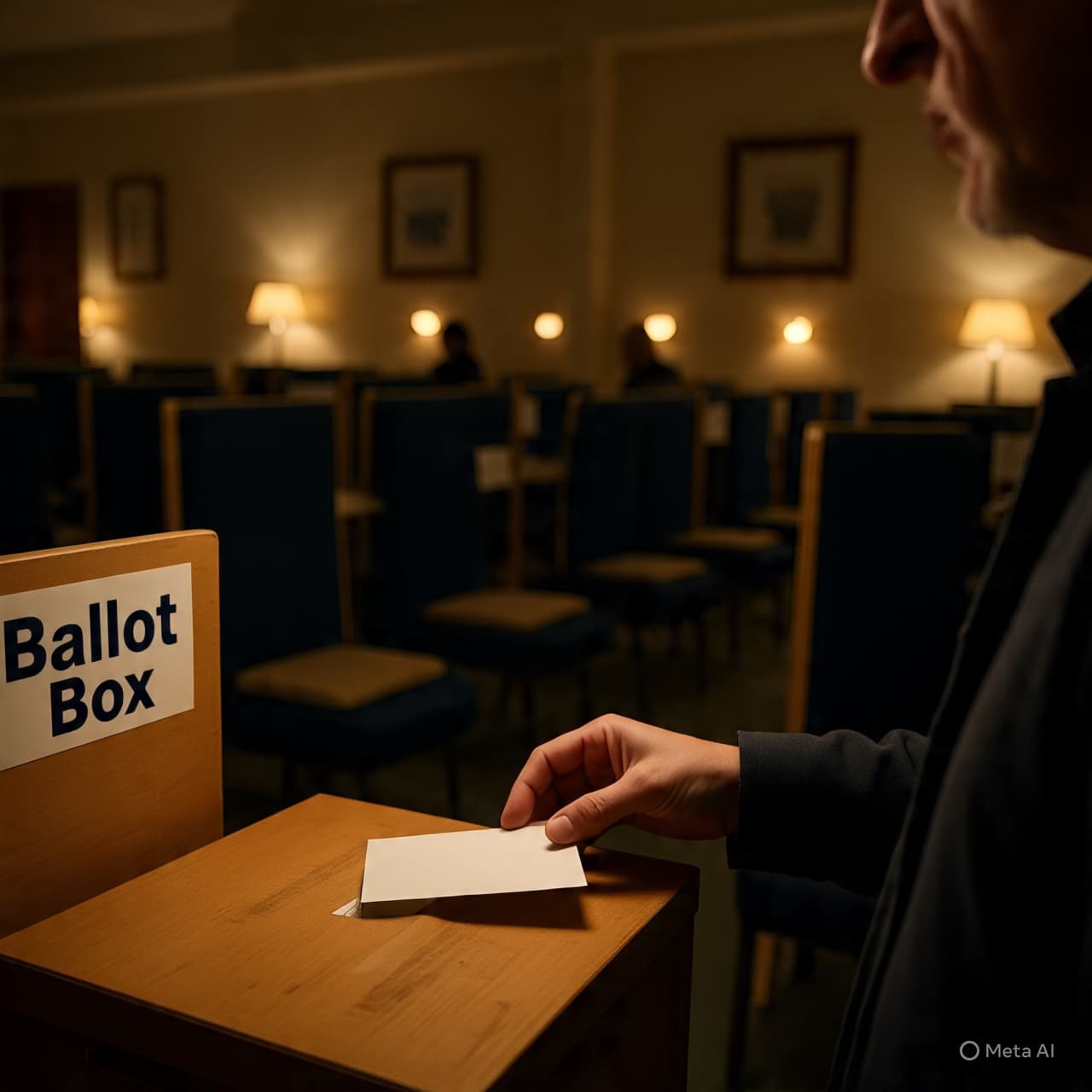
There is a special heaviness in the air when election observers publicly question the legitimacy of a vote. Because then the story is no longer about winners and losers — it becomes a story about the machinery itself. And in 2025, the machinery matters as much as the result.
African Union monitors have now said Tanzania’s recent vote violated democratic values. That’s a precise phrase — not a metaphor. Observers are supposed to be restrained. When they speak in that direction, it indicates structural concern: access, fairness, transparency, equal terrain for participation.
Elections are supposed to be the cleanest ritual of civic power redistribution. But in many places, the ritual has become contaminated by the incentives surrounding it. A ballot can be counted — and still feel illegitimate. And once legitimacy is questioned, governance becomes a negotiation rather than a handover.
This is the uncomfortable global truth emerging in the background: legitimacy today is not created by tally sheets — it is created by public belief in the integrity of those sheets. Without that belief, the result is a ceiling with cracks.
Tanzania’s vote is more than a domestic political event — it is a test case for how fragile electoral credibility has become worldwide. It will force debates on whether democratic architecture can still hold when institutions intended to guarantee fairness are themselves doubted.
AI image disclaimer AI-generated images are symbolic concept art and not actual news photography.
Published by Banx Network. This article is part of the Banx decentralized media programme, powered by the BXE token on the XRP Ledger.

.jpg&w=3840&q=75 "Zelensky Warns China Is Helping Russia Develop a Starlink Rival")