
Key Highlights
- Defense systems symbolize evolving alliances in the Middle East.
- Israel and UAE's cooperation reflects shared security concerns.
- Regional observers closely monitor defense technology transfers.
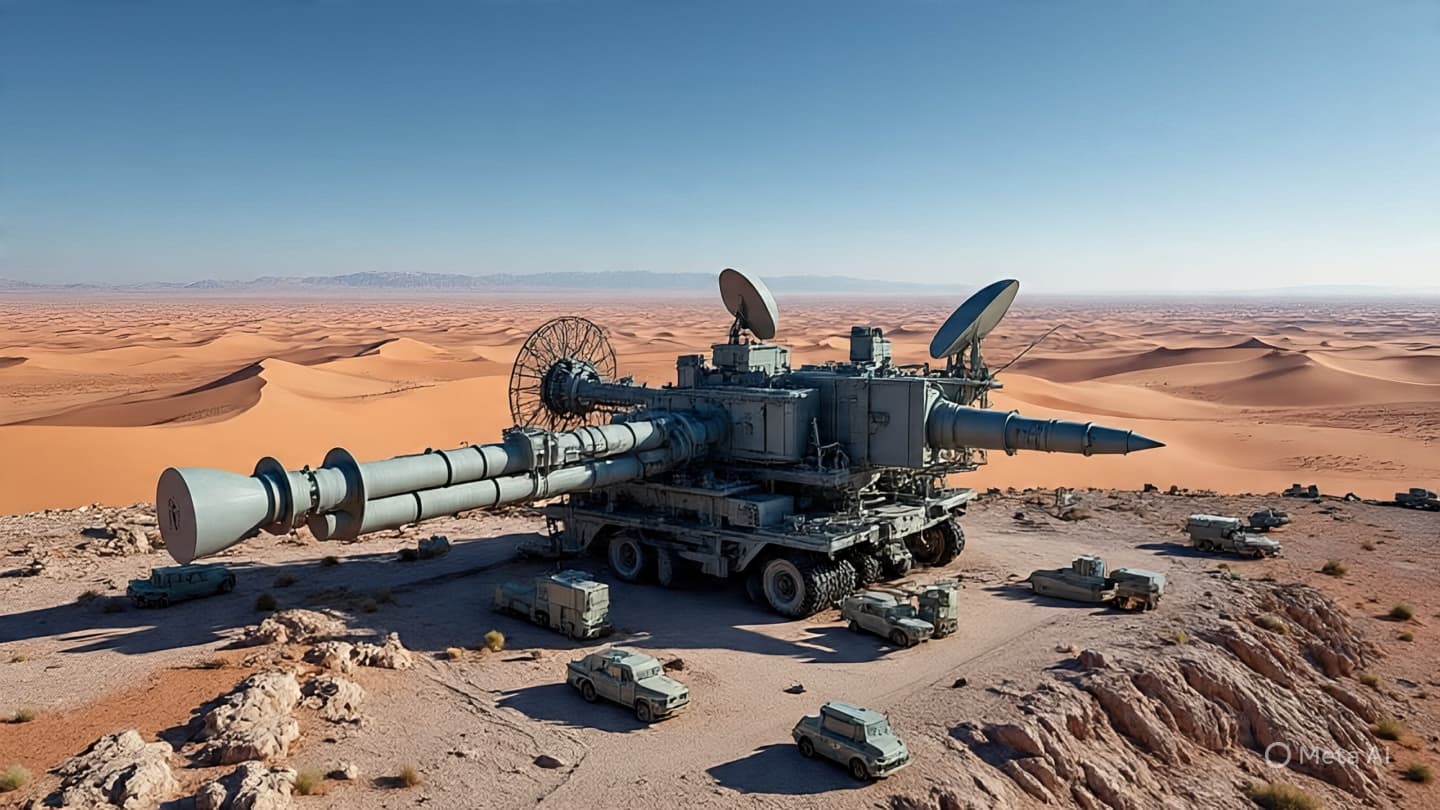
In regions shaped by shifting alliances, even a single transfer of technology can carry layers of meaning. Defense systems, designed for protection, often become symbols—quiet indicators of evolving relationships and shared concerns. Recent reports indicate that Israel has sent components related to its Iron Dome defense system to the United Arab Emirates (UAE). This development has drawn attention as a potential sign of deepening ties between the two countries.
The Iron Dome system, known for intercepting short-range threats, has become a notable part of Israel’s defense infrastructure. Its possible deployment or sharing with the UAE reflects a level of trust that extends beyond basic diplomatic engagement. The transfer of such advanced technology suggests a significant shift in the security landscape of the region, where both nations face common threats.
Relations between Israel and the UAE have evolved since the normalization agreements established in 2020. Cooperation has expanded into areas such as trade, technology, and security, suggesting a gradual broadening of partnership. Analysts note that this collaboration is not merely transactional; it is indicative of a strategic alignment driven by mutual interests in countering regional instability.
However, analysts caution that the presence of defense systems does not automatically indicate a formal alliance. Instead, it may represent practical cooperation driven by shared security concerns in the region. The Middle East continues to face complex challenges, including missile threats from adversarial states and ongoing regional rivalries. In this context, defensive capabilities are often viewed as stabilizing measures, even as they signal closer coordination between nations.
Regional observers also note that such developments are closely watched by neighboring countries. The movement of advanced systems can influence perceptions and strategic calculations across borders. For instance, the transfer of the Iron Dome could provoke reactions from nations that perceive it as a threat to their own security interests, potentially leading to an arms race or increased tensions.
At the same time, both Israel and the UAE have emphasized the importance of maintaining stability and fostering cooperation. Their engagement reflects a broader trend of pragmatic partnerships in a changing geopolitical environment. The normalization of relations has opened avenues for collaboration that were previously unthinkable, and defense technology sharing is a key component of this evolving relationship.
Whether seen as a symbolic gesture or a practical step, the reported transfer underscores the gradual reshaping of relationships in the Middle East, where collaboration increasingly intersects with caution. As nations navigate the complexities of regional security, the implications of such defense system transfers will continue to resonate across the geopolitical landscape.
Published by Banx Network. This article is part of the Banx decentralized media programme, powered by the BXE token on the XRP Ledger.



