
Key Highlights
- Proposed tourist tax sparks debate on accessibility and identity.
- Local businesses and residents weigh in on tourism's future.
- Galway exemplifies the global tension between openness and preservation.
The allure of travel has long been associated with freedom and discovery, a promise that seems increasingly complicated in today's world. As discussions around a proposed tourist tax gain traction, the implications extend beyond mere financial considerations, prompting a broader examination of what travel means in contemporary society.
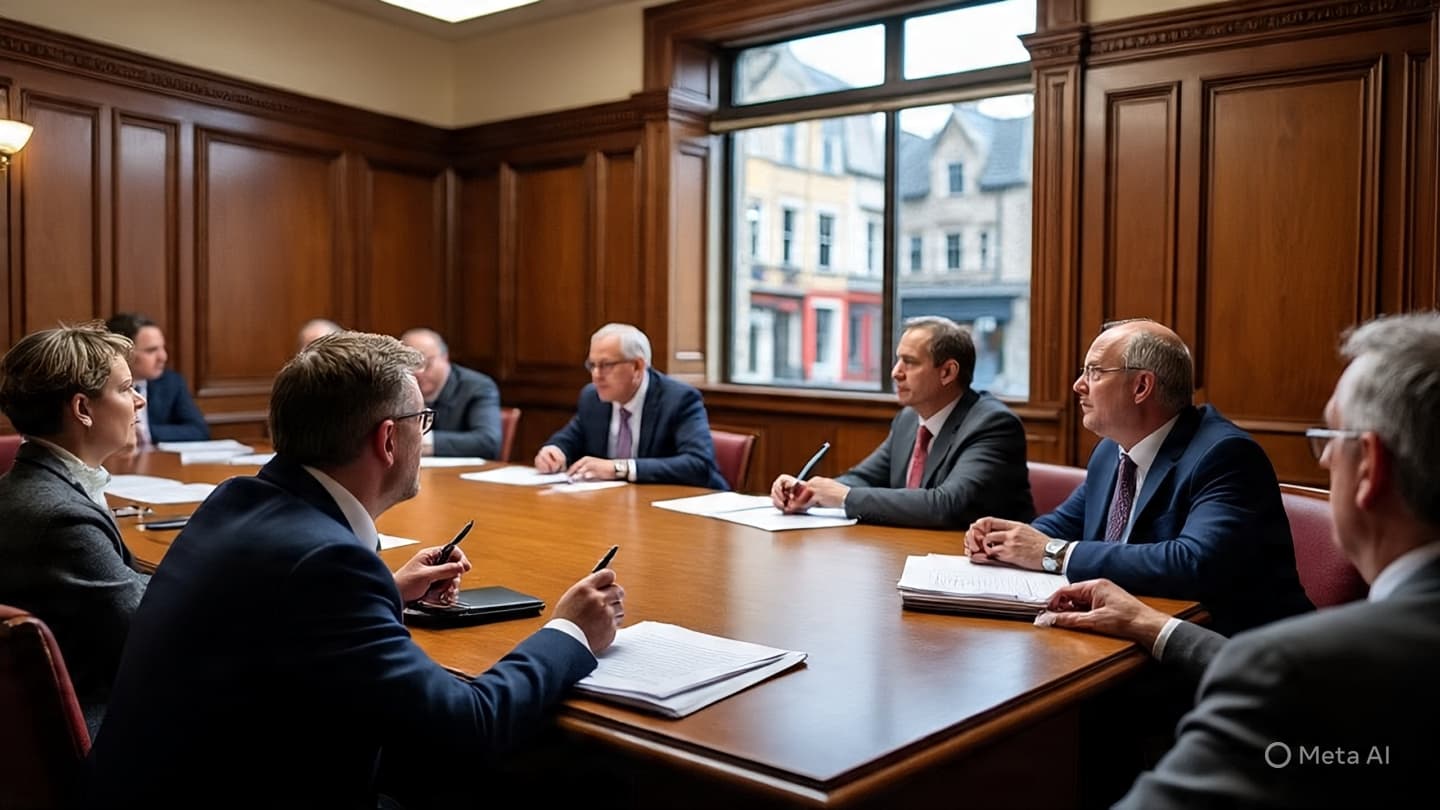
The proposed tax has ignited a lively debate among policymakers, local residents, and the tourism industry. Proponents argue that the tax represents a fair exchange for the upkeep of popular destinations, ensuring that the places travelers cherish remain vibrant and well-maintained. However, critics raise valid concerns about inclusivity, questioning whether such measures might inadvertently restrict access to those with limited financial means.
Cities like Galway are not isolated cases; they reflect a global trend where popular tourist spots grapple with the dual pressures of welcoming visitors and preserving their unique identities. The conversation surrounding the tourist tax is not merely about economics; it touches on deeper issues of community, identity, and the evolving nature of travel itself. For many residents, the question is personal: how do we balance the benefits of tourism with the need to maintain the character and accessibility of our home?
Local businesses are particularly attuned to these discussions, recognizing that even minor policy changes can have significant ripple effects throughout the economy. The tourism sector is a vital lifeline for many, and the choices made by visitors can shape the local landscape in profound ways. As such, the ongoing debate is not just an abstract policy discussion; it is a matter of survival for many small enterprises that rely on tourist foot traffic.
As the dialogue continues, it becomes clear that the resolution will not come from a single decision but rather from a series of adjustments that seek to find a balance between opportunity and responsibility. The challenge lies in crafting policies that not only protect local interests but also ensure that travel remains an accessible and enriching experience for all.
For now, Galway's streets remain open and inviting, a testament to the city's enduring charm. Yet beneath this surface lies a thoughtful pause, a moment of reflection on what it truly means to share a space with others and how that sharing can be sustained over time. The future of tourism in Galway and similar destinations will depend on the collective willingness to engage in these critical conversations and to navigate the complexities of modern travel together.
Published by Banx Network. This article is part of the Banx decentralized media programme, powered by the BXE token on the XRP Ledger.



